

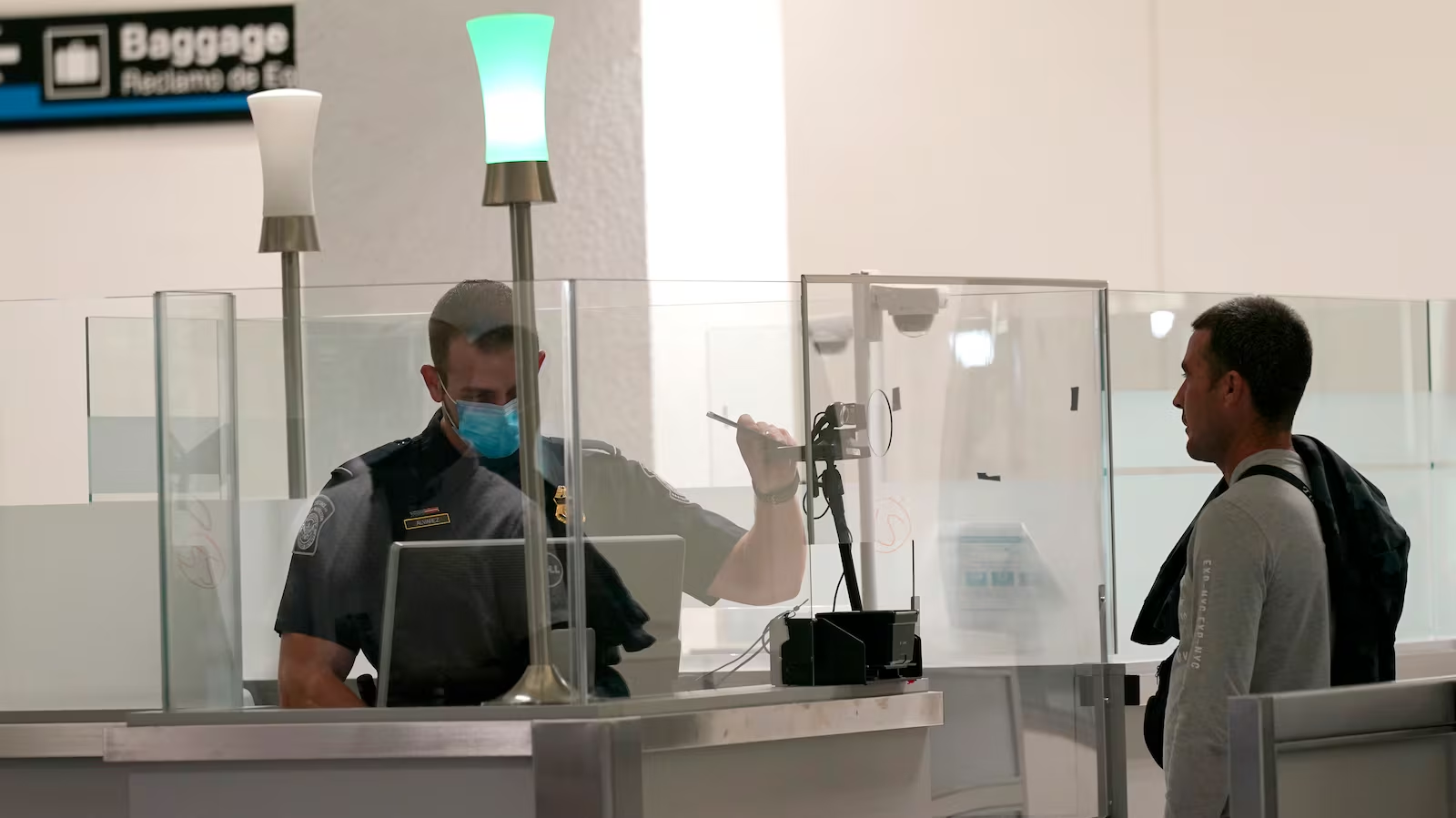
Searches of phones, laptops, and other electronic devices at U.S. border crossings are on the rise, with new data showing non-U.S. citizens make up the vast majority of those targeted.
Between April and July 2025, U.S. Customs and Border Protection (CBP) officers conducted 14,899 electronic device searches, including 1,075 “advanced” inspections using specialized equipment. That figure is the highest quarterly total since records began in 2018, and nearly double the 8,000 searches reported in the same period that year.
While CBP stresses the practice remains “rare,” affecting just 0.01 per cent of the more than 400 million passengers entering the U.S. last fiscal year, non-U.S. citizens accounted for about 78 per cent of all device searches. Officers can carry out basic manual checks, or more invasive advanced searches if they suspect a law violation or national security risk.
Travellers are legally required to present devices in a condition that allows examination, though refusing to provide a passcode does not automatically bar entry. However, devices may be seized, and refusal can weigh into admissibility decisions.
The growing use of device searches has raised concerns among international visitors, particularly after Canada updated its U.S. travel advisory in April warning that travellers should expect scrutiny of electronic devices. Recent cases, including that of a French scientist denied entry after messages critical of U.S. policy were discovered on his phone, have fueled fears that searches may extend beyond security into political grounds.
CBP maintains the searches help combat terrorism, child exploitation, trafficking, and smuggling, and insists they are carried out “judiciously and responsibly.”