

OTTAWA – A growing debate is emerging over Canada’s latest immigration and border legislation, with refugee advocates warning that new eligibility restrictions could place vulnerable LGBTQ+ individuals at risk of being returned to countries where they may face persecution, discrimination, or even imprisonment.
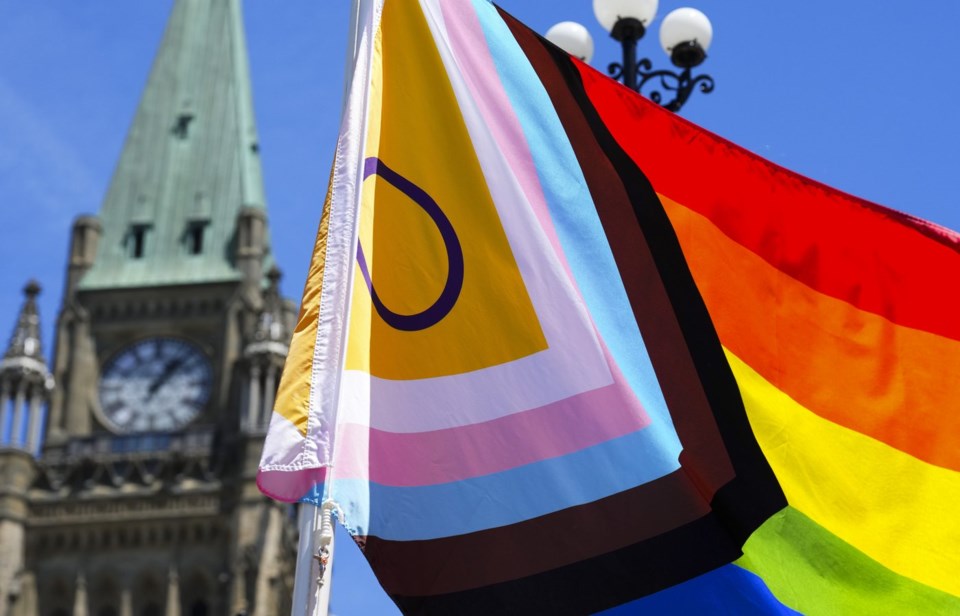
The concerns come at a time when Canada continues to publicly celebrate diversity and inclusion, highlighted this week by the raising of the Pride flag on Parliament Hill by Prime Minister Mark Carney alongside parliamentarians from various political parties. However, organizations working directly with LGBTQ+ refugees argue that recent policy changes send a conflicting message to those seeking protection.
At the centre of the controversy is a new provision requiring refugee claimants to submit their asylum applications within one year of their first arrival in Canada. Advocates contend that the rule fails to recognize the complex realities faced by many LGBTQ+ individuals, whose circumstances may change significantly after arriving in the country.
Rainbow Railroad, an organization that assists LGBTQ+ individuals fleeing persecution around the world, has expressed serious concerns about the impact of the legislation. Representatives of the organization argue that many people do not immediately seek refugee status because they may still be coming to terms with their identity, fear exposure, or only become vulnerable after events unfold in their home countries.
One case drawing attention involves a former international student from the Middle East who lived openly as a gay man during his time in Canada. After returning to his home country, photographs and social media content connected to his participation in LGBTQ+ activities in Canada reportedly became known to individuals in his community. According to the claimant, he subsequently faced threats, intimidation, and fears of being reported to authorities because of his sexual orientation.
Believing his safety was in jeopardy, he returned to Canada and sought refugee protection. However, because he had originally arrived in Canada several years earlier as a student, his refugee application is now considered potentially ineligible under the new legislation.
The claimant says the consequences of being returned to his country could be devastating. In addition to possible legal penalties under laws targeting LGBTQ+ individuals, he fears social exclusion, loss of employment opportunities, and severe repercussions for his family. He describes living in constant fear and believes returning home would place both his freedom and future at risk.
Legal experts representing affected claimants argue that the one-year deadline does not adequately account for the many ways risk can develop over time. Some individuals may not fully understand or openly express their sexual orientation until after arriving in Canada, while others may only become targets once family members or authorities in their home countries become aware of their identity.
Immigration lawyers have launched constitutional challenges against the new provisions, arguing that affected individuals deserve a full and fair hearing before decisions are made about their future. They contend that alternative review processes available under the law may not provide the same level of protection as a formal refugee hearing.
The federal government has defended the legislation, stating that the changes are intended to strengthen the integrity of Canada’s asylum system and address situations where individuals seek refugee status only after temporary visas expire. Officials maintain that people who face genuine risks can still seek protection through other immigration mechanisms.
The debate arrives as Canada faces increasing pressure on its refugee and immigration systems. Government data indicates that a significant percentage of asylum claims could be deemed ineligible under the new one-year rule, affecting thousands of applicants across the country.
Meanwhile, advocacy organizations report a sharp increase in requests for assistance from LGBTQ+ individuals worldwide. Rainbow Railroad says demand for its services reached record levels in 2025 and continues to grow, reflecting worsening conditions for LGBTQ+ communities in many parts of the world.
For those caught in the uncertainty of the new rules, the outcome may ultimately depend on upcoming court decisions that are expected to examine whether the legislation complies with constitutional protections and Canada’s international commitments to refugees. Until then, many claimants remain in limbo, waiting to learn whether they will be allowed to stay in Canada or face the possibility of being returned to countries where they fear persecution and harm.