

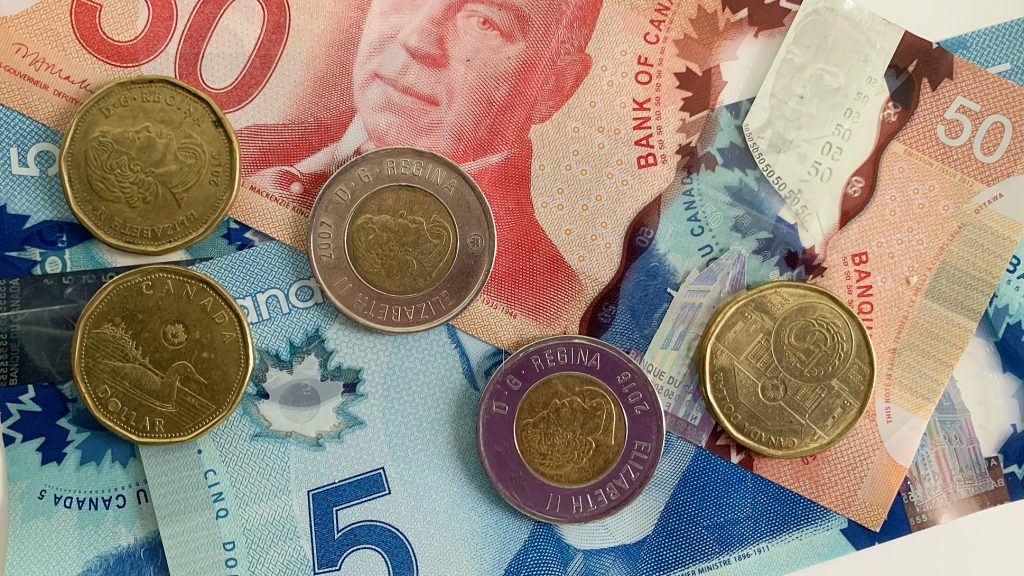
After a year shaped by tariff threats, market volatility, and uneven growth, most readers believe Canada’s economic outlook will deteriorate in 2026, according to a recent INsauga.com poll.
Canada experienced significant economic shifts in 2025, beginning with renewed trade uncertainty after U.S. President Donald Trump took office and raised the possibility of imposing a 25 per cent tariff on Canadian imports.
In March, Mark Carney became Canada’s 24th prime minister, pledging to confront the tariff threats and protect Canada’s economic interests. At the same time, the Canada–United States–Mexico Agreement (CUSMA) is scheduled for a formal review. CIBC senior economist Katherine Judge told The Canadian Press she does not believe the U.S. president will withdraw from the trade deal.
Domestically, the real estate market remained sluggish throughout 2025, and economists do not expect a strong rebound in early 2026. While sales volumes may rise modestly, prices are expected to continue declining in many regions.
Retailers also faced a difficult year, with several major chains — including Hudson’s Bay Company — closing stores or scaling back operations.
Despite higher prices for many goods, Canada saw job gains and some economic growth toward the end of 2025. The Canadian dollar remained weak, but the S&P/TSX Composite Index reached record highs. Macan Nia, co-chief investment strategist at Manulife Investments, said he does not expect the same level of market returns in 2026 but believes there is still room for growth.
To gauge public sentiment, INsauga.com asked readers whether they expect Canada’s economy to be better or worse in 2026. A total of 5,326 votes were cast.
As of Dec. 31, 73 per cent of respondents — 3,843 people — said they expect the economy to worsen in 2026. The remaining 27 per cent, or 1,416 respondents, said they believe economic conditions will improve.
Economic forecasts suggest continued challenges. The Business Development Bank of Canada expects another difficult year for many Canadian businesses, citing ongoing cost pressures. The bank also projects a weak Canadian dollar but continued wage growth.
Meanwhile, RBC forecasts Ontario’s gross domestic product growth at 1.2 per cent in 2025 and 1.1 per cent in 2026. TD Canada Trust predicts national economic growth will remain below trend through 2026, pointing to slower population growth and the impact of tariffs on export demand, business investment, and consumer confidence.
As Canada moves further into 2026, economists and policymakers alike will be watching closely to see whether growth stabilizes — or if the pessimism expressed by many readers proves justified.