

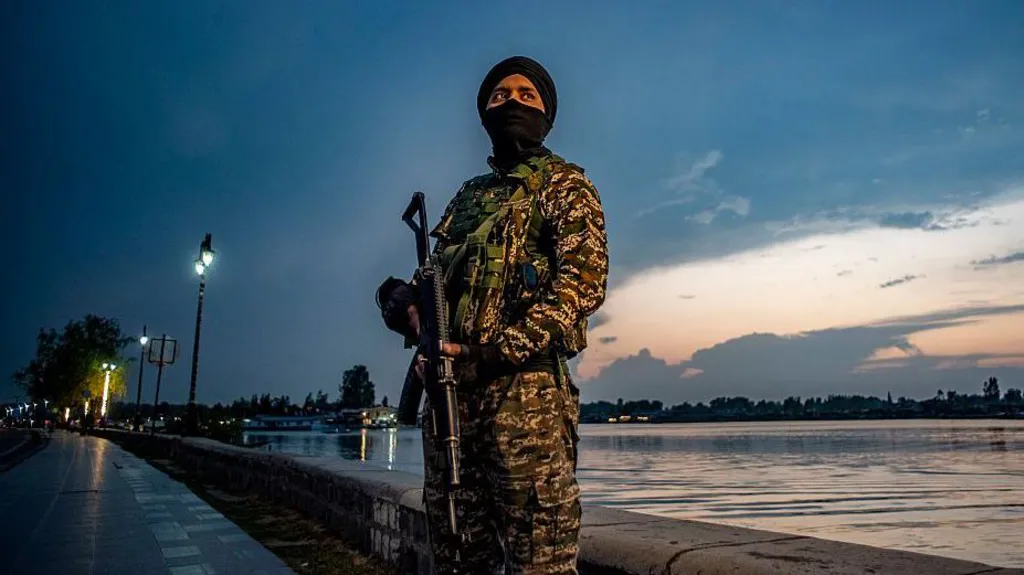
Prime Minister Narendra Modi addressed the nation on Monday evening, breaking his silence for the first time since hostilities erupted between India and Pakistan last week. In his televised remarks, Modi warned that India would deliver a strong response to any future terrorist attacks, following four days of cross-border military exchanges that brought the two nuclear-armed nations to the brink of war.
“This is not an era of war, but this is also not an era of terror,” Modi said, referencing the deadly attack in Indian-administered Kashmir that killed 26 civilians last month. India has blamed a Pakistan-based militant group for the attack, an allegation Islamabad has firmly denied.
While both countries have agreed to a ceasefire—brokered by U.S. President Donald Trump over the weekend—they remain on high alert. Modi emphasized that the truce must not be mistaken for weakness, stating, “If another terrorist attack against India is carried out, a strong response will be given.”
His remarks underscored India’s hardline stance, dismissing the idea of resuming peace talks while terrorism persists. “Terror and trade talks cannot happen together,” he said, echoing Trump’s reported position that U.S. trade with either country would hinge on maintaining peace. Modi also referenced the suspension of a key water treaty between the two nations, adding, “Water and blood cannot flow together.”
The escalation began after India claimed it struck nine militant training camps inside Pakistan and Pakistan-administered Kashmir in retaliation for the Pahalgam attack. In turn, Pakistan launched its own strikes, reportedly targeting 26 Indian military sites and flying drones near Delhi. Both sides reported the downing of enemy aircraft and drones, though claims about casualties and damage remain disputed.
India reported hitting 11 Pakistani Air Force bases, including one near Islamabad, and claimed that it killed over 100 militants. Pakistan has acknowledged that some Indian projectiles landed at its military facilities but rejected India’s casualty figures. Pakistan also claimed to have shot down five Indian aircraft, including three Rafales—an assertion India has not confirmed.
Amid the rising tensions, both nations had initially declared military victories as the ceasefire came into effect on Saturday. Trump said it was time to end hostilities before they led to widespread destruction and loss of life.
On Monday, top military officials from both countries met to solidify the ceasefire, agreeing to take immediate measures to reduce troops along the border and avoid further provocation. India also announced it was reopening 32 civilian airports that had been closed due to security threats.
Pakistan’s Prime Minister Shehbaz Sharif, speaking over the weekend, called his country’s actions responsible and emphasized that issues such as the water treaty should be resolved peacefully. “Our honour, our dignity, and our self-respect are more precious to us than our lives,” he said.
The recent clash marks yet another chapter in the long and volatile relationship between India and Pakistan, who have fought multiple wars and endured decades of distrust over the disputed region of Kashmir.