

Mississauga is preparing for a major shift in municipal operations as it takes on new responsibilities for essential services previously managed by the Region of Peel. While not the full political independence the city has sought for decades, the changes represent a significant step towards greater municipal autonomy.
Under the Peel Transition Implementation Act, set to be approved soon, the provincial government announced that several regional public works services will transition to Mississauga, Brampton, and Caledon by July 1, 2026. This plan aims to streamline operations, improve service delivery, and support housing development across the three municipalities.
New Responsibilities for Mississauga
Starting in mid-2026, Mississauga will assume control of:
- Solid Waste Collection: This includes managing the two Community Recycling Centres (Battleford and Fewster CRCs).
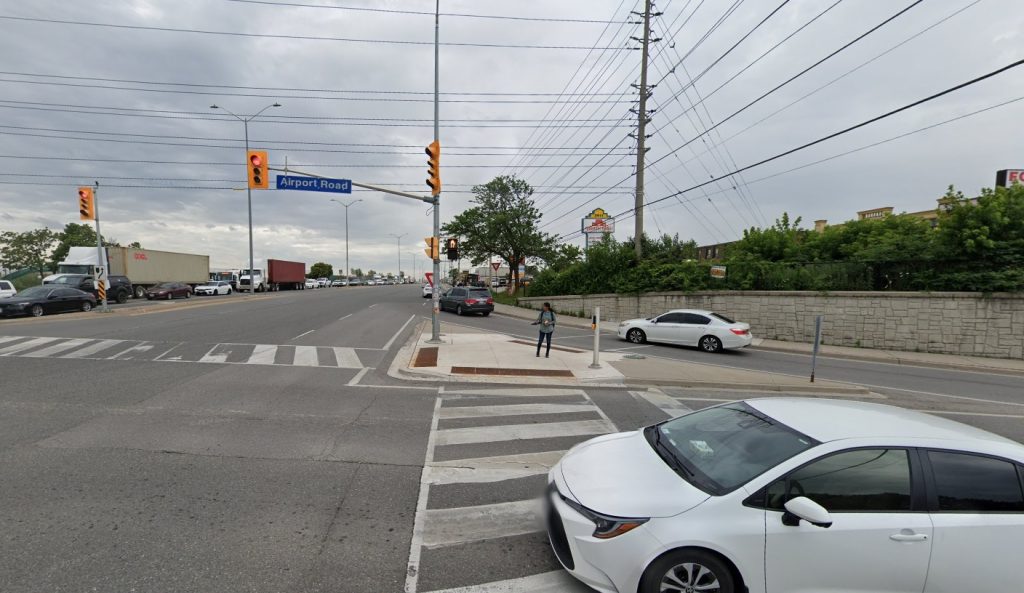
- Regional Roads and Stormwater Infrastructure: Roads such as Airport Road, Derry Road, Dixie Road, Erin Mills Parkway, Britannia Road, and Winston Churchill Boulevard will now fall under city jurisdiction.
With these changes, Mississauga will maintain all roads within its boundaries, simplifying maintenance and creating clarity for residents.
A Step Forward for Local Governance
City Manager Geoff Wright described the transition as a positive move for Mississauga, enabling the city to meet the needs of its rapidly growing population.
“These changes are significant for Mississauga, enabling us to better serve our growing population through increased control over essential services,” Wright said. “Our commitment is to maintain high-quality services for both residents and businesses while limiting disruptions during the transition.”
Mayor Carolyn Parrish echoed this sentiment, stating that the city is ready to embrace the responsibilities.
“The transfer of these essential services to the municipal level is a significant step forward for Mississauga,” Parrish said. “As a city, we can now manage these services alongside other areas of our business, streamlining operations. While I welcome these new services, there is still a lot of discussion to take place regarding the operational and budgetary aspects.”
Streamlining Operations and Saving Taxpayer Dollars
City officials noted that Mississauga already maintains 5,700 kilometres of roads, a number set to grow significantly in 2026. By consolidating road maintenance under one jurisdiction, the city aims to improve efficiency and reduce costs for taxpayers.
Additionally, Mississauga’s oversight of land-use planning, a responsibility transferred from the region this past July, will enable the city to better align development with local needs.
“This change creates clarity for residents and streamlines the maintenance of roadways, saving taxpayers money,” the city said in a statement.
A Partial Victory for Mississauga
While the new plan grants Mississauga greater autonomy, it falls short of the complete political independence the city has long pursued. In mid-2023, Ontario Premier Doug Ford announced plans to dissolve Peel Region entirely, granting full independence to Mississauga, Brampton, and Caledon by January 1, 2025. However, the province reversed course a year later, scaling back the ambitious plan.
Though Mississauga officials view the current changes as a step forward, they acknowledge that significant work remains to ensure a smooth transition of services. Key services like policing, public health, and paramedics will continue to be managed regionally by Peel.
Looking Ahead
With the new responsibilities, Mississauga is poised to better manage its growth and development while continuing to advocate for the city’s long-term independence.
“This is a significant move for our city,” said Mayor Parrish. “We’re ready to take on these responsibilities and build a stronger, more efficient Mississauga for our residents.”