

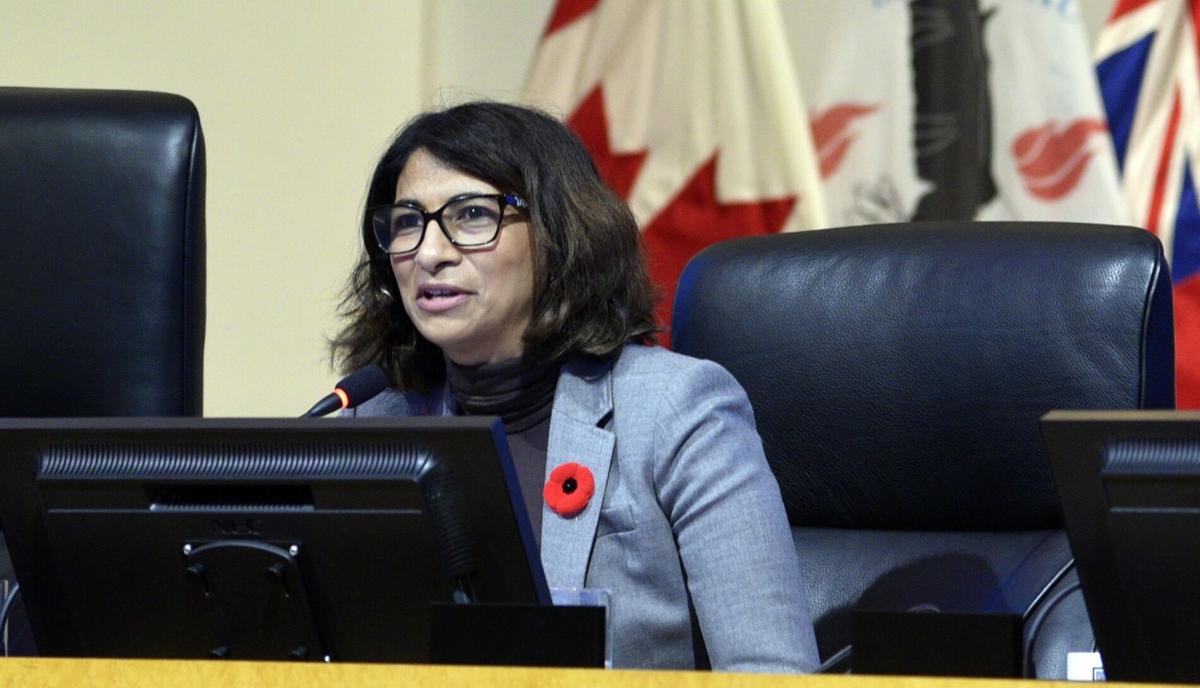
A debate over accountability and public spending is set to unfold at Peel Regional Council this week as Dipika Damerla calls for an independent audit of the Peel Regional Police.
The motion, scheduled for April 23, asks the Peel Police Service Board to voluntarily request a value-for-money audit from Peel Region’s newly appointed auditor general. The proposal targets the police service’s $837-million operating budget for 2026, currently the largest single expense in the region.
Damerla says the request comes at a crucial time, as the auditor general is preparing a two-year work plan. According to her, if the opportunity is missed now, residents may have to wait years before such a review can be considered again.
She argues the audit would benefit taxpayers regardless of the outcome. If the review confirms funds are being spent effectively, public confidence would increase. If inefficiencies are uncovered, potential savings could be redirected toward frontline policing or tax relief.
Using a modest example, Damerla said that even a two per cent efficiency finding could free up approximately $16 million for better public use.
The motion also urges the Province of Ontario to amend the Municipal Act, 2001, so municipal auditors general would have permanent authority to conduct value-for-money audits of police services. Under current rules, police boards are generally exempt and can only agree voluntarily to such reviews.
Supporters of the proposal note that similar voluntary audits have taken place in other cities, including Toronto and Ottawa.
Damerla also pointed to a previous audit of the Ontario Provincial Police by the Office of the Auditor General of Ontario, which found some frontline vehicles were underused and did not meet recommended annual mileage targets.
The proposal arrives amid increasing public concern over both crime and affordability. Damerla says many residents tell her they want strong policing but also want assurance that every tax dollar is being spent wisely.
The upcoming council discussion is expected to draw attention across both Mississauga and Brampton, where taxpayers continue to balance demands for safer communities with rising living costs.