

A deepening crisis in the Middle East is sending shockwaves through global aviation, with Indian airlines emerging as the hardest hit after Dubai imposed strict limits on foreign carriers. The temporary restrictions, driven by regional instability linked to tensions involving Iran, are expected to remain in place until the end of May—raising serious concerns about revenue losses and operational disruptions.
Under the new rules, flights into Dubai International Airport—one of the world’s busiest travel hubs—have been capped at just one round trip per day for foreign airlines. While framed as a capacity and safety measure, the policy has sparked frustration among international carriers, particularly those from India, which rely heavily on Dubai as a key transit and destination market.
Indian airlines such as Air India, IndiGo, and SpiceJet had scheduled hundreds of flights during the affected period, reflecting the strong demand between the two regions. With the new cap drastically reducing their operations, much of that capacity now sits idle—translating into significant financial strain for carriers already grappling with rising fuel costs and longer flight routes.
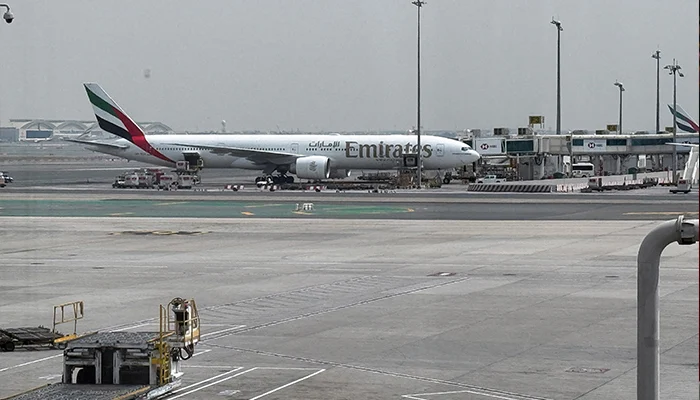
Industry groups have raised concerns about fairness, pointing out that Dubai-based airlines like Emirates and flydubai appear less affected by the restrictions. This has prompted calls for reciprocal action, as stakeholders warn of an uneven playing field that could further disadvantage foreign carriers in an already competitive market.
The timing could not be more challenging. India was Dubai’s largest passenger source last year, with millions travelling between the two regions for business, tourism, and family connections. The sudden tightening of flight access disrupts not only airline schedules but also the broader travel ecosystem that supports trade and mobility.
Beyond India, the ripple effects are being felt globally. Several international airlines have already suspended flights to Dubai altogether, redirecting capacity to other routes to meet strong demand elsewhere. The situation highlights how quickly geopolitical tensions can reshape global travel patterns, forcing airlines to adapt in real time.
For passengers and businesses alike, the uncertainty adds another layer of complexity to international travel planning. As negotiations and conditions evolve, the aviation industry will be closely watching for any signs of easing restrictions.
For now, the skies over one of the world’s busiest corridors remain constrained—a stark reminder that global connectivity is often at the mercy of geopolitical realities.