

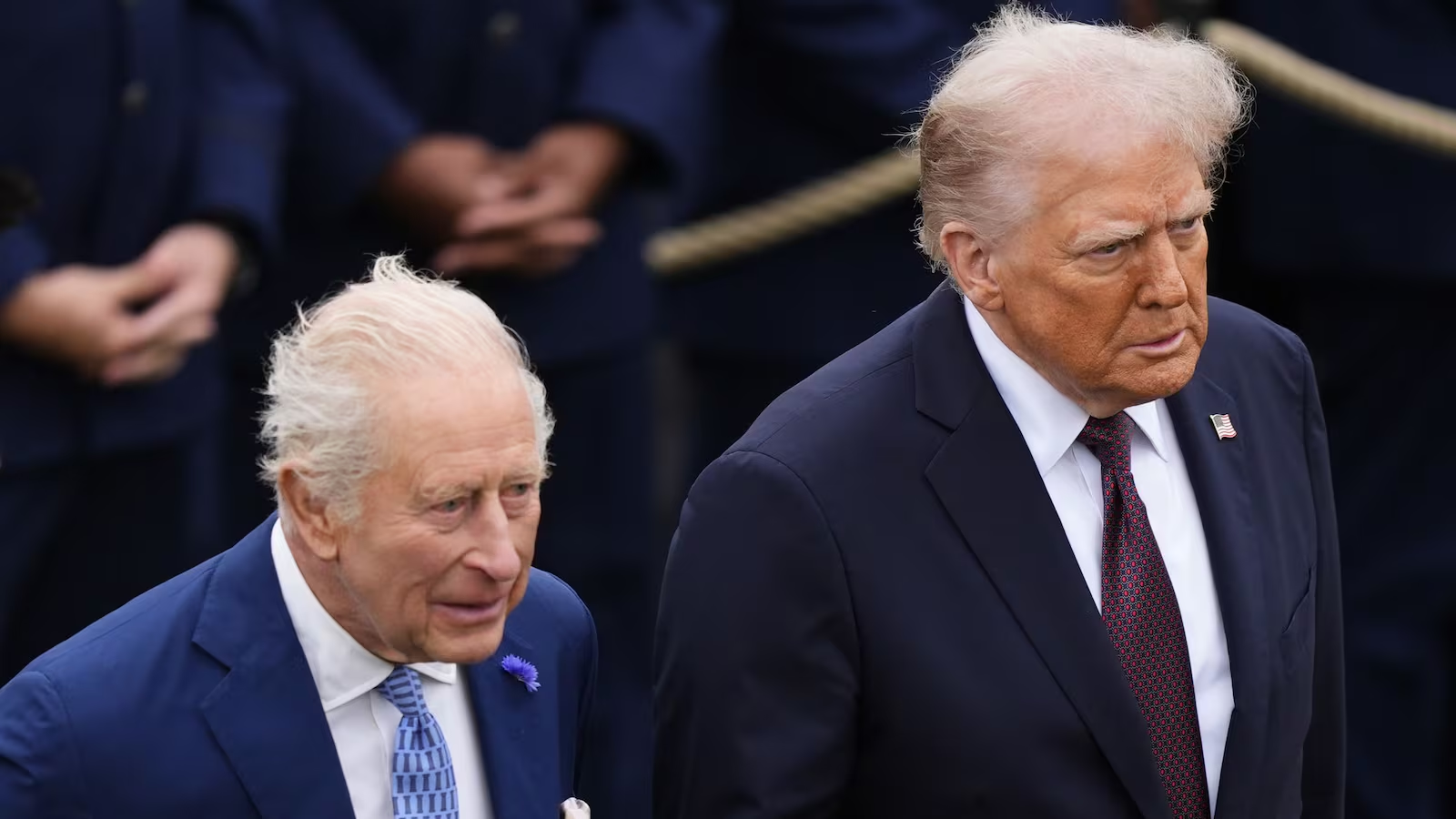
A possible visit by King Charles III to the United States is being reconsidered after sharp criticism from Donald Trump toward the British government over its stance on the war with Iran.
The tensions come after Keir Starmer declined to fully support the U.S.-led military campaign against Iran.
Dispute over military support
The conflict escalated when Britain refused a U.S. request to use its military bases to support offensive operations in the war. Starmer reportedly believed such involvement could violate international law.
Britain later helped defend against Iranian retaliation after British military assets in the Middle East were targeted, but London has avoided joining offensive military action.
Trump has repeatedly criticized Britain’s position. In recent remarks, he said Starmer was “not Winston Churchill” and suggested the United Kingdom was no longer “the Rolls-Royce of allies.”
The U.S. president also criticized Britain’s reluctance to send naval assets to help secure the Strait of Hormuz, a crucial global energy corridor that Iran has disrupted during the conflict.
King’s visit now uncertain
Amid the escalating rhetoric, some British lawmakers have begun questioning whether a planned visit by King Charles to Washington should proceed.
The visit, which has not yet been formally confirmed, had been expected in April to mark the 250th anniversary of American independence.
Emily Thornberry warned that the government must carefully consider whether the trip should go ahead.
“The last thing we want is for His Majesty to be embarrassed,” she said in media interviews, suggesting the visit might be postponed.
Britain’s strategy under pressure
British officials had previously tried to maintain a smooth relationship with Trump during his second term, including inviting him to an unprecedented second state visit to the United Kingdom.
Diplomats hoped the approach could secure benefits such as reduced tariffs and continued U.S. support for Ukraine.
However, the recent dispute highlights the challenges of managing relations with the unpredictable U.S. president.
Despite the tensions, Trump said this week he still expects to host the British monarch in Washington “very shortly.”
British officials have declined to confirm whether the trip will proceed as planned.
Political reactions in Britain
The dispute has also shifted political reactions within the United Kingdom.
Nigel Farage initially supported joining the U.S.-Israeli offensive against Iran but later said Britain should avoid becoming involved in another foreign war.
Meanwhile, Kemi Badenoch defended Starmer from Trump’s criticism, calling the public exchange between the two leaders “childish” and “unseemly.”
For now, Britain faces a difficult diplomatic balance: maintaining its historic alliance with Washington while avoiding deeper involvement in the escalating Middle East conflict.