

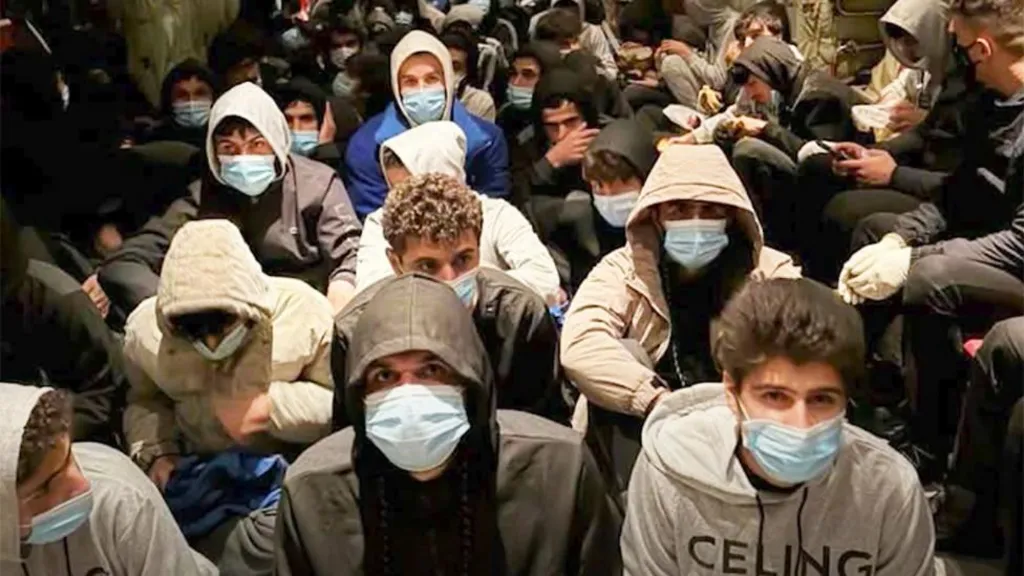
RANYA, IRAQI KURDISTAN – A shocking human trafficking scandal has emerged involving hundreds of migrants who were attempting to reach Europe, with reports alleging that more than 300 people were kidnapped, tortured and threatened with organ removal while being held captive in Libya.
The victims, mostly young men from Iraqi Kurdistan, had paid thousands of dollars to smugglers who promised to transport them through North Africa and onward to Europe. Instead, many found themselves trapped in a nightmare after arriving in Libya, where they were allegedly abducted by an armed militia and held for ransom under brutal conditions.
According to testimonies from survivors and their families, the captors demanded approximately $5,000 from each family for the release of their relatives. Families who could not pay immediately were reportedly threatened with severe consequences, including the removal of organs as payment.
The allegations have emerged following an extensive investigation that uncovered evidence of widespread abuse, including reports of torture, overcrowded detention conditions and possible forced organ removal. Survivors described being confined in cramped cells for months with little food, limited access to sanitation and frequent physical abuse.
Several former hostages who have since returned to Iraqi Kurdistan shared accounts of their ordeal. Some displayed scars and injuries they say resulted from torture during captivity. Others described living in overcrowded rooms where hundreds of people were forced to remain in extremely confined spaces with inadequate food and medical care.
One survivor said he was physically tortured and showed visible scars he attributed to his time in captivity. Another former hostage described spending months in a crowded cell without access to sunlight, sharing a single washroom with dozens of other detainees. Survivors and family members reported that food was often scarce and additional payments were demanded for basic necessities.
The kidnappings are believed to have occurred after a dispute between a people-smuggling network and local armed groups operating in Libya. Criminal organizations involved in human smuggling frequently rely on local militias for access to migration routes, creating opportunities for exploitation and abuse when disputes arise.
Authorities in Iraqi Kurdistan have been working to assist survivors and investigate the circumstances surrounding the kidnappings. More than 100 former hostages were eventually repatriated earlier this year through a government-organized operation, but questions remain about the fate of others who may still be missing or unaccounted for.
Human trafficking experts say the case highlights the dangers faced by migrants attempting to reach Europe through Libya, a country that has long been identified as a major transit point for irregular migration. The absence of strong central government control in parts of the country has allowed criminal networks, smugglers and armed groups to operate with relative impunity.
Migration routes through Libya have repeatedly been linked to reports of kidnapping, extortion, forced labour, sexual violence and other serious human rights abuses. International organizations have documented numerous cases where vulnerable migrants became victims of criminal enterprises that profit from desperation and the promise of a better future abroad.
Officials in Iraqi Kurdistan say they continue to warn residents about the dangers of illegal migration and the false promises made by trafficking networks. Despite growing awareness of the risks, economic hardship, unemployment and hopes for better opportunities continue to drive many young people to undertake perilous journeys toward Europe.
The latest allegations have renewed calls for stronger international action against human trafficking networks operating across migration routes in North Africa and the Mediterranean region. Human rights advocates argue that greater cooperation between governments, law enforcement agencies and international organizations is needed to dismantle smuggling operations and protect vulnerable migrants from exploitation.
As investigations continue, the stories of the survivors serve as a stark reminder of the dangers faced by those seeking a new life abroad. For many families, the trauma extends beyond captivity itself, leaving lasting emotional, physical and financial scars that may take years to heal.