

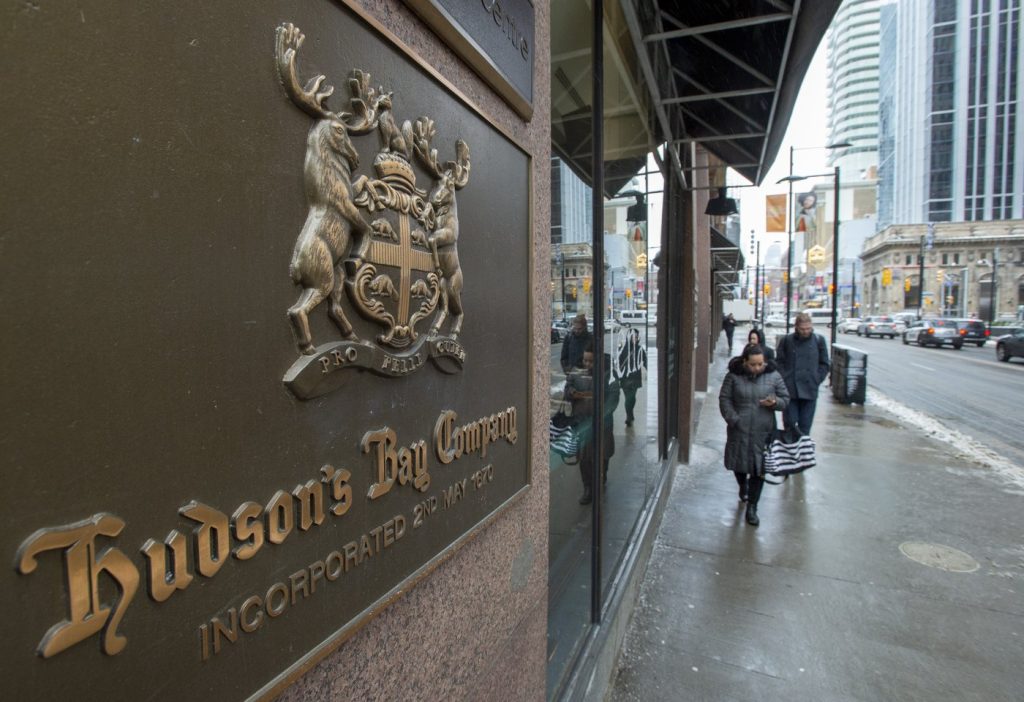
Canada’s oldest retail icon, Hudson’s Bay, has turned to creditor protection to weather a storm of economic pressures, announcing plans to overhaul its sprawling business on Friday evening.
Born in 1670 as a fur-trading empire, the department store chain is grappling with a triple threat: tepid consumer spending, U.S.-Canada trade friction, and a post-pandemic slump in downtown foot traffic. “This is a tough but essential move to secure our place in Canada’s retail future,” said Liz Rodbell, president and CEO, in a statement. “In a sector where others have folded, we’re fighting to adapt and endure.”
The company’s footprint remains vast, with 80 Hudson’s Bay stores nationwide hawking everything from fashion to furniture, alongside three Saks Fifth Avenue and 13 Saks Off 5th outlets operated under a licensing deal. The U.S.-based Saks Global entity—encompassing Saks, Neiman Marcus, and Bergdorf Goodman—remains untouched by this filing. Hudson’s Bay is weighing “strategic options” to shore up its finances, pledging to safeguard jobs where feasible, though it’s steering clear of firm commitments.
The past few years have been a slow unraveling. Store closures, layoffs, and a retreat from Vancouver’s Oakridge Park redevelopment underscored “challenging headwinds,” as the company put it. Its flagship Toronto store on Queen Street West mirrors the decline: the Food Wares market shuttered, replaced by a chaotic sprawl of Zellers goods, while Pusateri’s and Nescafé bailed, leaving broken escalators and weary departments in their wake.
Last year, Hudson’s Bay tinkered with its offerings—importing Target’s Cat & Jack kids’ line and reviving Ann Taylor and Loft for Canadian women—but the moves fell flat. “I walked through, and it was a ghost town,” Liza Amlani of Retail Strategy Group told The Canadian Press last summer. “Piles of markdowns and no customers—it’s like they’ve lost touch with what Canadians want.”
A flicker of optimism emerged in 2024 when HBC snagged Neiman Marcus and Bergdorf Goodman for US$2.65 billion, birthing Saks Global with Amazon and Salesforce as backers. Yet, even that came with cuts: Neiman Marcus staff in Dallas were axed last week as U.S. operations consolidated. Meanwhile, rival Simons is charging ahead, plotting a $75-million expansion into Toronto’s Yorkdale and Eaton Centre—hallowed ground where Hudson’s Bay has long held sway.
The company’s modern saga traces back to Richard Baker, the U.S. real estate mogul who scooped up HBC in 2008 for $1.1 billion via National Realty and Development Corp. Equity Partners. After taking it public in 2012, he clawed it back into private hands by 2020 with a hard-fought bid, just as COVID-19 loomed. Critics slammed him for a sagging stock price and squandered real estate potential—prime properties in bustling districts left underleveraged. “It’ll take time and deep pockets to unlock HBC’s value,” Baker admitted in March 2020, touting a new website as a starting point.
Now, under creditor protection, Hudson’s Bay faces a reckoning. Can it reshape itself to thrive—or will it fade into Canada’s retail history?