

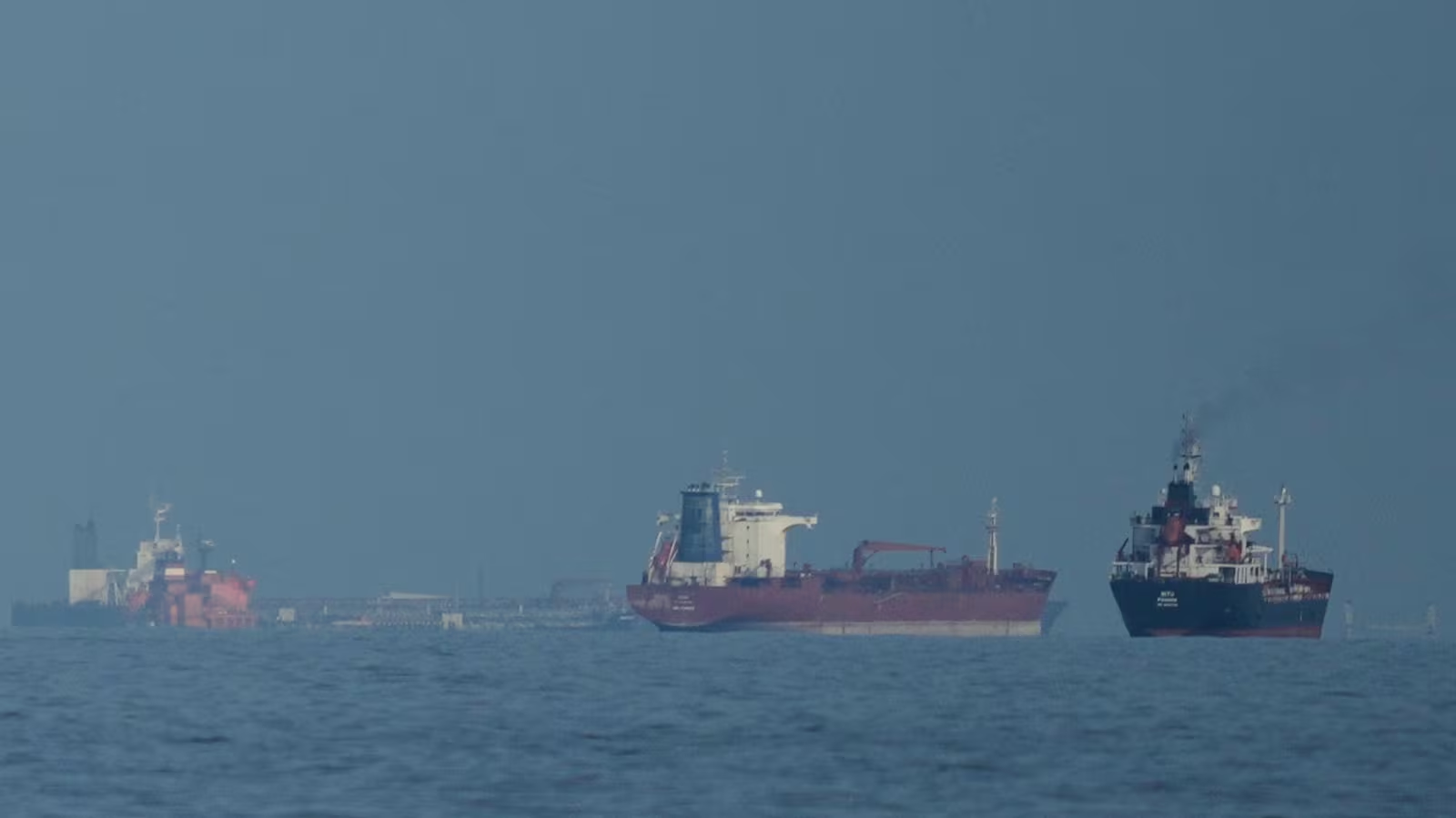
A U.S. move near one of the world’s most critical trade chokepoints could trigger higher inflation, supply shortages, and fresh economic uncertainty.
Fresh geopolitical tensions in the Middle East are sending shockwaves through global markets after reports of a U.S. blockade targeting Iranian ports near the Strait of Hormuz — one of the most strategically important waterways in the world.
The Strait of Hormuz is a narrow sea passage linking the Persian Gulf to global oceans. In normal times, a massive share of the world’s oil and gas exports moves through this route. Any military disruption in the area immediately raises concerns for fuel prices, shipping costs, and the wider global economy.
Why the Strait of Hormuz Matters
Nearly one-fifth of the world’s traded oil and a significant portion of liquefied natural gas normally pass through the strait. Major energy producers in the Gulf rely on it to supply markets in Asia, Europe, and beyond.
If traffic slows or stops, global supply tightens quickly—pushing prices upward.
How a Blockade Could Work
A blockade would likely involve naval monitoring, vessel inspections, restrictions on ships heading to Iranian ports, and warnings to commercial carriers. Even without full-scale combat, fear alone can reduce shipping activity, as insurers raise premiums and companies reroute vessels.
That means delays and higher costs even before any direct disruption occurs.
Impact on Global Economy
Economists warn the effects could spread far beyond oil markets.
1. Higher Fuel Prices
Crude oil spikes usually lead to more expensive gasoline, diesel, airline tickets, and freight transport.
2. Rising Food Costs
Shipping disruptions can affect fertilizer exports, grain transport, and imported food supplies—raising grocery prices worldwide.
3. Supply Chain Delays
Manufacturing materials, chemicals, metals, and consumer goods moving through the region may face delays.
4. Inflation Pressure
Governments already battling inflation may face renewed price shocks, forcing central banks into difficult decisions.
Impact on Canada
Canada produces oil domestically, but gasoline prices still follow global market trends. That means Canadian drivers could continue seeing higher pump prices, while businesses face increased transportation and logistics costs.
Higher airline fares, grocery bills, and household expenses may also follow if tensions persist.
Impact on Asia and Europe
Many Asian economies depend heavily on Middle East energy imports. Countries like India, Japan, South Korea, and China would closely monitor any prolonged disruption. Europe, already managing energy security challenges in recent years, could also face renewed pressure.
Risks of Escalation
Military analysts warn that any blockade carries risks of retaliation, including attacks on shipping lanes, drone incidents, or wider regional conflict. Even short disruptions can leave lasting damage to confidence and markets.
What Happens Next?
Markets will now watch for diplomatic talks, military movements, and shipping activity in the region. If tensions ease, prices may stabilize. If the standoff deepens, consumers worldwide could face another wave of higher costs and economic uncertainty.
For ordinary families, events thousands of kilometres away may soon be felt at the gas station, grocery store, and monthly budget.