

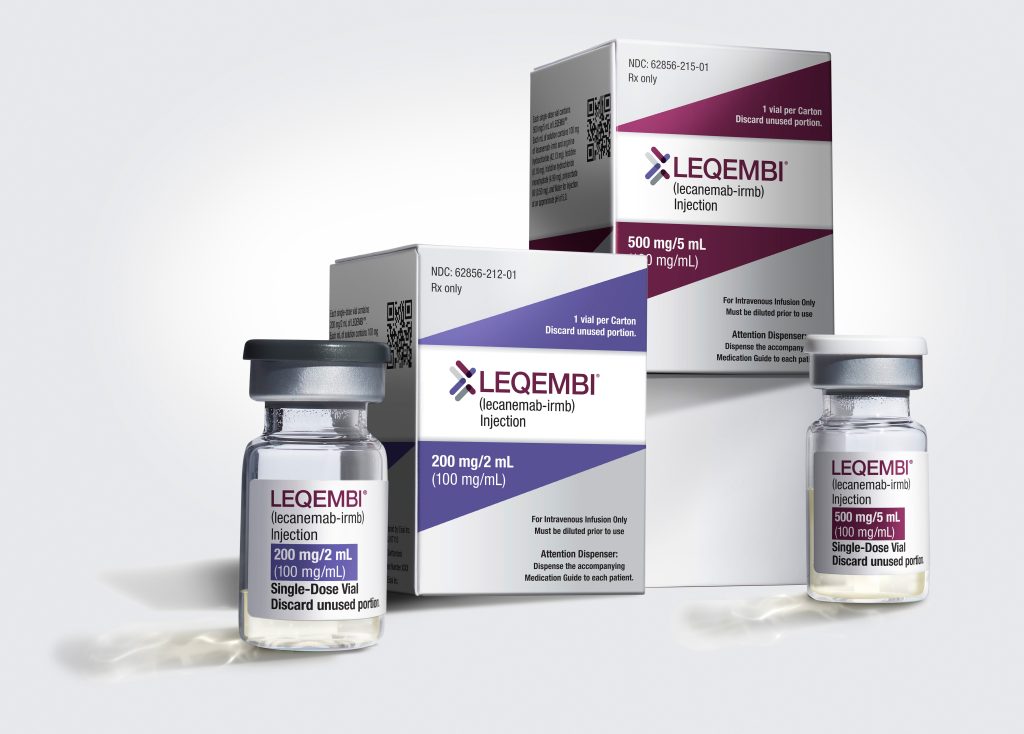
Health Canada has granted approval to lecanemab, a groundbreaking drug shown to slow the progression of Alzheimer’s disease in its early stages — marking a major step forward in dementia treatment and offering new hope for patients and families across the country.
Lecanemab, sold under the brand name Leqembi, is the first treatment approved in Canada that directly targets amyloid plaque, a protein buildup in the brain widely believed to be one of the root causes of Alzheimer’s disease. The lab-engineered antibody works by binding to amyloid proteins and helping the body clear them, potentially slowing cognitive decline in people with mild cognitive impairment or early-stage dementia.
The drug must be administered intravenously every two weeks and is not a cure, but experts say it represents a crucial breakthrough after decades of limited treatment options.
“Patients and families have been anxiously awaiting this approval,” said Adam Morrison, spokesperson for the Alzheimer Society of Ontario. “For many, it means more time — more time to remember their loved ones, to live independently, and to plan ahead with dignity. That’s incredibly significant.”
The Alzheimer Society and other advocacy groups are now urging Canada’s Drug Agency and provincial governments to make Leqembi widely accessible and covered under public health plans. In other countries, the treatment costs around US$26,000 per year, a price out of reach for most families without public funding.
Manufactured by Eisai Co., Ltd., lecanemab has already been approved in about 50 countries, including the United States, where the FDA granted approval in 2023 following extensive clinical trials. A global Phase 3 study showed that the drug modestly slowed memory and cognitive decline compared to a placebo group.
However, the treatment comes with potential side effects such as brain swelling or bleeding, though these effects were rare and usually temporary. Dr. Andrew Frank, a cognitive neurologist and medical director of the Bruyère Memory Program in Ottawa, explained that these side effects are typically detected through MRI scans rather than symptoms.
“Inflammation can occur as the amyloid protein is cleared, which may lead to swelling or small bleeds,” Dr. Frank said. “Most cases are mild, but in rare instances, they can cause headaches, dizziness, or even seizure-like symptoms.”
Fewer than one per cent of clinical trial participants experienced lasting side effects, he added, emphasizing the importance of informed decision-making. “These medications should be accessible to Canadians so they can decide — with their families and doctors — whether the benefits of slowing the disease outweigh the potential risks.”
With Health Canada’s approval, the focus now shifts to ensuring timely access and affordability for patients. For thousands of Canadians living with early-stage Alzheimer’s, lecanemab offers something long missing from their fight against the disease — hope backed by science.