

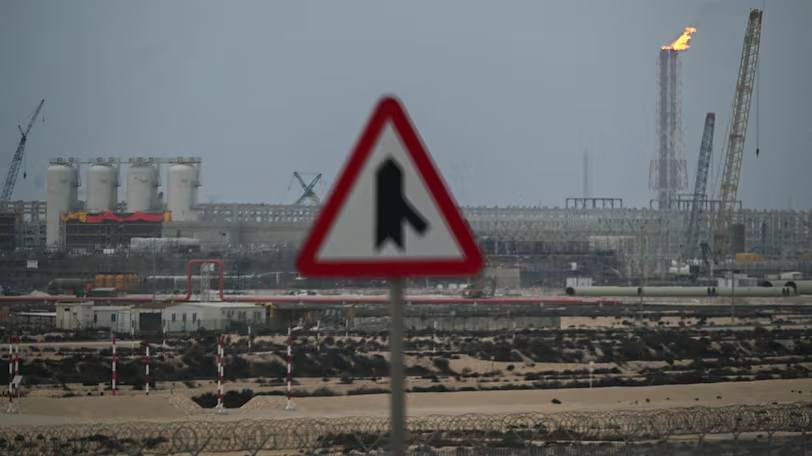
International pressure is mounting on Iran to halt its attacks on Gulf energy infrastructure after strikes on facilities in Qatar and Saudi Arabia triggered fears of a prolonged global energy crisis and sent oil and gas prices sharply higher.
The escalating conflict has prompted urgent warnings from global leaders, including António Guterres, who cautioned that the situation risks spiralling “out of control” and called on all sides to de-escalate. French President Emmanuel Macron also urged an immediate halt to attacks on energy infrastructure, stressing the need to restore stability in the region.
The strikes have had immediate economic consequences, with Brent crude prices rising to around $119 per barrel, while European gas prices reached their highest levels in more than three years. A major concern is the disruption of global supply chains, particularly after damage to Qatar’s key LNG facilities at Ras Al Laffan, which account for a significant share of the world’s liquefied natural gas exports.
Officials in the United Arab Emirates condemned the attacks as “global economic warfare,” noting that energy facilities are critical civilian infrastructure supporting economies worldwide. UAE defence systems reportedly intercepted multiple missiles and drones, underscoring the scale of the threat.
The crisis is further intensified by tensions around the Strait of Hormuz, a vital corridor through which roughly one-fifth of the world’s oil supply passes. Disruptions in this region have historically led to immediate spikes in global energy prices and economic instability.
QatarEnergy has warned that the damage could impact exports for years, with reports suggesting up to 17 per cent of the country’s LNG capacity has been affected. This could have long-term implications for countries dependent on these supplies, including major economies in Europe and Asia.
Despite growing calls for restraint from Arab and international leaders, Iran has indicated it will continue to respond forcefully if its own infrastructure is targeted, raising fears of further escalation.
The unfolding situation is not only a regional conflict but a global economic concern, with rising fuel costs expected to impact everything from transportation to food prices worldwide, adding pressure on already strained economies.