

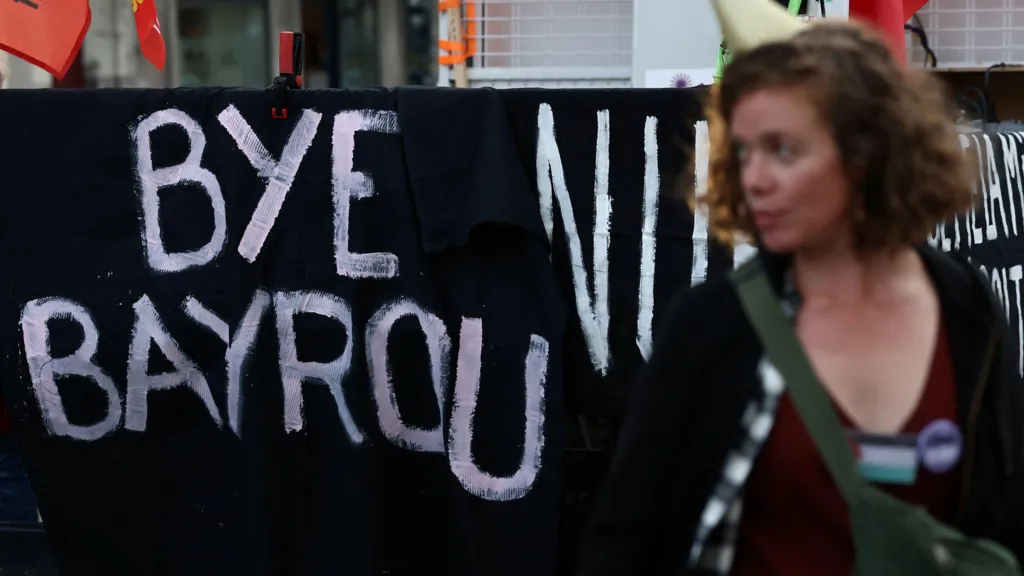
France has entered a new phase of political instability after Prime Minister François Bayrou lost a confidence vote in the National Assembly by 364 votes to 194. Bayrou will present his resignation to President Emmanuel Macron, who must now decide how to move forward.
The president’s options include appointing a new centre-right prime minister, pivoting to the left to find a Socialist-compatible candidate, or dissolving parliament and calling new elections. Macron’s critics on the far left are demanding his resignation, though commentators say this remains unlikely.
Bayrou, who served just nine months, fell after staking his government on an emergency confidence debate focused on France’s €3.4 trillion debt. His proposals to scrap two national holidays and freeze pensions and welfare to save €44 billion faced unified opposition from both the left and far right.
In his speech before the vote, Bayrou warned of the “existential” threat of debt, telling MPs that “submission to debt is the same as submission to arms,” but his appeal failed to gain traction. Analysts described his decision to force the vote as political suicide, given the lack of a majority in parliament.
France is now on track to have its fifth prime minister in less than two years, highlighting the drift and deadlock in Macron’s second term. Defence Minister Sébastien Lecornu, Labour Minister Catherine Vautrin, and Finance Minister Éric Lombard are among names being considered to replace Bayrou.
Meanwhile, protests are building. A movement called Bloquons Tout has promised sit-ins and boycotts starting this week, with major union demonstrations planned for 18 September. Economic analysts warn that France faces mounting fiscal pressure as the cost of servicing its debt is projected to rise from €30 billion in 2020 to more than €100 billion by 2030, while demands grow for reversing unpopular pension reforms.