

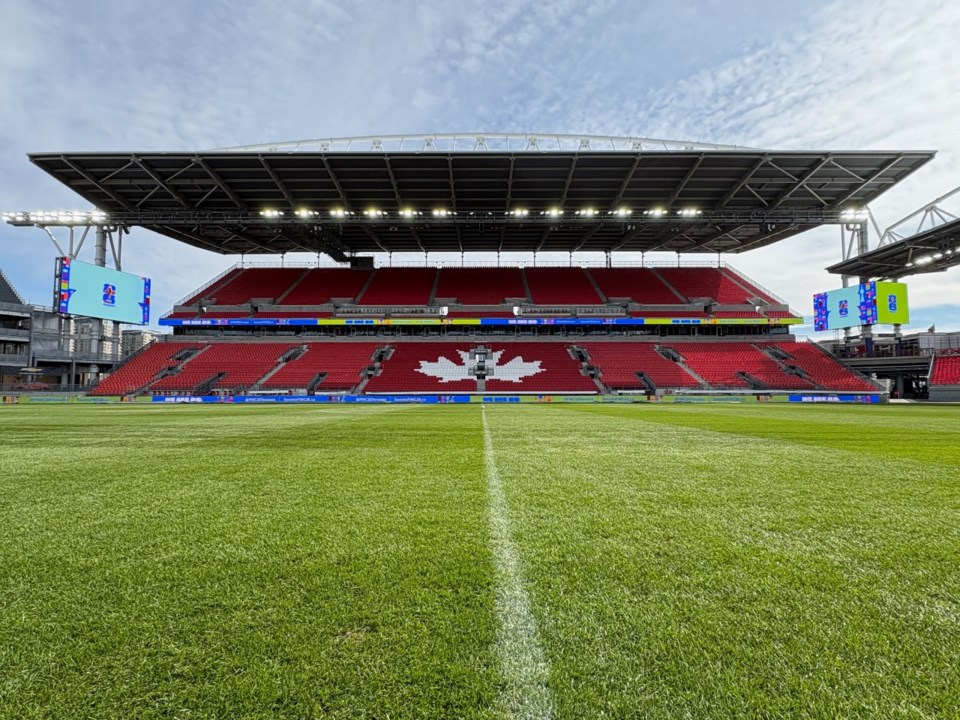
As Toronto prepares to welcome the world for the FIFA World Cup 2026, a new public opinion survey suggests that many residents remain unconvinced the tournament’s benefits will outweigh its significant cost to taxpayers.
The survey found that a large majority of Greater Toronto Area residents believe the public investment required to host World Cup matches is not justified by the anticipated economic and social benefits. While Toronto is preparing to host six matches at Toronto Stadium beginning June 12, many residents continue to express concerns about government spending, disruptions to daily life, and uncertainty about who will ultimately benefit from the global sporting event.
Canada is expected to spend more than $1 billion as a co-host of the FIFA World Cup alongside the United States and Mexico. The funding includes substantial contributions from federal, provincial, and municipal governments to support venue upgrades, security measures, transportation planning, and fan-related activities.
Public concern appears to extend beyond financial costs. Many GTA residents worry about road closures, traffic congestion, security restrictions, and the impact on summer events and local activities throughout the tournament period. The survey indicates that these practical concerns are shaping public perceptions just as much as the financial commitment involved in hosting the event.
A significant number of respondents also believe that the primary beneficiaries of the World Cup will be FIFA, multinational sponsors, and large corporations rather than local communities and residents. This perception has contributed to growing calls for greater accountability and transparency regarding tournament-related expenditures.
Questions surrounding the final cost of hosting the event remain a concern for many residents. While city officials have repeatedly stated their commitment to managing expenses responsibly, some respondents expressed doubts about whether the full financial impact of the tournament will be clearly communicated once the event concludes.
The survey also revealed mixed feelings about the World Cup itself. While the tournament is expected to attract international visitors, generate global media attention, and showcase Toronto on the world stage, public enthusiasm remains divided. Nearly half of respondents indicated some level of excitement about participating in World Cup activities or following the matches, while a slightly larger proportion said they have little interest in the tournament.
Despite the skepticism reflected in the survey, city leaders and tourism officials continue to promote the World Cup as a once-in-a-generation opportunity to boost tourism, stimulate economic activity, and enhance Toronto’s international profile. Supporters argue that the event’s long-term benefits, including global exposure and infrastructure improvements, will extend well beyond the final whistle.
As the countdown to kickoff continues, the debate over the true value of hosting the FIFA World Cup remains active. While soccer fans eagerly await the arrival of the world’s biggest sporting event, many GTA residents will be watching closely to determine whether the promised economic and community benefits ultimately materialize.