

A team of Chinese virologists, led by Shi Zhengli from the Wuhan Institute of Virology (WIV), has identified a new bat coronavirus capable of infecting human cells through the same receptor used by the virus responsible for COVID-19, raising concerns about possible animal-to-human transmission.
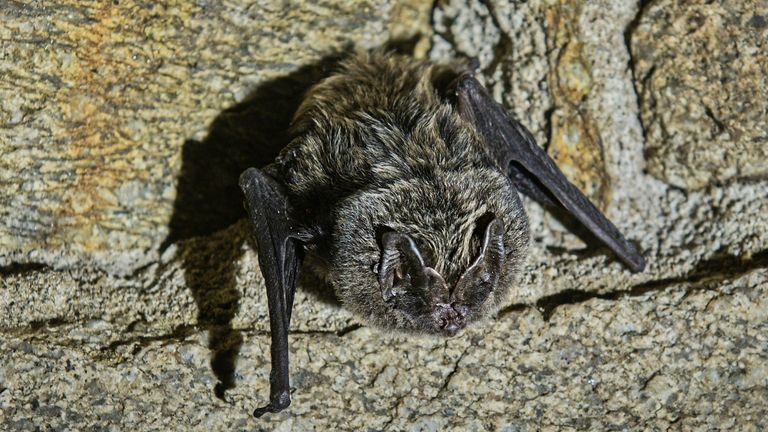
According to a report by the South China Morning Post, the newly discovered virus belongs to the merbecovirus subgenus, which includes the Middle East respiratory syndrome (MERS) virus. The virus is a new lineage of the HKU5 coronavirus, initially identified in Japanese pipistrelle bats in Hong Kong.
The research, published in the peer-reviewed journal Cell, states that the virus binds to the angiotensin-converting enzyme 2 (ACE2) receptor, the same pathway used by SARS-CoV-2 to infect human cells. The study found that the virus, when isolated from bat samples, could infect human cells as well as artificially grown organ-like tissue models resembling respiratory and intestinal systems.
This discovery comes amid ongoing scrutiny of the Wuhan Institute of Virology (WIV), which faced allegations of involvement in the origins of COVID-19. Shi Zhengli, often referred to as “Bat Woman” for her extensive research on bat-borne viruses, has repeatedly denied claims that the virus was leaked from the Wuhan lab.
Earlier this month, China dismissed allegations that WIV conducted gain-of-function research on coronaviruses, following U.S. claims that USAID funds were used to support such studies. Chinese Foreign Ministry spokesperson Guo Jiakun stated, “The Wuhan Institute of Virology has never engaged in gain-of-function studies of coronavirus. Never has it designed, made, or leaked COVID-19.”
However, recent American media reports suggest that USAID-funded studies at WIV may have contributed to the COVID-19 pandemic. Former U.S. President Donald Trump, who previously scrutinized USAID’s funding allocations, has now shut down projects that do not align with American strategic interests.
The latest discovery raises further debate on the risks of cross-species virus transmission and the need for global surveillance on emerging infectious diseases. With the memory of COVID-19 still fresh, international health agencies may push for more transparency and stronger regulations around virus research to prevent future pandemics.