

Canada’s economic resilience will come under fresh scrutiny today as new data from Statistics Canada is expected to provide the first detailed picture of how ongoing trade tensions and the outbreak of conflict involving Iran have affected the national economy.
The highly anticipated first-quarter Gross Domestic Product (GDP) report is expected to reveal whether Canada managed to regain momentum after a slight economic contraction in the final months of 2025, a period marked by global uncertainty, supply-chain concerns, and escalating geopolitical tensions.
Preliminary estimates released by Statistics Canada last month suggested the economy expanded at an annualized rate of 1.7 per cent during the first quarter of 2026. However, economists surveyed by Reuters are forecasting a slightly lower growth rate of approximately 1.5 per cent.
While any positive growth would indicate the economy has avoided slipping further into weakness, analysts say the report will also provide important clues about how vulnerable key Canadian industries remain to international disruptions.
According to Statistics Canada’s earlier estimates, economic activity showed modest gains during January and February before momentum began fading in March.
The manufacturing sector emerged as one of the strongest contributors to growth early in the quarter, helping support overall economic activity despite continuing challenges faced by exporters and industrial producers.
However, manufacturing output remains significantly below levels recorded one year ago as Canadian companies continue adjusting to the impact of U.S. tariffs affecting multiple sectors.
Automakers, parts suppliers, steel producers, and other export-oriented industries have been among those most affected by shifting trade policies and increased cross-border economic uncertainty.
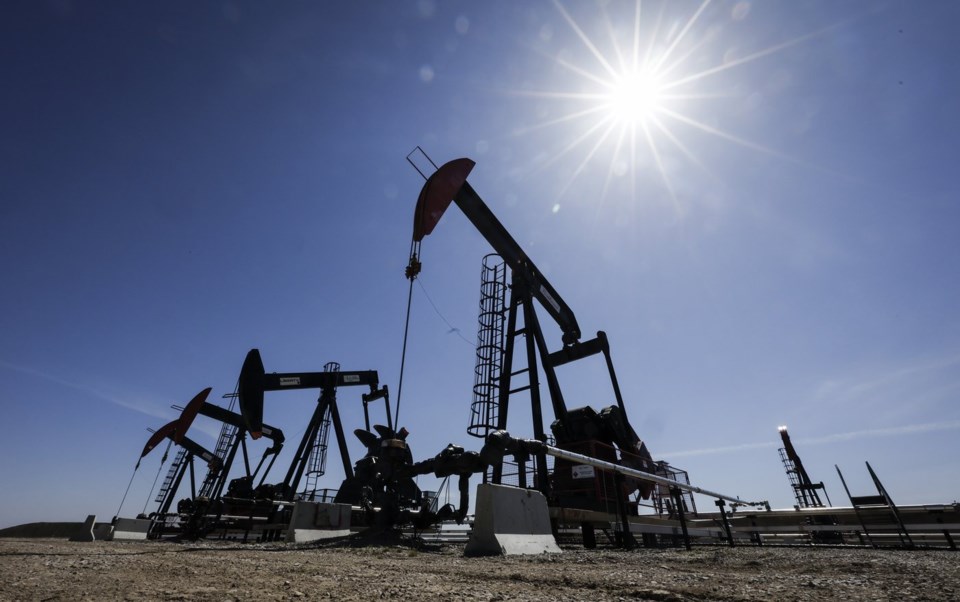
The GDP report is also expected to provide early insight into how the emerging conflict involving Iran affected Canada’s resource sector.
Global energy markets experienced sharp volatility during March as tensions in the Middle East intensified and fears of supply disruptions pushed oil prices higher.
While rising oil prices typically benefit Canadian energy producers, Statistics Canada has already indicated that seasonal maintenance activity within the oil and gas sector likely reduced production levels during part of the quarter.
As a result, the energy sector’s contribution to overall economic growth may have been weaker than many observers expected despite favourable commodity prices.
Economists will be watching closely to determine whether higher energy revenues offset declines elsewhere in the economy and whether Canada’s resource sector is positioned to benefit from continued geopolitical instability.
The report arrives at a crucial time for Prime Minister Mark Carney and federal policymakers as they navigate growing concerns about economic competitiveness, productivity growth, inflationary pressures, and Canada’s long-term trade relationships.
Financial markets, investors, and business leaders are expected to closely analyze the data for signals about future interest rate decisions, investment activity, and overall economic confidence.
Particular attention will focus on business investment, consumer spending, exports, and manufacturing performance — all key indicators of Canada’s ability to withstand external economic shocks.
The GDP figures could also influence future decisions by the Bank of Canada as policymakers continue balancing economic growth concerns against inflation management objectives.
While first-quarter growth is expected to remain positive, analysts caution that the full impact of ongoing trade disputes and international conflicts may not yet be fully reflected in the data.
Many economists believe the second and third quarters of 2026 will provide a clearer indication of whether Canada’s economy can maintain growth in the face of continuing global uncertainty.
For now, today’s GDP report is expected to offer the first meaningful snapshot of how Canada’s economy is responding to a rapidly changing international environment shaped by trade disruptions, geopolitical conflict, and shifting global market conditions.
The results could help determine whether the country is entering a period of renewed economic stability or facing a more challenging road ahead.