

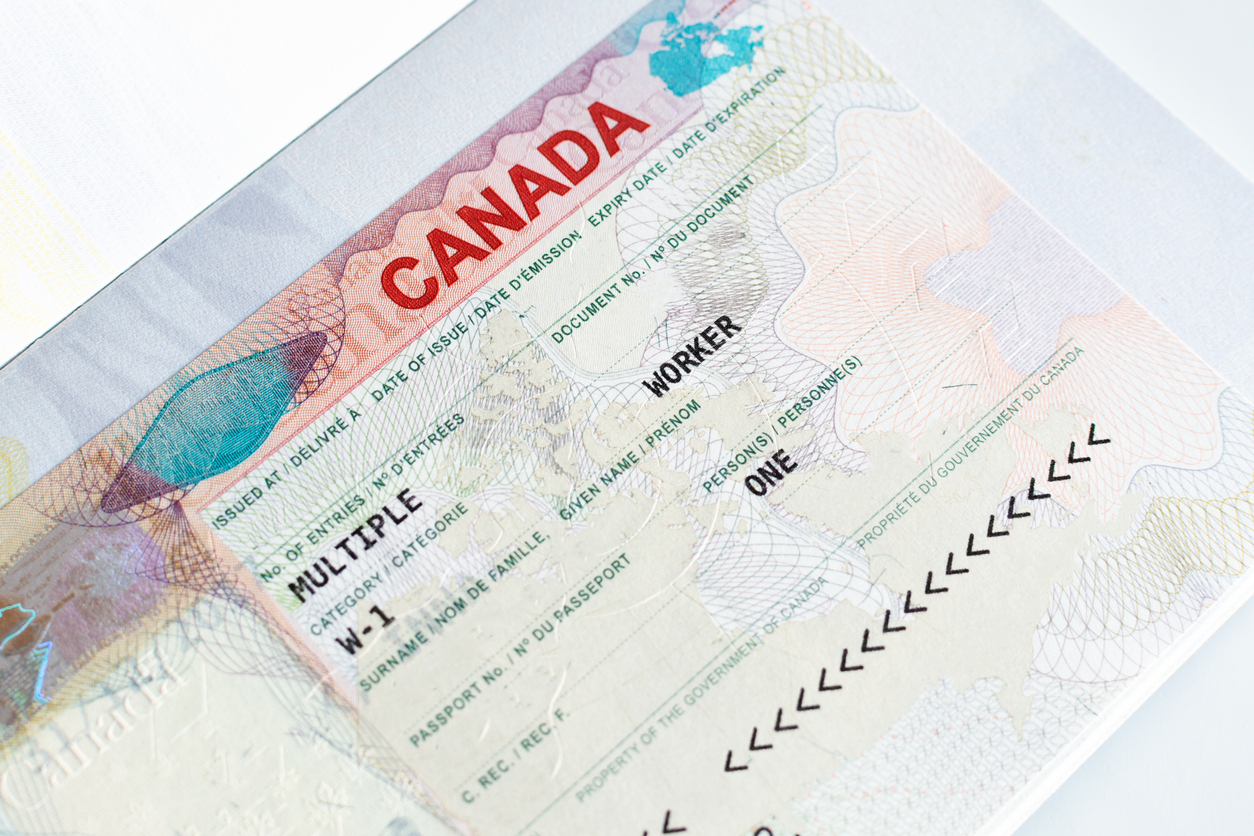
Canada’s immigration processing system continues facing mounting pressure as new federal data reveals rising wait times for work permits, visitor visas, and other temporary residence applications, creating growing uncertainty for international workers, students, and families hoping to come to Canada.
Updated figures released by Immigration, Refugees and Citizenship Canada on May 26 show several significant increases in application processing times over just a one-week period, particularly for applicants from countries such as India and Nigeria.
The latest numbers highlight the continuing challenges facing Canada’s immigration system as the federal government struggles to balance record application volumes, labour shortages, international student demand, and ongoing operational backlogs.
Among the most notable changes, work permit applications from Nigeria saw one of the sharpest increases, jumping from 12 weeks to 16 weeks in only six days. Work permit processing for applicants from India also rose from nine weeks to 10 weeks during the same period.
Meanwhile, in-Canada work permit applications saw only a modest improvement, declining slightly from 206 days to 201 days — still far above the department’s official service standard of 120 days for in-Canada submissions.
Current work permit processing estimates now stand at approximately 10 weeks for applicants from India, six weeks for Pakistan, 16 weeks for Nigeria, five weeks for the United States, and eight weeks for the Philippines.
The latest figures are adding to concerns among international workers and employers who rely heavily on Canada’s temporary foreign worker and international mobility programs to fill labour shortages across multiple industries.
Study permit processing times, by comparison, remained relatively stable, with only minor improvements reported.
Applications from the Philippines saw a slight decrease from five weeks to four weeks, while wait times for India, Pakistan, Nigeria, and the United States remained largely unchanged.
Current study permit processing estimates are approximately four weeks for India and the Philippines, seven weeks for Pakistan, six weeks for Nigeria, and five weeks for the United States.
Visitor visa processing times, however, showed signs of renewed strain within the system.
Applications submitted from within Canada experienced one of the most dramatic increases, rising from 16 days to 25 days within a single week.
Applicants from the United States and the Philippines also saw small increases, while Pakistan experienced a slight improvement.
At present, visitor visa processing estimates stand at 28 days for India, 49 days for Pakistan, 48 days for Nigeria, 26 days for the United States, and 21 days for the Philippines.
Super visa applications — designed primarily for parents and grandparents of Canadian citizens and permanent residents — showed modest improvements across most countries.
The largest improvement came from U.S.-based applications, which dropped from 115 days to 106 days. Processing times for India, Pakistan, and Nigeria also improved slightly, while the Philippines experienced a small increase.
Current super visa wait times are estimated at 116 days for India, 74 days for Pakistan, 36 days for Nigeria, 106 days for the United States, and 33 days for the Philippines.
Immigration experts note that processing times published by IRCC are estimates rather than guarantees and can fluctuate frequently depending on application volumes, staffing capacity, operational pressures, seasonal trends, and the complexity of individual files.
IRCC currently uses two main methods to calculate processing timelines.
Historical processing estimates are based on past application performance and reflect how long it previously took the department to process approximately 80 per cent of applications in a given category.
Forward-looking estimates, meanwhile, rely on current inventory levels and available processing resources to project future wait times for newly submitted applications.
The department also maintains official service standards, which represent internal targets for processing applications under normal operating conditions.
For temporary residence applications, the current service standard remains 60 days for most applications submitted outside Canada and 120 days for in-Canada applications and extensions.
However, immigration analysts note that many current processing timelines continue exceeding those targets significantly due to sustained application backlogs and growing demand for Canadian immigration pathways.
Canada has experienced unprecedented international interest in recent years from workers, students, and families seeking temporary or permanent opportunities, placing considerable strain on the country’s immigration infrastructure.
As immigration remains central to Canada’s economic growth strategy and labour market planning, many applicants continue closely monitoring IRCC updates amid concerns about delays affecting employment opportunities, study plans, family reunification, and travel arrangements.
While the federal government continues investing in digitization, staffing, and modernization efforts, the latest numbers suggest Canada’s immigration system is still struggling to fully recover from years of pandemic-era disruptions and rapidly rising global demand.