

In an effort to address the growing number of temporary residents in the country, the Canadian government has introduced new restrictions on international study permits and tightened eligibility for work permits. This move is part of Prime Minister Justin Trudeau’s broader strategy to manage the number of foreign nationals living in Canada, as the government aims to reduce temporary residents to 5% of the total population, down from 6.8% in April 2024.
The government plans to issue only 437,000 study permits for international students by 2025, a sharp decline from the 509,390 permits granted in 2023. The first seven months of 2024 already saw 175,920 study permits issued, signaling a significant reduction moving forward. In addition, work permit eligibility for spouses of some international students and temporary foreign workers will be restricted as part of the new measures.
These announcements come at a politically sensitive time, with the Liberal government facing declining support in the polls and a recent by-election loss. As Canada approaches a federal election, which must be held no later than October 2025, immigration and temporary residency have become central issues in the national debate.
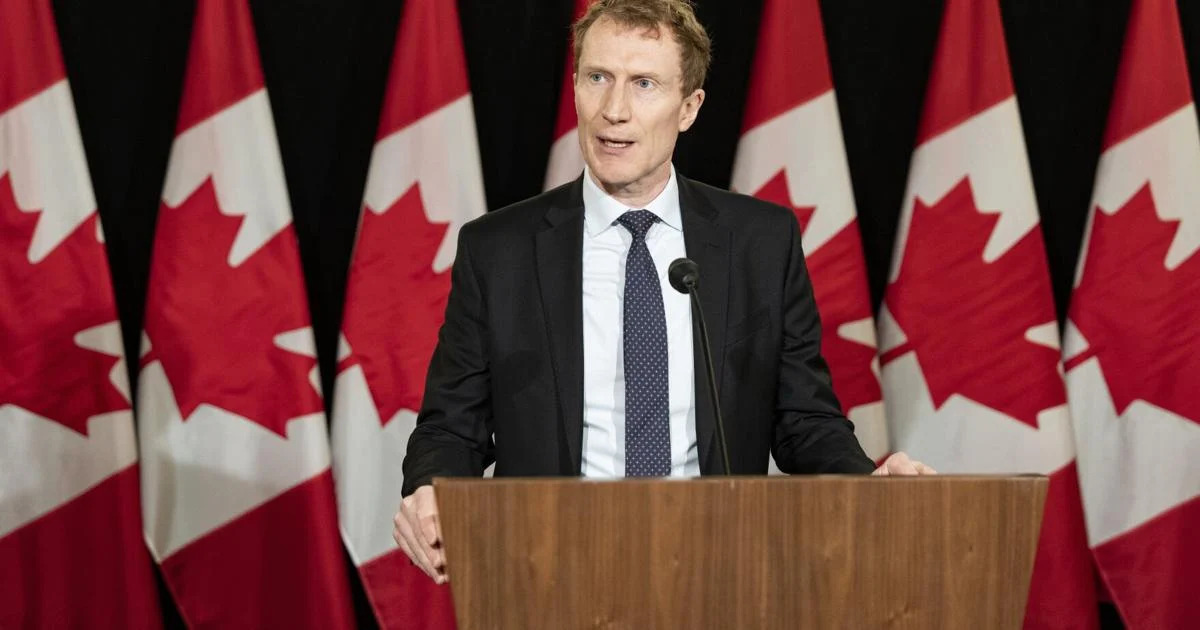
Immigration Minister Marc Miller emphasized the need for stricter visa processes to ensure visa integrity and reduce fraud. “The reality is that not everyone who wants to come to Canada will be able to—just like not everyone who wants to stay in Canada will be able to,” he said in a statement. The government also announced a review of its visa decision-making process to equip officers with better tools to identify non-genuine applicants.
The new measures come amid concerns about Canada’s rising refugee claims and growing dissatisfaction with temporary residents being linked to societal issues, such as housing shortages and inflation. While inflation has cooled to 2% annually as of August 2024, public concern over the cost of living remains high.
Critics argue that blaming migrants for these challenges is an oversimplification. Advocacy groups and economists highlight that the economic struggles are complex and not solely driven by immigration. Nevertheless, public opinion has shifted, with a growing sentiment that Canada may be admitting too many immigrants. This has led to a rise in anti-migrant rhetoric and incidents, a notable shift in the country’s historically welcoming stance toward newcomers.
In January 2024, the government introduced a two-year cap on international students, cutting their approvals by nearly half this year. Earlier this month, the government also reversed 2022 expansions to the Temporary Foreign Worker Program, particularly limiting low-wage temporary workers in sectors and regions with high unemployment rates.
As the political landscape evolves and Canada faces increasing challenges in balancing its immigration goals with domestic concerns, the new policies signal a turning point in the country’s approach to managing its temporary resident population.