

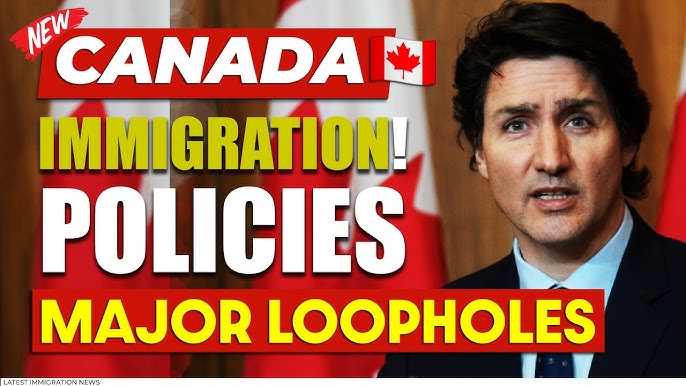
Amid rising political tensions and shifting public opinion, Canada has taken steps to limit the number of foreigners entering the country, as immigration becomes a divisive issue ahead of a federal election. Recent data shows a surge in visa rejections and stricter entry regulations, despite no official changes in immigration policy.
According to Reuters, the number of rejected visitor visas has surpassed approvals in several months of 2024, with January, February, May, and June seeing more refusals than approvals. In July alone, nearly 6,000 foreign travellers, including students, workers, and tourists, were turned away — the highest number since 2019.
Public sentiment around immigration has shifted, driven by rising costs of living and other economic concerns. An immigration lawyer in Nova Scotia observed increased rejections and growing hostility toward foreign applicants. “People now say things about barring immigrants that they wouldn’t have said a few years ago,” the lawyer said.
Canada’s Immigration Minister Marc Miller acknowledged the issue, stating the government would reevaluate permanent residency applications, while Prime Minister Justin Trudeau suggested scaling back the controversial Temporary Foreign Worker (TFW) program. This program, which saw 239,646 workers approved in 2023 — more than double the 2018 numbers — has faced scrutiny for labor exploitation, with a UN rapporteur describing it as a “breeding ground for contemporary slavery.”
Trudeau also hinted at reducing Canada’s permanent residency intake after years of steady increases. His government had set targets of 485,000 permanent residents in 2024 and 500,000 in 2025 and 2026. However, with mounting criticism and concerns about inadequate infrastructure, Trudeau suggested that further adjustments may be needed.
Conservative leader Pierre Poilievre, whose party leads in the polls, has sharply criticized Trudeau’s immigration policies, accusing the Liberals of growing the population faster than housing can accommodate. He pledged to tie Canada’s population growth to the number of homes built if elected, arguing that the current system is “out of control.”
As political leaders prepare for the next federal election, immigration remains a key issue, with both sides debating the balance between economic growth and sustainability in the face of rising public concerns.