

The federal government is set to introduce landmark legislation aimed at protecting children online, including a proposed ban on social media access for Canadians under the age of 16.
The legislation, expected to be tabled in Parliament today, forms part of a broader digital safety framework that will also address online harms, artificial intelligence chatbots, and the responsibilities of technology companies operating in Canada.
The proposed law includes the creation of a new Digital Safety Act and a Digital Safety Commission of Canada Act, establishing a regulatory framework intended to strengthen protections for children and young people in the digital environment.
According to reports, the legislation would prohibit children under 16 from using social media platforms unless those platforms meet specific government-approved safety standards and qualify for exemptions. The proposal represents one of the most significant attempts by the Canadian government to regulate youth access to social media and online services.
The legislation comes amid growing concerns from parents, educators, health professionals, and policymakers about the impact of social media on young people’s mental health, well-being, privacy, and exposure to harmful content. Governments around the world have been exploring stricter rules governing children’s online activity as concerns mount over cyberbullying, online exploitation, addictive platform designs, and inappropriate content.
Federal officials say the new legislation will also focus on improving safety measures related to artificial intelligence chatbots, which are becoming increasingly popular among young users. The government intends to establish clear responsibilities for technology companies to ensure their products and services do not expose children to unnecessary risks.
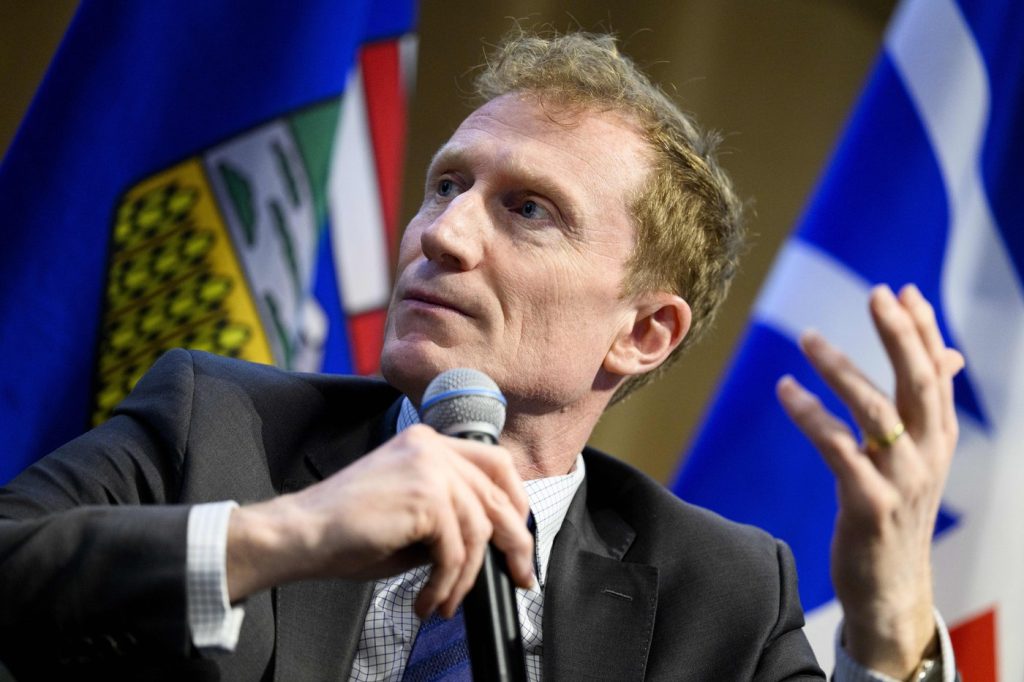
Marc Miller is expected to provide additional details during a news conference later today following a technical briefing on the proposed legislation.
Speaking ahead of the bill’s introduction, Miller emphasized that protecting children online remains a top government priority. He indicated that the government is prepared to take significant action to address digital harms, arguing that stronger safeguards are necessary to protect vulnerable young Canadians.
If passed, the legislation could have far-reaching implications for social media companies, technology platforms, parents, schools, and millions of Canadian families. It would place Canada among a growing number of countries considering stricter age-based restrictions and enhanced online safety requirements for minors.
The proposal is expected to generate significant public debate, with supporters arguing that stronger protections are needed to safeguard children, while critics may raise questions about enforcement, privacy, parental choice, and access to digital communication tools.
As Parliament begins consideration of the bill, the discussion is likely to become one of the most closely watched technology and public policy debates in Canada this year, reflecting the growing challenge of balancing innovation, freedom of expression, and the protection of children in an increasingly digital world.