

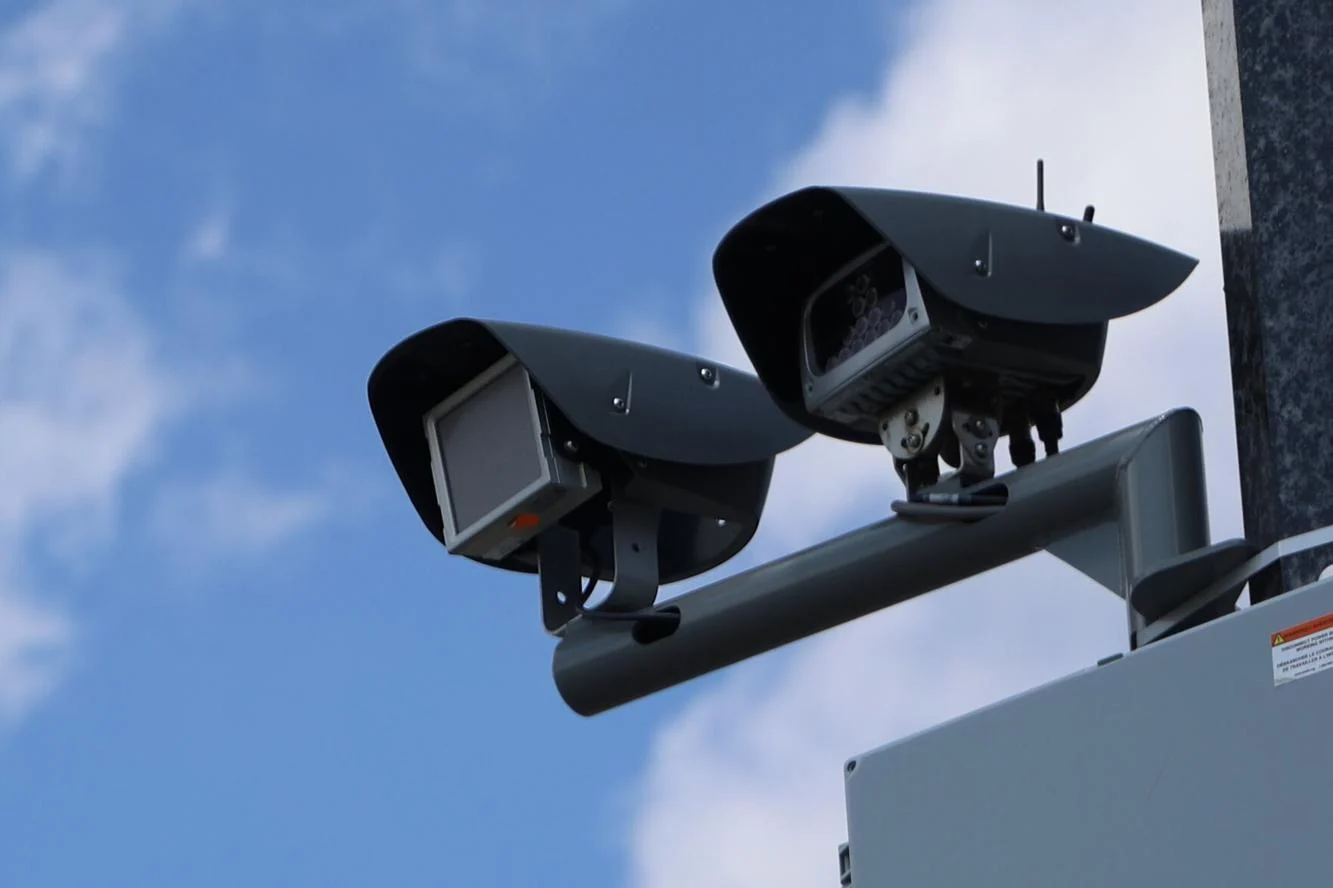
The City of Brampton has confirmed that all 185 automated speed enforcement (ASE) photo radar cameras installed across the city remain active, though they are no longer issuing speeding tickets. Instead, the cameras are currently being used exclusively to collect vehicle speed and traffic volume data, as the municipality evaluates alternative ways to repurpose the equipment following a province-wide ban on photo radar enforcement.
In an emailed statement, the City clarified that while the ASE program has ended, the infrastructure remains operational to support future road safety planning.
“All 185 ASE cameras continue to capture vehicle speed and volume data. This information will inform the deployment of future traffic calming measures, ensuring the most effective tools are used where they are needed most,” the City said, emphasizing that no tickets will be issued during this interim period.
The Ontario government, under Doug Ford, prohibited municipalities from using ASE technology effective November 14, 2025, abruptly ending Brampton’s photo radar enforcement program. The decision left municipal councils across Ontario, including Brampton, searching for alternative uses for already-installed and fully operational equipment purchased as recently as 2024.
In response, Brampton City Council has directed staff to report back later this year with options to repurpose the cameras. Among the possibilities under consideration are converting them into red-light cameras, using them to help enforce noise and nuisance bylaws—such as identifying excessively loud aftermarket exhaust systems—or applying the technology in other innovative ways to support road and community safety. Premier Ford himself has suggested that municipalities may be able to adapt the cameras as policing or traffic-monitoring aids.
Meanwhile, early data collected since the ban has raised fresh concerns about driver behaviour. According to the City, preliminary findings show a noticeable increase in speeding.
“So far, preliminary data has shown a significant increase in the number of vehicles travelling more than 11 km/h over the posted speed limit since the end of the ASE program,” the City stated, adding that a more detailed analysis will be shared later in the year.
Prior to the ban, Brampton—along with several other municipalities—had urged the province to reconsider its decision, particularly advocating for continued use of ASE cameras in school zones under enhanced provincial oversight. The City had also provided the Ministry of Transportation with five years of collected data, demonstrating that photo radar was effective in reducing speeding and improving compliance in high-risk areas.
Despite this, the provincial government rejected those findings, characterizing photo radar as a “municipal cash grab.” Instead, the province established a replacement fund to help municipalities invest in alternative traffic-calming measures such as speed humps, signage, roundabouts, and other physical road design changes, which it argues are more effective in preventing speeding.
In September, Premier Ford defended the decision, stating:
“Instead of making life more expensive by sending speeding tickets to drivers weeks after the fact, we’re supporting road-safety measures that will prevent speeding in the first place, keep costs down and keep our streets safe.”
As part of this transition, Brampton has already received nearly $7 million in provincial funding, along with large school-zone signage, to begin replacing its former photo radar program with alternative safety measures.
While enforcement has paused, City officials stress that the continued operation of the cameras for data collection will play a crucial role in shaping future road safety strategies. The findings are expected to guide where and how new traffic-calming tools are deployed—particularly in areas where speeding remains a persistent concern.
The situation underscores the ongoing tension between municipal road-safety strategies and provincial policy, even as Brampton works to adapt its approach while keeping community safety at the forefront.