

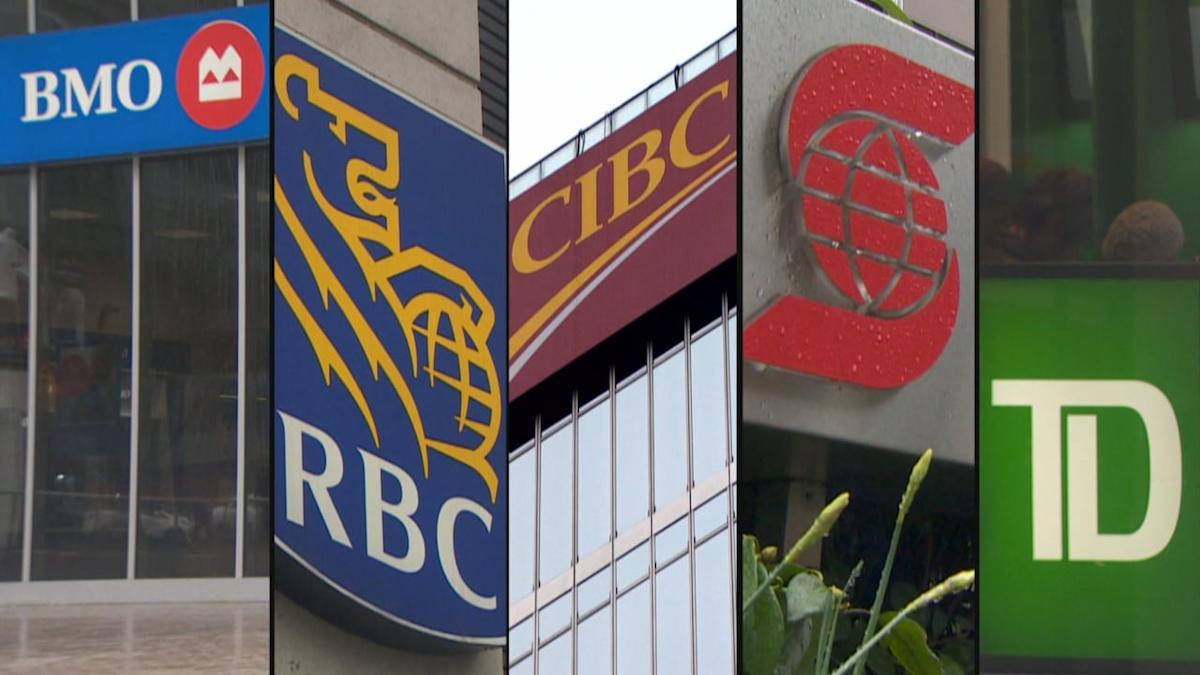
Canada’s bank account holders just got a late parting gift from former Prime Minister Justin Trudeau: a hard cap on non-sufficient funds (NSF) fees. As of March 12, 2026, those wallet-gouging $45-$48 penalties for bounced cheques or overdrawn debits will shrink to a measly $10—saving Canadians an estimated $4.1 billion over the next decade.
The move, cemented by an order-in-council two days before Trudeau’s resignation, reins in the Big Five banks, who’ve long cashed in when accounts run dry. And it’s not just the fee getting a haircut—banks can’t double-dip with multiple NSF charges in a 48-hour window or nickel-and-dime folks for overdrafts under $10. Plus, they’ll have to send a three-hour warning alert, giving you a shot to dodge the fee by topping up your balance.

“This is hope for people,” cheered Alejandra Ruiz Vargas, president of ACORN Canada, a group that’s battled NSF fees for years, arguing they hammer low-income families hardest. “A $48 hit for being $5 short? That’s grocery money!” While she’s “over the moon” about the cap, she’d rather see NSF fees axed altogether—and sooner than next year.
The Finance Department, which cooked up the rules after years of haggling with banks and consumer advocates, says $10 strikes the sweet spot: it keeps the payment system humming while easing the sting. Their 2023 data? A whopping 34% of Canadians—15.8 million transactions—got slapped with NSF fees, often piling debt on the vulnerable, like women, single parents, immigrants, and Indigenous folks.
Banks aren’t thrilled. The Canadian Banking Association’s Maggie Cheung defended NSF fees as a nudge for “responsible banking” and a pillar of the payment system’s “integrity.” Still, she says members will play ball and tweak their systems to comply. “Customers can avoid this—monitor your balance, set alerts, or get overdraft protection,” she advised.
Trudeau’s team, in a final flex, touted the change as a win for fairness, though the fine print—hitting personal accounts only, not businesses—lands in the Canada Gazette on March 26. For the 79 banks under the new rules, it’s adapt or bust. For Canadians? A little breathing room at last.