

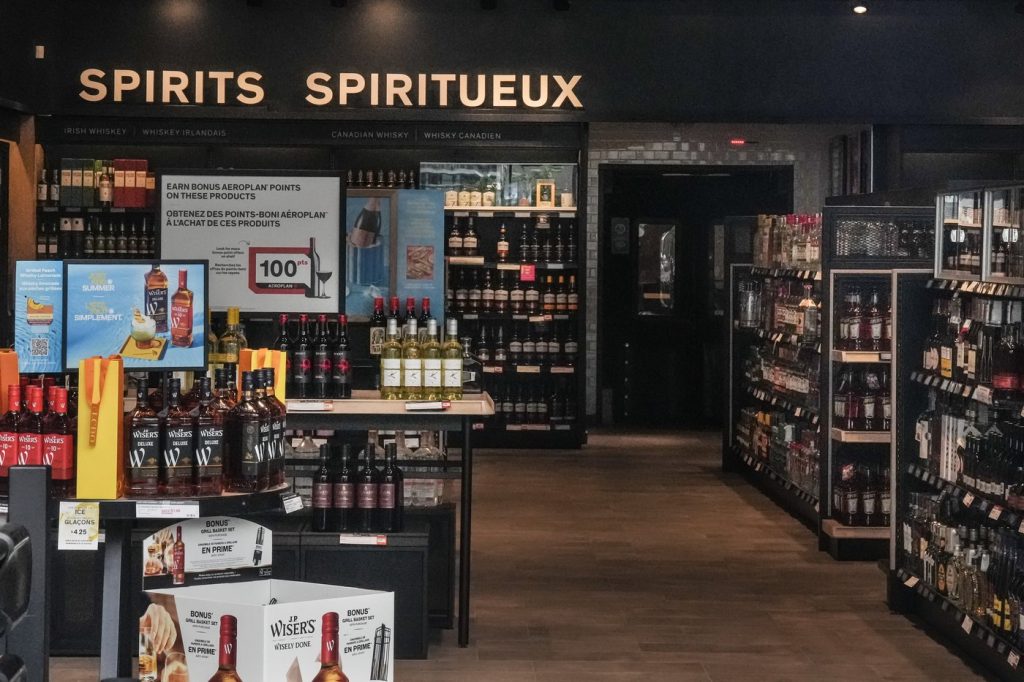
Some alcohol prices in Ontario could rise in the new year as a series of changes to the province’s alcohol marketplace take effect, prompting concern among restaurants, convenience stores and other retailers.
The changes stem from Premier Doug Ford’s plan to expand and modernize alcohol sales, which has already allowed beer, wine and ready-to-drink beverages to be sold in convenience stores, reduced The Beer Store’s footprint, and altered how empty containers are handled.
When the expansion was announced last year, the province said all retailers would receive a 10 per cent wholesale discount from the Liquor Control Board of Ontario (LCBO) until a new wholesale pricing structure is introduced in 2026. This spring, the government temporarily raised that discount to 15 per cent for bars, restaurants and convenience stores, citing the need to shield them from the effects of U.S. tariffs.
That temporary increase is set to expire Dec. 31, and industry groups warn the reduction back to 10 per cent could force some businesses to raise prices for customers.
Restaurants are already operating on tight margins, with 41 per cent currently unprofitable, said Kelly Higginson, president and CEO of Restaurants Canada.
“It’s reasonable to assume that at least some will pass on their higher alcohol costs as of Jan. 1 due to the reduced discount,” Higginson said in an interview.
She added that operators are facing rising costs across the board. “We have also seen double-digit inflationary pressures around food, around insurance, around commercial rent — you kind of name it, it’s gone up,” she said.
“We haven’t raised menu prices as much as our input costs have been increasing, but we will have to raise prices for alcohol. We will not have an option, because we can’t continue to raise prices on food.”
Anne Kothawala, president and CEO of the Convenience Industry Council of Canada, said some corner stores may also have to increase prices. But she and others in the sector are more concerned about a new wholesale cost structure expected from the LCBO.
Under the changes, the LCBO will become the exclusive wholesaler and introduce a new pricing formula that adds taxes, markups and fees to supplier-set prices. Industry groups fear the new model could significantly raise costs for retail and hospitality buyers.
Major retail and hospitality associations wrote to Finance Minister Peter Bethlenfalvy in the fall asking that the new pricing model, initially planned for Jan. 1, be delayed. The letter, obtained by The Canadian Press, was signed by the convenience industry council, Restaurants Canada, Beer Canada, Drinks Ontario, Spirits Canada, and the Ontario Restaurant, Hotel and Motel Association.
“As we analyze the LCBO’s proposed pricing model, significant discrepancies have emerged between LCBO’s projected impacts and industry estimates of how much prices will increase for retail and hospitality buyers,” the letter said.
The government has since delayed implementation of the new pricing system until April, saying it is “listening to stakeholder feedback,” according to a spokesperson.
Industry representatives hope the delay will allow for changes to the formula.
“We continue to work with the government over our concerns with the proposed pricing structure to ensure that any changes reflect the unique nature of our industry and maintain prices for consumers,” Kothawala said in a statement.
Another potential pressure on prices comes from changes to alcohol recycling. Under last year’s expansion plan, grocery stores selling alcohol were supposed to accept empty containers starting Jan. 1. However, grocers pushed back and recently reached a deal that leaves The Beer Store responsible for the deposit return program.
Consumers will continue returning empties to Beer Store locations, but grocery stores will help cover the costs of the system. Those costs, retailers warn, could eventually be passed on to shoppers through higher prices.
Grocers, however, welcomed the end of the temporary 15 per cent discount for bars, restaurants and convenience stores, saying the return to a uniform 10 per cent discount “levels the playing field,” according to Gary Sands, senior vice-president of public policy and advocacy with the Canadian Federation of Independent Grocers.
Grocery stores did not receive the temporary increase to 15 per cent and were unhappy that they faced additional recycling costs — from which convenience stores were exempt — while also receiving a smaller wholesale discount.
As the new year approaches, industry groups say the combined effect of reduced discounts, looming wholesale changes and recycling costs could mean Ontarians may soon pay more for some alcoholic beverages.