

In a major step toward modernizing how Canadians prepare for changing weather, Environment and Climate Change Canada is turning to artificial intelligence to deliver faster and more accurate forecasts. The new approach, set to roll out this spring, blends cutting-edge AI technology with traditional forecasting methods—marking a significant evolution in how weather is predicted across the country.
At the heart of this innovation is a hybrid model designed to combine the speed and pattern-recognition power of AI with the precision of physics-based forecasting. While traditional models rely on scientific calculations to interpret local conditions like wind, temperature, and precipitation, AI can rapidly analyze decades of climate data across vast regions, identifying patterns that would otherwise take far longer to detect. Together, this dual approach aims to provide a more complete and reliable picture of what lies ahead.
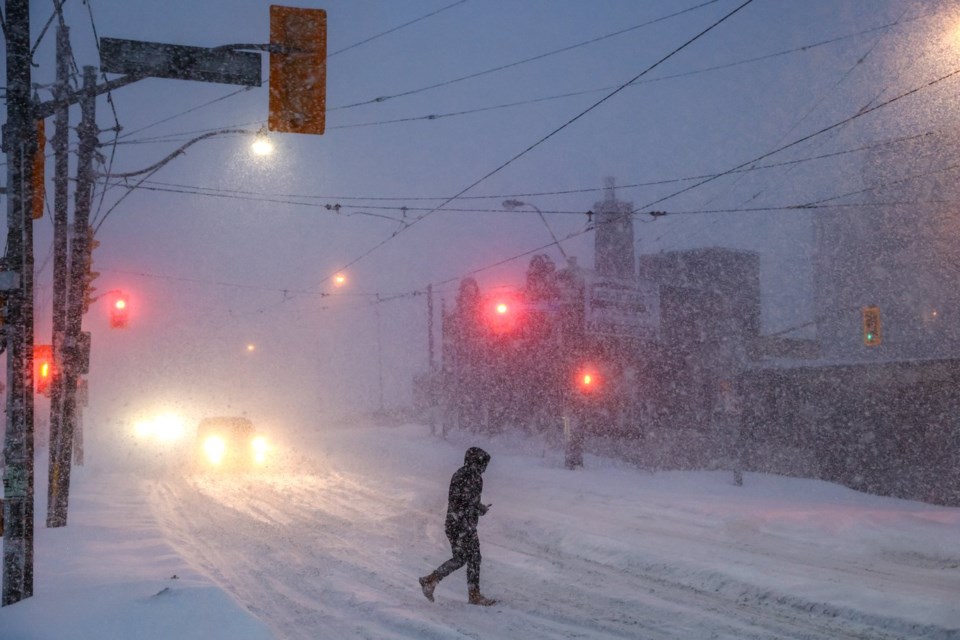
The impact could be especially meaningful for predicting extreme weather events—something Canadians are increasingly experiencing, from powerful winter storms in cities like Toronto to heat waves and severe wind systems across the country. Officials say the hybrid system will not only improve accuracy but also extend it, with six-day forecasts expected to be as reliable as previous five-day predictions. That added day of dependable forecasting could make a crucial difference for families, businesses, and emergency services planning ahead.
Speed is another key advantage. By processing massive volumes of historical and real-time data in minutes, AI allows meteorologists to identify developing systems earlier than ever before. This means earlier warnings for major weather threats—giving communities more time to prepare, respond, and stay safe.
However, experts caution that while the technology is promising, it is not without its challenges. Veteran meteorologists like Cindy Day point out that rapidly changing climate patterns may limit the usefulness of historical data alone. As weather systems become more unpredictable, human expertise remains essential in interpreting results and ensuring forecasts are communicated clearly and responsibly.
That human element, officials emphasize, is not going anywhere. Meteorologists will continue to play a critical role in analyzing forecasts and guiding public understanding, ensuring that advanced technology enhances—not replaces—professional judgment.
For communities across Canada, including growing regions like Brampton and the Peel area, the move signals a future where weather forecasting is not only smarter but more responsive to real-world risks. As climate challenges intensify, the ability to anticipate and prepare becomes more than a convenience—it becomes a necessity.
With AI now entering the forecast, Canada is taking a forward-looking step toward safer, more informed communities—where better predictions can ultimately lead to better protection.