

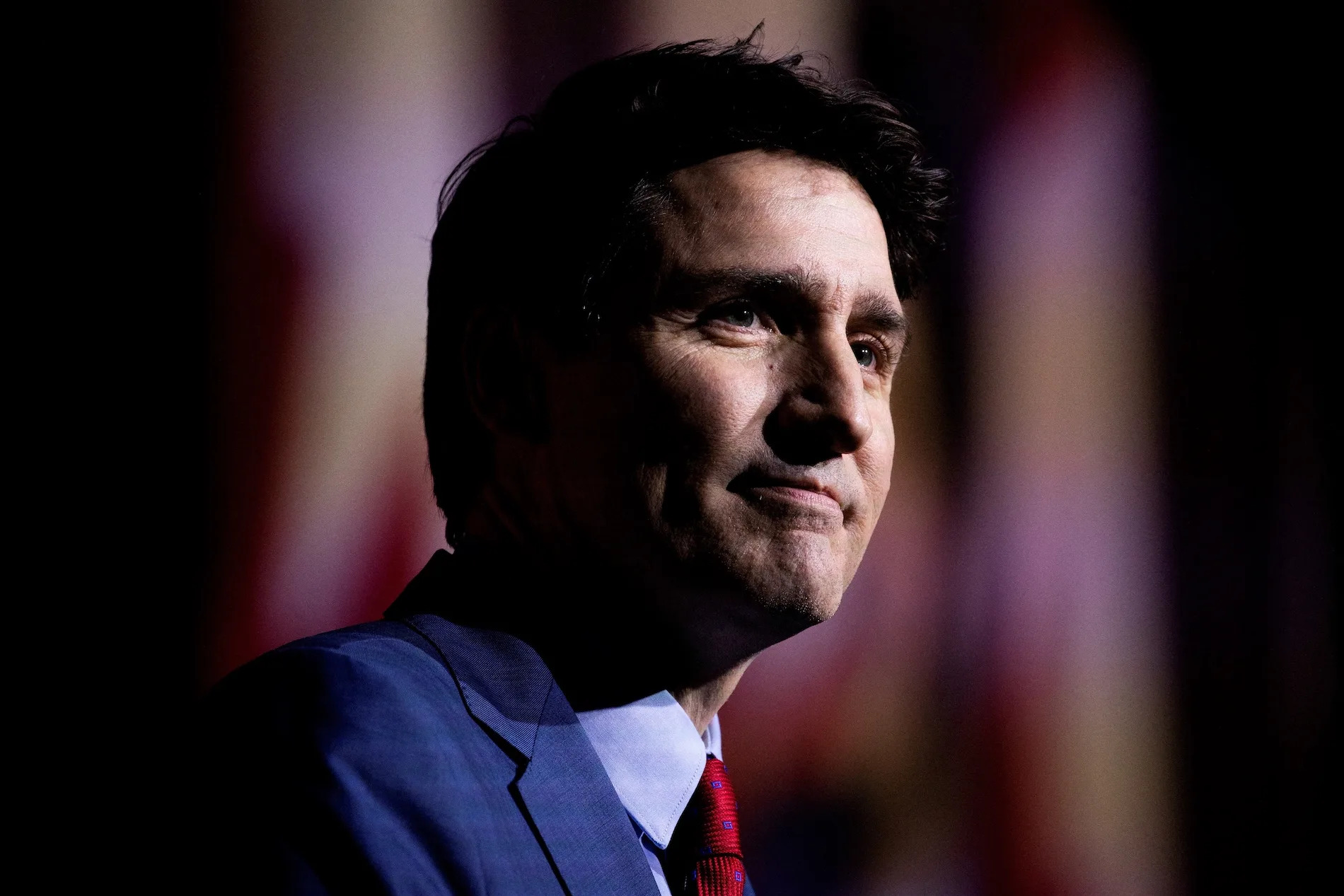
After nearly a decade at the helm of Canadian politics, Prime Minister Justin Trudeau announced his resignation as the leader of the Liberal Party. In a move that underscores the magnitude of the political transition, Trudeau also prorogued Parliament until March 24, 2025, providing the Liberal Party a much-needed pause to regroup and chart a new path forward. This announcement marks the end of a defining era in Canada’s political history and raises questions about the future direction of the Liberal Party and the nation.
A Decade of Leadership: Achievements and Legacy
Justin Trudeau first captured the national imagination in 2015 with his message of hope, inclusivity, and “sunny ways.” His leadership brought significant accomplishments that have shaped Canada’s modern identity.
Social Progress
One of Trudeau’s landmark achievements was the legalization of cannabis in 2018, a move that regulated the industry, generated tax revenue, and diminished the black market. Under his tenure, the Canada Child Benefit was introduced, reducing child poverty and providing financial relief to millions of families. He also championed diversity, appointing a gender-balanced cabinet and advocating for LGBTQ+ rights, setting new standards for representation in Canadian politics.
Environmental Leadership
Trudeau positioned Canada as a leader in global climate action, introducing carbon pricing to reduce greenhouse gas emissions and committing the country to achieve net-zero emissions by 2050. His government invested in renewable energy projects and prioritized sustainability in international forums, earning Canada recognition for its environmental policies.
Pandemic Management
During the COVID-19 pandemic, Trudeau led one of the world’s most comprehensive vaccination campaigns and implemented financial relief programs such as the Canada Emergency Response Benefit (CERB). These measures helped stabilize the economy and support Canadians during unprecedented times.
Indigenous Reconciliation
Trudeau took steps toward reconciliation, apologizing for Canada’s colonial history and investing in clean water, housing, and education for Indigenous communities. While progress was made, critics argue that many promises, including the complete eradication of boil-water advisories, remain unfulfilled.
International Relations
On the global stage, Trudeau successfully renegotiated NAFTA into the USMCA, ensuring trade stability with Canada’s largest partners. He supported Ukraine during Russia’s invasion and strengthened Canada’s presence in international forums like the G7 and United Nations.
Challenges and Failures
While Trudeau’s tenure brought significant progress, it was not without controversy and setbacks that ultimately contributed to declining public support.
Ethics and Controversies
Trudeau’s leadership was marred by multiple ethics violations, including the SNC-Lavalin affair and the WE Charity controversy, which raised questions about transparency and accountability. These incidents significantly tarnished his image and eroded trust among voters.
Housing and Affordability Crisis
Despite early promises to make housing more affordable, Canada faced a worsening housing crisis under Trudeau’s leadership. Rising real estate prices and rental costs left many Canadians struggling, with affordability becoming a key electoral issue.
Western Alienation
Trudeau’s environmental policies, including the carbon tax, alienated Western provinces like Alberta and Saskatchewan, where economic concerns related to the energy sector took center stage. Efforts to balance environmental priorities with resource-based economies often fell short.
Foreign Policy Missteps
Relations with China and India deteriorated during Trudeau’s tenure. The diplomatic standoff over the detention of Huawei CFO Meng Wanzhou and the retaliatory imprisonment of two Canadian citizens strained ties with China. Meanwhile, allegations of India’s involvement in extrajudicial activities on Canadian soil further damaged bilateral relations.
Immigration Delays
While the government set ambitious immigration targets, processing delays and backlogs frustrated applicants and stakeholders. Critics also pointed to insufficient support for newcomers, particularly in housing and employment.
Trudeau’s Resignation: Timing and Implications
Trudeau’s decision to resign comes at a time of political turbulence, with the Liberal Party facing declining support in polls and increasing voter dissatisfaction. In his resignation speech, Trudeau acknowledged the challenges facing the nation and emphasized the need for fresh leadership to address the evolving needs of Canadians.
The decision to prorogue Parliament until March 24, 2025, has drawn mixed reactions. Supporters argue that the pause will allow the Liberals to focus on internal renewal and prepare for the leadership race. However, critics contend that proroguing Parliament leaves pressing legislative issues unresolved at a time of economic uncertainty.
Future of the Liberal Party
The Liberal Party now faces a critical period of transition and renewal. The upcoming leadership race is expected to feature prominent contenders such as Deputy Prime Minister Chrystia Freeland, Innovation Minister François-Philippe Champagne, and former Bank of Canada Governor Mark Carney. The new leader will inherit the task of addressing key challenges, including:
- Affordability and Housing: Introducing tangible solutions to address the housing crisis and rising cost of living.
- Climate Action: Strengthening environmental policies while balancing economic growth.
- Public Trust: Rebuilding credibility following ethics scandals and policy shortcomings.
Canada’s Political Landscape
Trudeau’s resignation reshapes the political landscape as the Conservative Party, led by Pierre Poilievre, gains momentum. Poilievre has positioned himself as a champion of affordability and economic reform, resonating with voters disillusioned by the Liberal government. The NDP, under Jagmeet Singh, and the Bloc Québécois are also expected to capitalize on the Liberals’ vulnerability, particularly in regions where support for the party has waned.
Overall Assessment of Trudeau’s Tenure
Justin Trudeau’s tenure as Prime Minister leaves a mixed legacy. He will be remembered for championing progressive values, modernizing Canada’s social fabric, and leading with optimism and inclusivity. However, his leadership was also characterized by ethical controversies, economic challenges, and unmet expectations on key issues like housing and reconciliation.
Trudeau’s ability to connect with younger voters and marginalized communities redefined political engagement in Canada. Yet, as tangible results fell short, his popularity waned, underscoring the challenges of navigating a polarized and demanding political environment.
A New Era for Canada
As Trudeau steps down, Canada faces a pivotal moment in its political history. The Liberal Party must redefine its vision and reconnect with Canadians to remain competitive in the next election. Meanwhile, Trudeau’s resignation opens the door for new leadership to address the nation’s pressing challenges and lead Canada into its next chapter.