

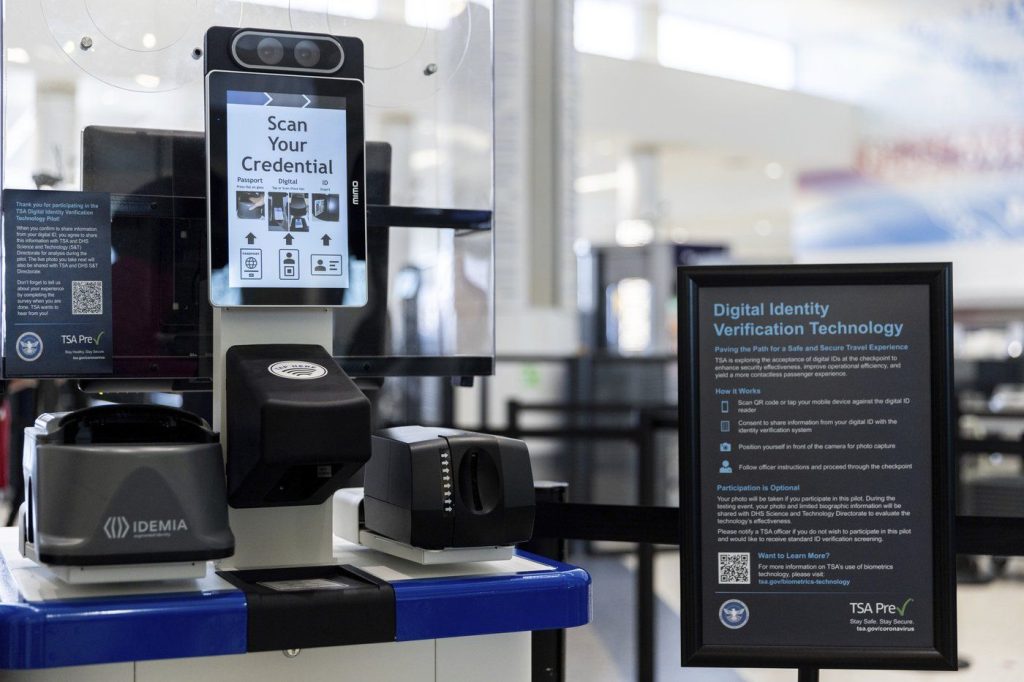
Air Canada has taken a significant step forward in travel innovation by becoming the first Canadian airline to implement facial recognition technology at boarding gates. This move aims to streamline the boarding process, providing a seamless and efficient experience for travelers.
Starting Tuesday, passengers on most domestic Air Canada flights departing from Vancouver International Airport can board their flights without presenting traditional forms of identification, such as passports or driver’s licenses. The voluntary program allows participants to upload a photo of their face and a scan of their passport via the airline’s mobile app.
Expanding the Digital ID Program
The facial recognition system, initially launched as a pilot project in February 2023, is already available at Air Canada’s Maple Leaf lounges in Toronto, Calgary, and San Francisco. The airline plans to expand the digital ID boarding option to additional Canadian airports “in the near future,” enhancing accessibility and convenience for passengers across the country.
Keeping Pace with Global Trends
While Canadian carriers have been slower to adopt biometric technology compared to their international counterparts, Air Canada’s initiative aligns with a growing trend among airlines worldwide. U.S. airlines like Delta have implemented facial recognition at airports in Atlanta, Detroit, Los Angeles, and New York City, enabling travelers to check bags, pass through security, and board flights with a simple facial scan. In Europe, Frankfurt Airport has been using biometric boarding since 2020, making the process entirely ID-free.
Addressing Privacy and Ethical Concerns
As with any biometric system, Air Canada’s facial recognition technology raises questions about privacy and data security. John Gradek, an aviation management expert at McGill University, highlighted the need for transparency in managing data flow, usage, and deletion.
“It’s privacy and control of the data and who gets to see it. How are you going to eliminate the data, or how are you going to manage the flow of that data?” Gradek said. He also noted potential concerns over job reductions with automated systems replacing traditional gate agents.
To address these issues, Air Canada emphasizes that passengers’ personal information is encrypted during transmission and processing. Data is used exclusively for digital ID purposes and is deleted from the airline’s systems 36 hours after a flight’s departure.
“In terms of privacy, that consideration has been at the forefront of the development of this technology and something that is very important to Air Canada,” said Peter Fitzpatrick, spokesperson for the airline.
Fitzpatrick also assured passengers that the system operates independently of government programs such as Nexus, which facilitates quicker border crossings for pre-approved travelers.
With plans to roll out this technology to more airport gates across Canada, Air Canada is positioning itself as a leader in biometric travel solutions. While the system promises convenience and efficiency, its implementation will continue to be guided by stringent privacy considerations and public feedback.