

GLOBAL MARKETS — Oil prices surged above $100 a barrel on Wednesday for the first time since July, as escalating U.S.-Iran hostilities and fresh Houthi attacks on Saudi energy facilities raised fears of further disruption to global supplies.
Brent crude, the international oil benchmark, briefly crossed $100 before easing to around $99.90 a barrel. Before the current conflict began, Brent was trading at roughly $70, highlighting the dramatic impact of Middle East tensions.
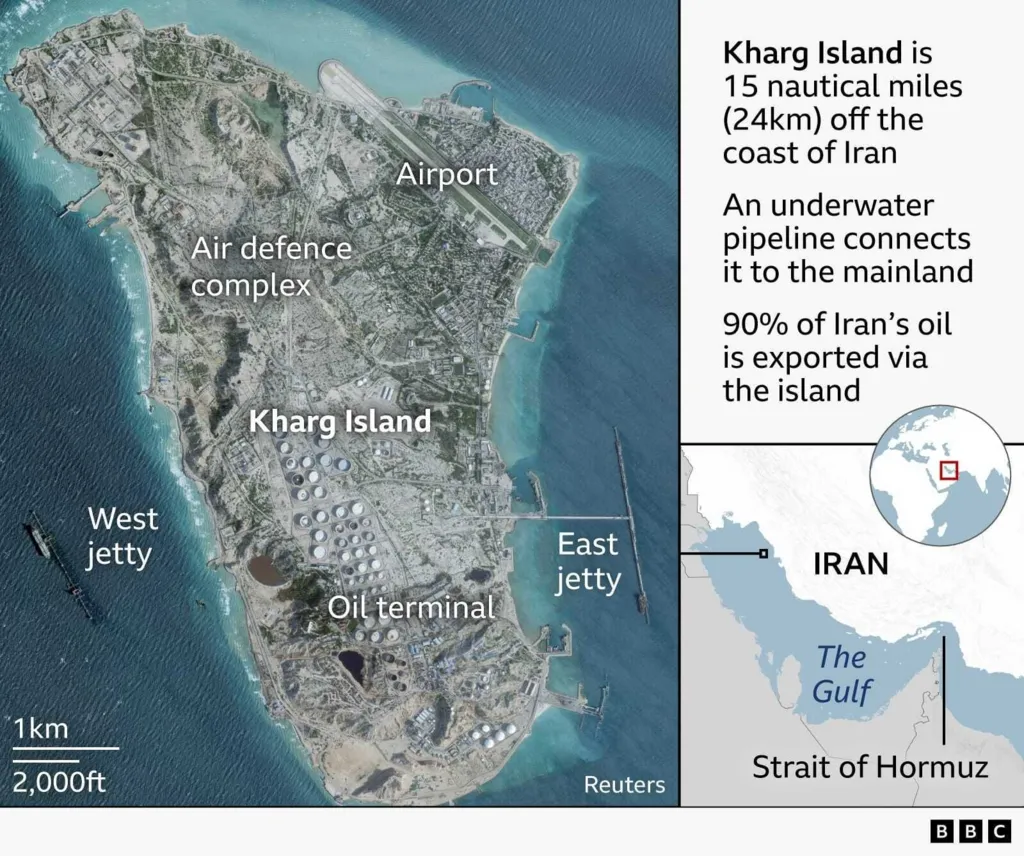
The latest surge followed U.S. strikes on five Iranian oil tankers, launched after Iran targeted an American warship. Iran subsequently fired missiles toward a U.S. base in Jordan and said it had attacked U.S. vessels and oil tankers around the Strait of Hormuz.
Meanwhile, Yemen’s Iran-backed Houthi movement attacked Saudi energy facilities and civilian infrastructure, reportedly injuring 73 people and temporarily disrupting operations at some oil installations.
A major concern for global markets remains the Strait of Hormuz, through which roughly 20% of the world’s oil and liquefied natural gas normally passes. The conflict has effectively closed the crucial shipping route, putting additional pressure on energy supplies and fuel prices worldwide.
With tensions continuing and attacks affecting tankers and energy infrastructure, any further escalation could push oil prices above $100 again — potentially translating into higher gasoline, transportation and consumer costs around the world.