

WASHINGTON — September 3, 2026 — U.S. Secretary of State Marco Rubio has warned countries against helping Iran bypass American sanctions, saying nations that create mechanisms allowing Tehran to generate revenue could themselves face U.S. penalties.
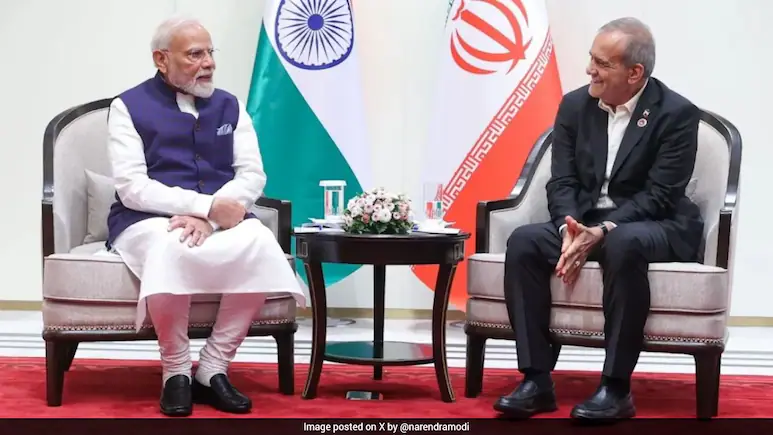
Rubio made the comments following reports suggesting India and Iran could be moving toward closer trade ties after Indian Prime Minister Narendra Modi met Iranian President Masoud Pezeshkian on the sidelines of the 26th Shanghai Cooperation Organisation Summit in Bishkek, Kyrgyzstan.
The U.S. Secretary of State, however, played down suggestions that India and Iran were preparing to enter into a formal trade agreement.
“I don’t think there’s a trade deal between India and Iran,” Rubio said during an interview with The Brian Kilmeade Show.
Rubio acknowledged that countries develop their own foreign policies and that many governments around the world maintain communication with Tehran. He pointed out that Washington itself has had contacts with representatives of the Iranian government as part of diplomatic discussions.
However, Rubio said the Trump administration remains firmly opposed to any country helping Iran circumvent U.S. economic restrictions.
He reiterated President Donald Trump’s position that countries should not assist Tehran in developing financial mechanisms that could allow it to generate revenue despite international sanctions.
Rubio warned that Washington could impose sanctions on countries that decide to provide such assistance, arguing that the Iranian government could use additional revenues to support armed groups and advance its nuclear ambitions.
The comments could carry particular significance for countries maintaining economic relations with Iran, including India, as Washington continues efforts to tighten financial pressure on Tehran.
Rubio said preventing Iran from acquiring a nuclear weapon remains one of the Trump administration’s central foreign policy objectives.
He said Iran would not be permitted to possess a nuclear weapon while Trump remains president and indicated that economic pressure would continue to be Washington’s primary tool for influencing Tehran.
At the same time, Rubio said the United States continues to reserve the option of military action when Washington considers it necessary to protect American interests or prevent Iran from threatening other countries.
The warning comes amid continuing tensions between Washington and Tehran following months of conflict and military confrontation in the Middle East.
Trump said U.S. forces had recently carried out what he described as a “very heavy attack” against Iranian targets and warned that American forces were prepared to conduct further strikes if necessary.
Iran, meanwhile, has signalled that it is adopting a new approach to the conflict. Supreme National Security Council Secretary Mohsen Rezaei said Tehran was developing a “new strategy” involving the battlefield, diplomacy and efforts to counter the economic blockade imposed against the country.
The latest exchange of warnings highlights the continuing confrontation between Washington and Tehran, with economic sanctions, Iran’s nuclear program and its regional activities remaining at the centre of the dispute.
For India and other countries maintaining relations with Iran, Rubio’s comments also underline the potential risks of expanding economic cooperation with Tehran while U.S. sanctions remain in force.