

Toronto, July 22: Northern Ontario continues to face one of the most severe wildfire seasons in its history, with 173 active wildfires burning across the region as firefighters battle rapidly spreading blazes that have already scorched a record amount of forest land.
According to Ontario’s Ministry of Natural Resources, 12 new wildfires were reported during the past 24 hours, adding to an already overwhelming wildfire emergency.
Preliminary estimates indicate that more than 7,250 square kilometres of forest have burned so far this season—surpassing all previous annual wildfire records in the province.
Officials say the majority of the destruction has occurred within the past 10 days, as extreme weather conditions, high temperatures and dry forests fuelled the rapid spread of numerous fires.
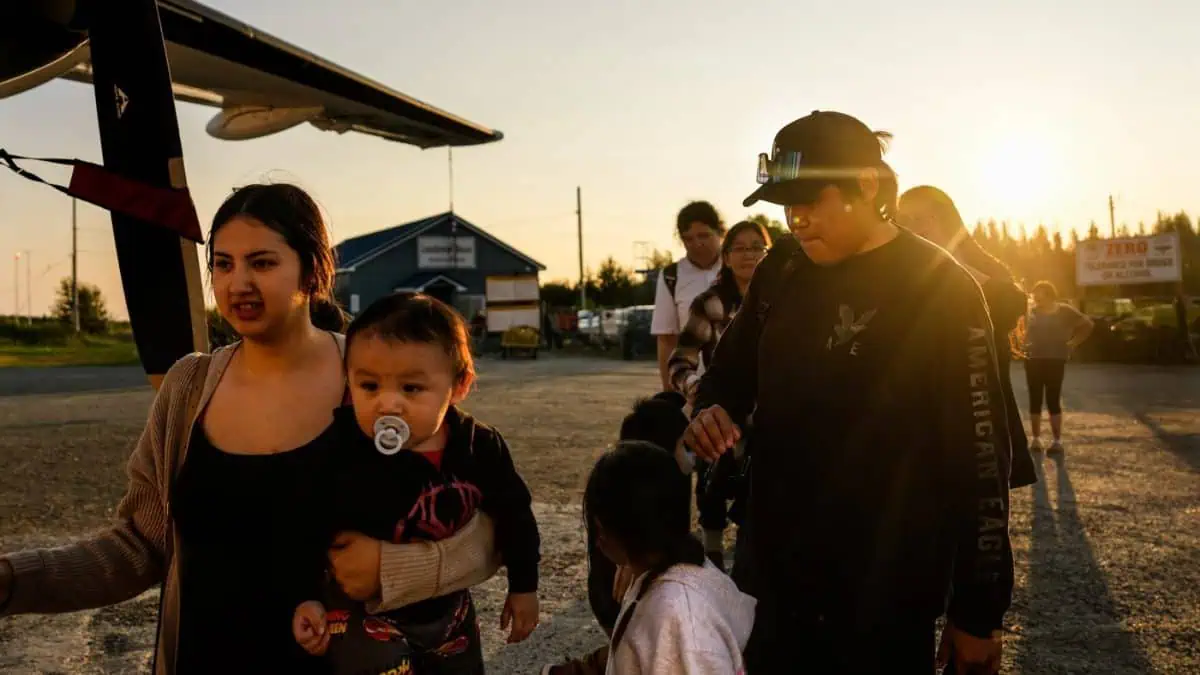
The wildfire emergency has forced more than 1,800 residents to evacuate their homes. Of the 13 communities evacuated so far, 12 are First Nations communities, many located in remote areas of Northern Ontario.
Among the affected communities is Neskantaga First Nation, where residents have been evacuated after local leadership declared a state of emergency due to the advancing wildfires and deteriorating weather conditions.
Growing frustration over the emergency response has led First Nations leaders to call for a public inquiry into Ontario’s handling of the wildfire crisis.
Community leaders argue that many Indigenous communities were left without timely support and had to organize emergency evacuations under extremely difficult circumstances.
Ontario Premier Doug Ford defended the province’s response, stating that the government has done everything possible to assist affected communities.
Provincial officials noted that several wildfires spread with exceptional speed and, in some cases, were detected only after they had already advanced dangerously close to remote First Nations.
Emergency crews from Ontario and other jurisdictions continue working to contain the fires while assisting evacuees and protecting vulnerable communities.
With wildfire season expected to continue for several more weeks, officials are urging residents in affected regions to remain alert, monitor emergency updates and follow evacuation orders whenever issued.
The unprecedented wildfire activity has highlighted the increasing challenges posed by extreme weather conditions and has renewed calls for stronger emergency preparedness and long-term wildfire management strategies across Northern Ontario.