

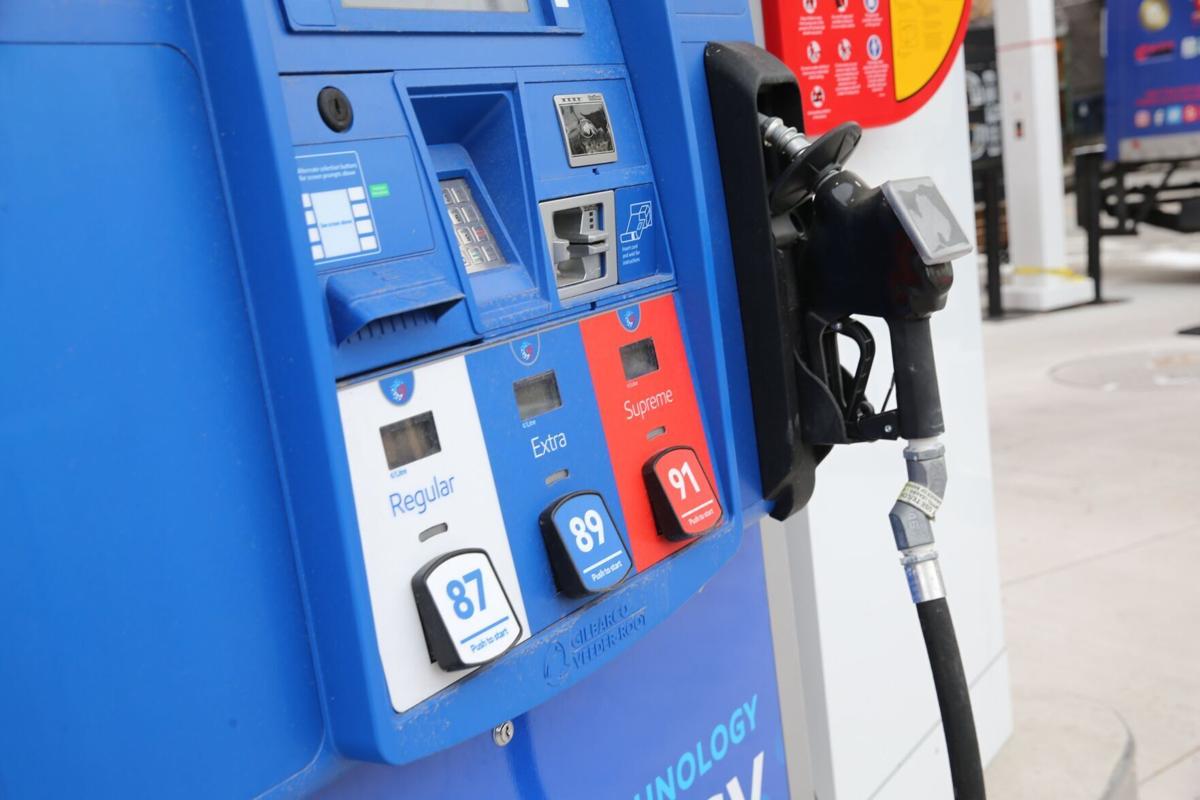
Ontario motorists can expect fluctuating fuel prices throughout the weekend as global oil markets continue to respond to renewed geopolitical tensions in the Middle East and uncertainty surrounding shipping through the strategically important Strait of Hormuz.
Gasoline prices are expected to rise by approximately five cents per litre on Saturday before dropping by four cents on Sunday. Diesel prices are forecast to follow a similar pattern, increasing by four cents per litre on Saturday and declining by three cents the following day. Fuel analysts expect prices to remain relatively stable through the beginning of next week after Sunday’s adjustment.
The short-term fluctuations reflect volatile trading in international oil markets over the past two days. Oil prices climbed after a commercial cargo vessel was struck near Oman, raising concerns about the security of shipping through the Strait of Hormuz, one of the world’s most important energy transportation corridors. Markets later stabilized as reports confirmed that commercial vessels continued to navigate the waterway despite heightened security concerns.
Although crude oil prices have largely returned to levels seen before the recent conflict involving the United States, Israel, and Iran, gasoline and diesel prices remain considerably higher. Industry experts attribute the continued increase to tighter supplies of refined petroleum products rather than crude oil prices alone. Strong seasonal demand combined with limited fuel availability has kept pump prices elevated across Ontario.
Before the recent conflict, drivers in the Greater Toronto Area were paying approximately 137.9 cents per litre for regular gasoline during peak pricing periods. Even after the expected decline on Sunday, motorists are projected to pay around 159.9 cents per litre, reflecting the continuing impact of global market uncertainty.
Fuel prices remain somewhat lower than they otherwise would have been due to the federal government’s temporary suspension of the federal excise tax on gasoline through Labour Day. The tax relief has reduced prices by approximately 11 cents per litre, providing some relief to Canadian drivers during the busy summer travel season.
The recent increase in fuel costs stems largely from disruptions affecting the Strait of Hormuz, a narrow waterway through which roughly one-quarter of the world’s seaborne oil and a significant portion of global liquefied natural gas supplies pass. Military tensions and shipping disruptions in the region have reduced the flow of energy supplies, placing upward pressure on fuel prices worldwide.
Because Canadian crude oil is traded on international markets, domestic fuel prices are directly influenced by global supply and demand, regardless of whether the oil is produced within Canada. As a result, geopolitical events thousands of kilometres away can have an immediate impact on prices paid by motorists at local gas stations.
Motorists looking to reduce fuel costs are encouraged to plan purchases strategically. Industry experts note that many service stations in the Greater Toronto Area often lower retail margins during the evening hours, making fuel purchases after 6:00 p.m. generally more economical. Drivers travelling outside major urban centres may also find lower prices in smaller communities, offering additional opportunities to save during summer road trips.
While day-to-day fluctuations are expected to continue, analysts believe elevated gasoline and diesel prices could persist for some time as international energy markets closely monitor developments in the Middle East and the stability of global oil supplies.