

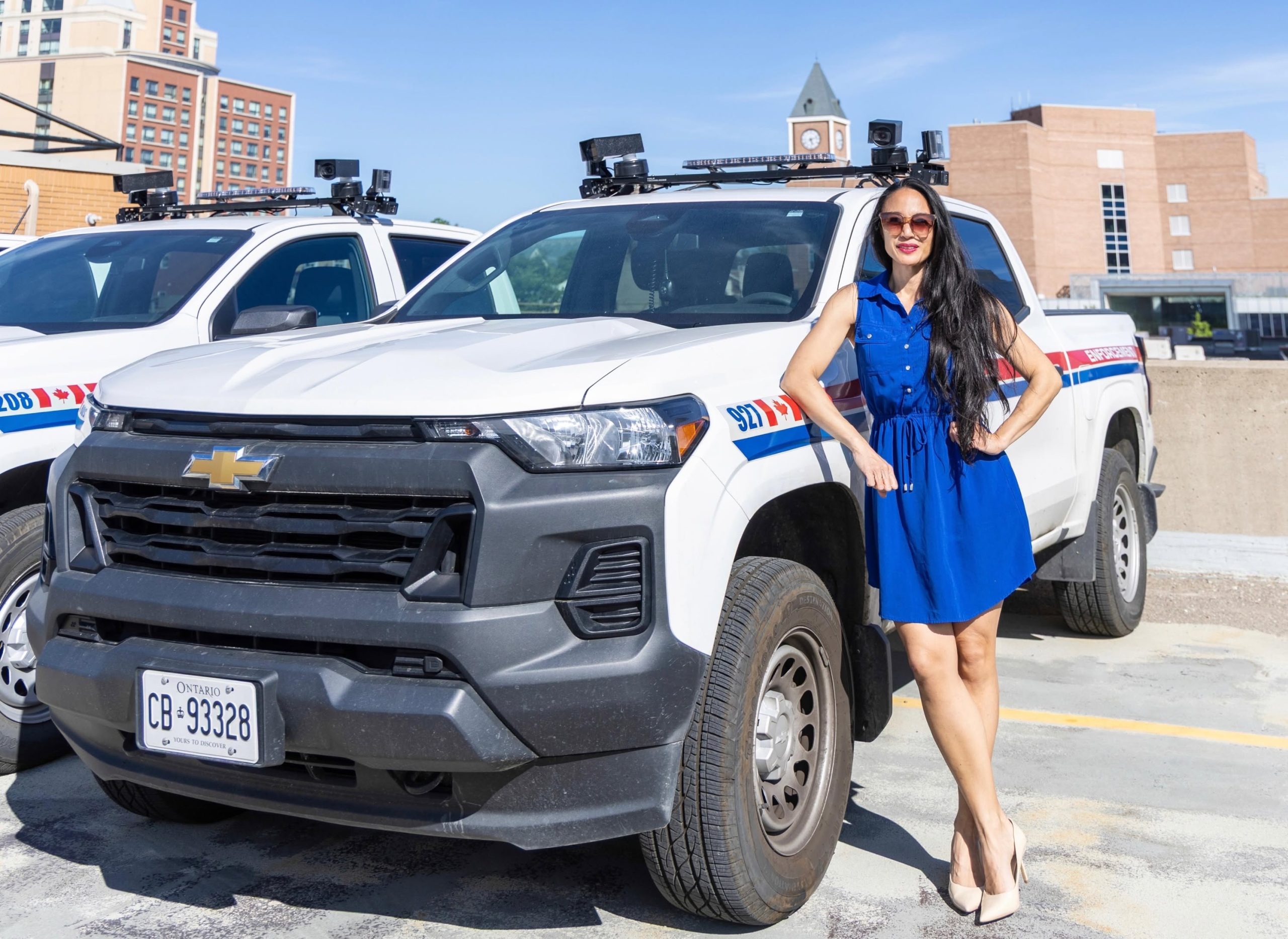
Illegal parking continues to be the most frequent concern raised by Brampton residents, prompting the City of Brampton to expand its use of advanced technology to improve parking enforcement and enhance neighbourhood safety.
The city has announced the expansion of its Automated Licence Plate Recognition (ALPR) program, with seven AI-enabled units now fully operational on by-law enforcement vehicles. The technology is designed to help officers identify parking violations more efficiently, improve compliance with parking regulations, and focus enforcement efforts on areas experiencing recurring parking issues.
According to city officials, illegal parking remains the number one complaint received from residents, particularly in neighbourhoods where parked vehicles create congestion, block sidewalks, restrict visibility, and hinder access for emergency vehicles. Concerns regarding blocked fire routes, obstructed driveways, and vehicles parked in prohibited areas continue to generate thousands of service requests annually.
Regional Councillor Rowena Santos recently highlighted the issue, stating that illegal parking continues to be the top concern brought forward by residents across the city. She welcomed the expansion of the city’s AI-powered enforcement program as an important step toward improving compliance with parking regulations and creating safer, more accessible neighbourhoods.
The AI-powered system uses cameras mounted on enforcement vehicles to automatically scan licence plates and identify potential parking infractions. The technology assists officers in detecting vehicles that violate parking by-laws, including those exceeding permitted parking times or parking in restricted areas. Enforcement officers then verify violations before issuing penalties.
Brampton first introduced Automated Licence Plate Recognition technology as part of its efforts to modernize parking enforcement. The city reports that the system has improved efficiency and enabled officers to monitor larger areas while responding more effectively to resident complaints. The addition of seven operational units significantly expands the city’s enforcement capabilities.
Santos emphasized that safe and accessible neighbourhoods require cooperation from all residents. She noted that compliance with parking and street-use by-laws helps ensure that roads, sidewalks, and emergency access routes remain clear and accessible for everyone.
The city confirmed that parking enforcement officers continue to patrol Brampton streets 24 hours a day, seven days a week. Particular focus remains on violations that affect public safety, including blocked fire routes, obstructed emergency access points, and parking practices that create hazards for pedestrians and motorists.
Municipal officials say illegally parked vehicles can delay emergency response times, interfere with municipal operations, reduce visibility at intersections, and create accessibility challenges for seniors, persons with disabilities, and families using sidewalks and public spaces.
The expansion of the ALPR program forms part of Brampton’s broader strategy to leverage technology in improving community safety and municipal service delivery. City leaders believe the enhanced enforcement tools will help address one of the most persistent complaints from residents while promoting greater compliance with parking regulations.
As Brampton continues to experience rapid growth, officials are encouraging residents to do their part by following parking by-laws and respecting street-use regulations. The city maintains that responsible parking practices are essential to keeping neighbourhoods safe, accessible, and welcoming for all.