

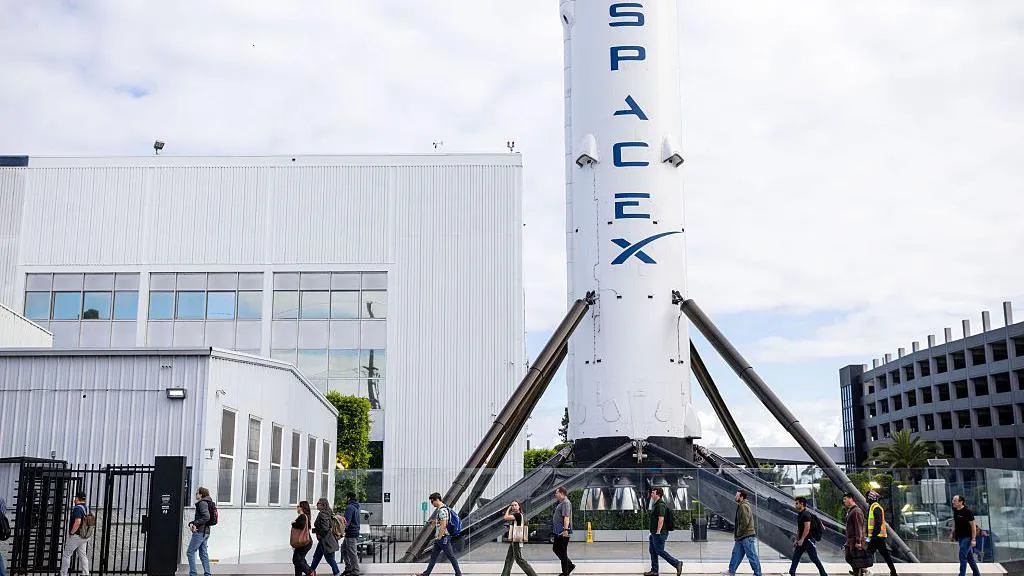
World’s Largest IPO Signals Growing Investor Confidence in Space Technology and Artificial Intelligence
Global financial markets are preparing for what could become the largest stock market debut in history as Elon Musk’s SpaceX has successfully raised an unprecedented US$75 billion ahead of its highly anticipated public listing.
The company disclosed in a filing with the U.S. Securities and Exchange Commission that it sold shares at US$135 each, matching its previously announced target price and valuing the company at approximately US$1.8 trillion.
If trading begins at or above that level, SpaceX will instantly become one of the world’s most valuable publicly traded corporations and cement its place among the elite ranks of global technology giants.
The historic offering also has major implications for Elon Musk, who already holds the title of the world’s richest person. With his substantial ownership stake and voting control, analysts estimate the listing could propel Musk toward becoming the world’s first trillionaire.
Investor Excitement Reaches Fever Pitch
Investor demand for SpaceX shares has been exceptionally strong, reflecting growing confidence in the future of space exploration, satellite communications, artificial intelligence, and advanced technology.
The company is initially making only five per cent of its shares available to public investors, a relatively limited supply that could place upward pressure on the stock price once trading begins.
Several investment firms have already expressed optimism regarding the company’s future valuation. Some analysts believe the stock could rise significantly above its IPO price, driven by strong retail and institutional demand.
The enthusiasm surrounding SpaceX extends beyond traditional investors. Individual investors from around the world have been eagerly awaiting the opportunity to purchase shares in a company that has transformed the commercial space industry over the past two decades.
From Startup Dream to Global Powerhouse
Founded by Elon Musk in 2002, SpaceX began as a highly ambitious startup with a mission to reduce the cost of space transportation and eventually enable human settlement on Mars.
The company’s early years were marked by technical setbacks, failed launches and financial uncertainty. Several rocket launches ended unsuccessfully before SpaceX achieved its first successful orbital mission in 2008.
Since then, the company has become a dominant force in the aerospace industry, pioneering reusable rocket technology, launching thousands of satellites through its Starlink network and securing billions of dollars in government and commercial contracts.
Today, SpaceX is widely recognized as the world’s leading private space company and a key player in both space exploration and communications technology.
AI Ambitions Add to Investor Appeal
While SpaceX remains best known for its rockets and satellite technology, many investors view the company as a broader technology and artificial intelligence play.
The company has increasingly integrated advanced AI systems into its operations, while Musk’s growing ecosystem of technology companies continues to attract investor attention.
Recent corporate transactions involving Musk-controlled ventures have strengthened ties between SpaceX and emerging artificial intelligence initiatives, fueling expectations that the company could play a significant role in shaping future technological innovation.
Governance Questions Remain
Despite investor excitement, some analysts have expressed concerns about SpaceX’s governance structure and valuation.
Unlike many large publicly traded corporations, SpaceX will remain firmly under Elon Musk’s control after the IPO. Through a combination of ownership interests and special voting rights, Musk is expected to maintain effective control of approximately 85 per cent of the company’s voting power.
This structure means Musk will continue to make key strategic decisions with limited outside influence.
Corporate governance experts note that such concentrated control can create risks for investors, particularly when decisions involve transactions between Musk’s various business interests.
Supporters argue, however, that Musk’s leadership has been instrumental in transforming SpaceX into one of the most innovative companies in the world and that maintaining his control helps preserve the company’s long-term vision.
A Defining Moment for Financial Markets
The SpaceX public offering is being closely watched by investors, regulators and technology companies around the world.
Many market observers believe the success or failure of the offering could influence upcoming public listings by other high-profile technology firms, including several major artificial intelligence companies preparing to enter public markets.
The IPO also arrives at a time when investor enthusiasm for technology, artificial intelligence and innovation remains exceptionally strong despite economic uncertainty in many parts of the world.
As trading begins, market participants will closely monitor whether SpaceX can justify its historic valuation and maintain investor confidence over the long term.
The company’s future success will depend on continued innovation, execution of its ambitious space exploration goals, expansion of its satellite business and its ability to generate sustainable profits from emerging technologies.
Regardless of the stock’s short-term performance, the public debut of SpaceX represents a landmark moment in financial history and a defining chapter in the remarkable rise of Elon Musk’s business empire.
For investors, it is both an opportunity and a gamble. For the global technology sector, it signals growing confidence that the future of space exploration and artificial intelligence may be among the most valuable industries of the coming decades.