

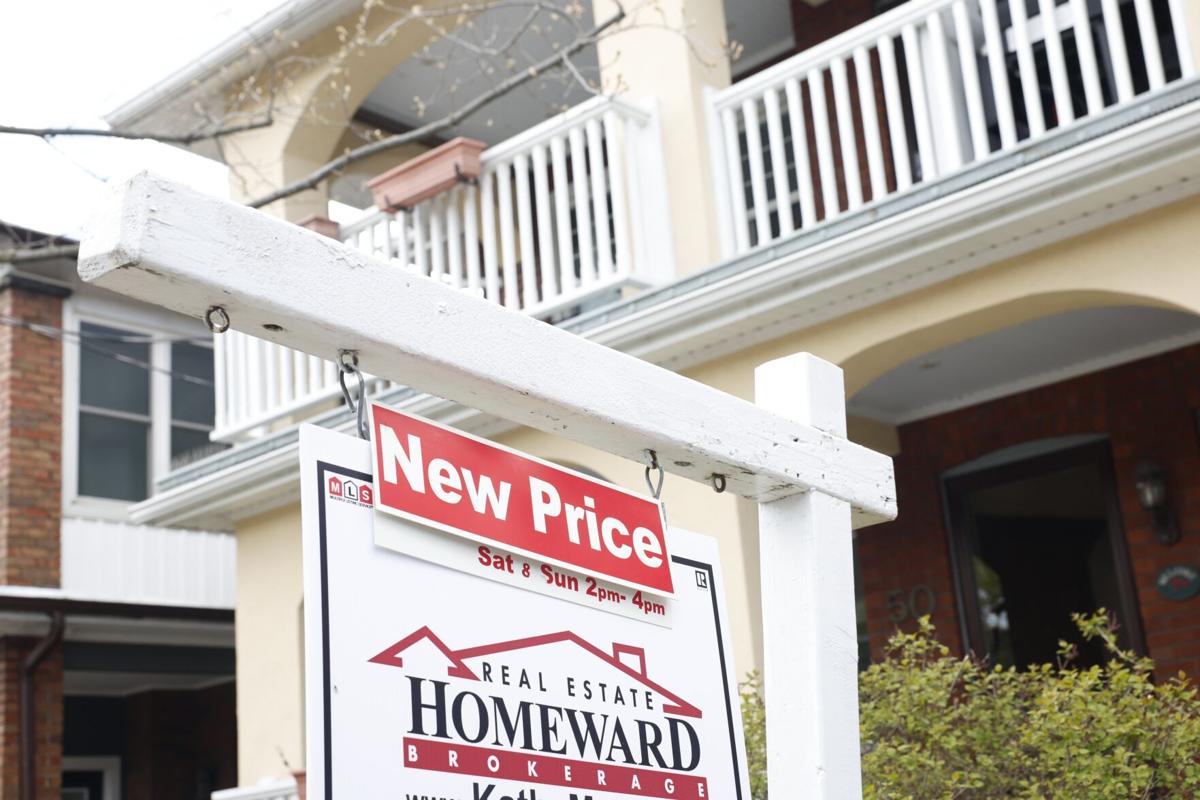
A growing number of homeowners across Ontario are falling behind on mortgage payments as higher interest rates, declining home values and affordability pressures continue to strain household finances, according to alarming new data released by Equifax Canada.
The latest Equifax report shows Ontario experienced the sharpest increase in serious mortgage delinquencies in the country during the first quarter of 2026, with the mortgage balance delinquency rate jumping 52 per cent compared with the same period last year.
The balance delinquency rate — which measures the proportion of mortgage balances where homeowners have missed payments for at least 90 days — rose from 0.24 per cent in early 2025 to 0.36 per cent in early 2026.
Although the overall percentage remains relatively small, financial experts warn the rapid increase signals mounting pressure within Ontario’s housing market, particularly in high-cost urban regions where homeowners took on large mortgages during the pandemic-era housing boom.
Rebecca Oakes, vice-president of advanced analytics at Equifax Canada, said homeowners in traditionally expensive markets such as the Greater Toronto Area are now facing severe payment shock as ultra-low mortgage rates expire and renew at significantly higher borrowing costs.
Ontario’s increase in mortgage distress outpaced the national average, where mortgage delinquency balances rose 32 per cent year-over-year. British Columbia also saw major pressure, recording a 36 per cent increase.
The report further found that Ontario’s mortgage volume delinquency rate — measuring the actual number of mortgages in serious arrears — rose nearly 38 per cent during the same period.
The financial strain appears especially severe in Brampton, which recorded the highest increases in mortgage delinquencies across the Greater Toronto Area.
Brampton’s mortgage delinquency volume jumped 63 per cent year-over-year, while delinquent mortgage balances climbed 64 per cent.
Meanwhile, Toronto itself also experienced major increases, with mortgage delinquency volumes rising 43 per cent and delinquent balances climbing 58 per cent.
Housing experts say the situation reflects the collision of several economic pressures affecting Ontario homeowners simultaneously.
Many buyers who purchased homes during the height of the pandemic housing frenzy in 2020 and 2021 locked into historically low mortgage rates that are now expiring.
As those mortgages renew at today’s significantly higher interest rates, monthly payments have risen sharply, leaving many households struggling to adjust.
At the same time, housing prices across the Greater Toronto Area have fallen substantially since peaking in early 2022.
According to the Toronto Regional Real Estate Board, average home prices in the GTA have dropped approximately 21 per cent from their February 2022 highs, with some communities experiencing even steeper declines.
The softer housing market is now making it harder for financially stressed homeowners to sell properties quickly to escape mounting debt pressures.
Oakes also noted that some consumers intentionally selected shorter mortgage terms, hoping interest rates would decline further before renewal. However, many of those shorter-term mortgages are now approaching renewal as rates remain elevated.
Equifax warns that additional payment shock may still be ahead over the next 12 months as more homeowners renew mortgages signed during the low-rate era.
The mortgage difficulties are occurring alongside broader financial stress across Canada.
Equifax previously reported that insolvency volumes — including bankruptcies and consumer proposals — have climbed nearly 19 per cent nationally to levels not seen since the aftermath of the 2008 financial crisis.
At the same time, Canadians appear to be reducing spending and borrowing less. The report found non-mortgage debt declined by approximately $487 million following the holiday season, suggesting many households are attempting to limit credit use amid growing economic uncertainty.
Experts warn that reduced consumer spending and rising household financial distress could eventually impact broader economic growth, employment levels and business activity if current trends continue.
The latest numbers now add to growing concerns that Ontario’s housing affordability crisis is evolving into a broader financial stability challenge affecting thousands of homeowners across the province.