

Canada is once again at the centre of an emotional and controversial national debate as discussions intensify over whether medically assisted dying should be extended to people suffering solely from severe mental illness.
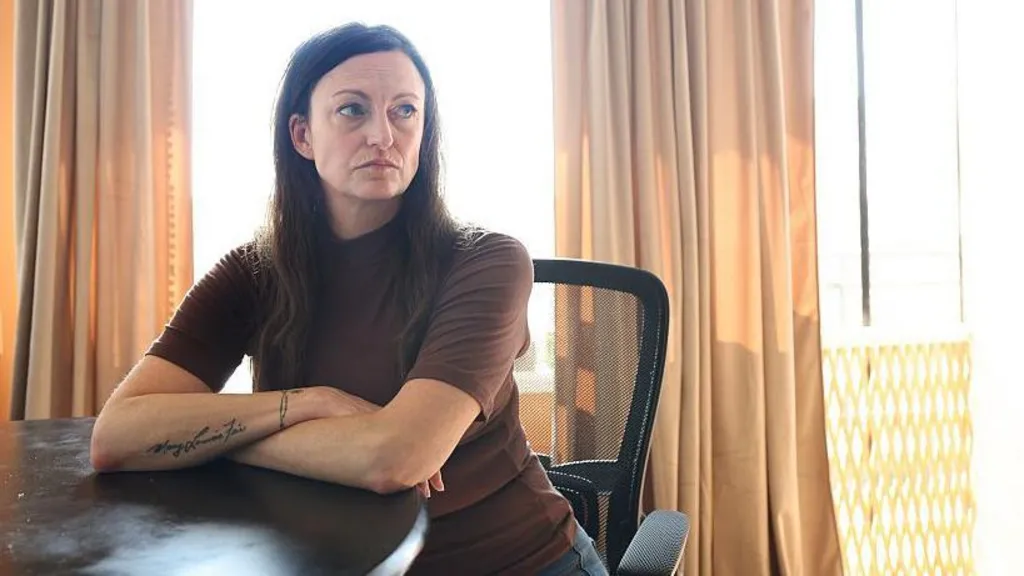
The debate has gained renewed attention following the legal challenge launched by Toronto resident Claire Brosseau, who says decades of treatment for bipolar disorder and post-traumatic stress disorder have failed to ease her suffering. The 49-year-old says she has undergone extensive psychiatric care, therapy, medication and even electroconvulsive treatments, but now considers her condition unbearable and irreversible.
Brosseau is asking the courts to grant her an exemption under Canada’s Medical Assistance in Dying (MAID) law, arguing that excluding mental illness from eligibility discriminates against people living with severe psychiatric conditions. She says patients with physical illnesses are given the right to make deeply personal decisions about suffering and death, while those with mental illness are denied the same dignity and autonomy.
Her case has reignited a heated national conversation involving lawmakers, psychiatrists, disability advocates, legal experts and healthcare professionals across the country.
Canada currently allows medically assisted dying for individuals suffering from grievous and irremediable physical illnesses, including some whose deaths are not reasonably foreseeable. However, eligibility for those whose sole condition is mental illness remains suspended after the federal government delayed implementation amid growing concerns about safeguards and system readiness.
Prime Minister Mark Carney has said the federal government will wait for recommendations from a parliamentary committee before making any final decision on the future of the legislation.
Supporters of expanding MAID eligibility argue that severe psychiatric suffering can, in some cases, become chronic, treatment-resistant and just as painful as physical illness. They believe mentally ill Canadians should not be treated differently under the law simply because their suffering is psychological rather than physical.
Critics, however, warn that mental illnesses can fluctuate over time and that recovery may still be possible even after years of unsuccessful treatment. Some psychiatrists and disability advocates fear that expanding assisted dying could place vulnerable Canadians at greater risk, especially those struggling with poverty, isolation, housing insecurity or limited access to mental healthcare.
The debate has also raised broader concerns about whether Canada is investing enough in mental health services and disability supports before expanding access to assisted death. Advocacy groups argue that many Canadians are suffering not only because of illness, but also because of social neglect and inadequate support systems.
Countries such as the Netherlands and Belgium already allow assisted dying for psychiatric illnesses under strict conditions, and Canadian lawmakers are closely studying those experiences as they weigh future policy decisions.
Meanwhile, Brosseau says she continues to live in constant emotional pain while waiting for answers from both the courts and the federal government. Her legal challenge is now becoming a defining test in Canada’s evolving debate over medical ethics, personal freedom, mental health and human dignity.
As Parliament prepares for further discussions later this year, Canadians remain deeply divided on where compassion ends and ethical boundaries begin.