

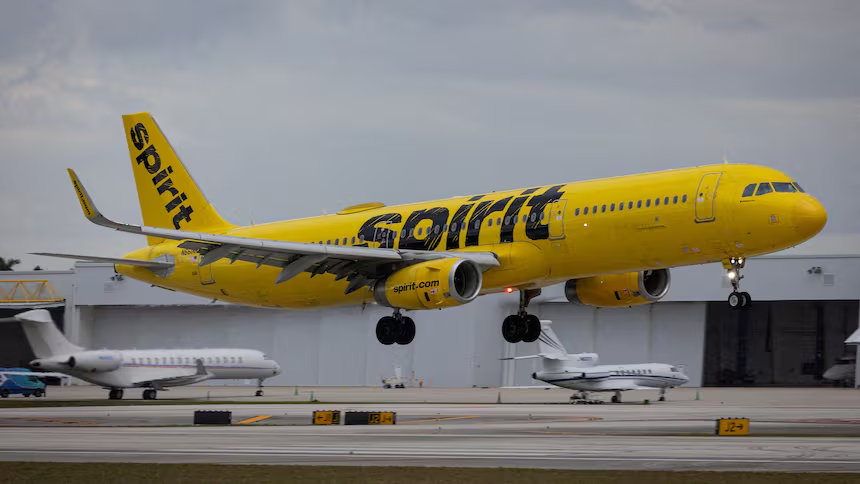
In a dramatic blow to the global aviation sector, Spirit Airlines has ceased operations, becoming the first major airline casualty linked directly to the ongoing Iran war and the resulting surge in fuel prices.
The U.S.-based discount carrier announced an “orderly wind-down of operations” after failing to secure creditor backing for a proposed $500 million government-supported bailout. All flights have been cancelled, with the airline advising passengers not to head to airports.
Spirit’s collapse marks the first liquidation of a U.S. airline of its size in over two decades. At its peak, the carrier accounted for roughly five per cent of domestic U.S. flights and played a key role in keeping airfares low through its ultra-budget model.
The airline’s downfall comes as global energy markets reel from disruptions tied to the conflict in the Middle East, particularly around the Strait of Hormuz — a critical shipping route for oil. The resulting spike in jet fuel costs has placed enormous pressure on airlines worldwide, especially those already operating on thin margins.
Spirit had built its business on low-cost travel, offering bare-bones fares with optional add-ons. However, shifting consumer preferences after the pandemic — with travellers increasingly willing to pay for comfort — had already weakened its financial position. The sudden doubling of fuel costs proved to be the final blow.
Efforts by the administration of Donald Trump to rescue the airline fell through after disagreements over the bailout plan and lack of interest from other carriers in acquiring the struggling company. Transportation officials reportedly explored potential buyers but found no viable options.
The shutdown is expected to result in thousands of job losses and significant disruption for travellers. Between May 1 and May 15 alone, Spirit had scheduled more than 4,000 flights, representing over 800,000 seats.
Industry analysts warn that Spirit’s collapse could be a sign of broader trouble ahead for the aviation sector. With jet fuel prices more than doubling — from around $2.24 per gallon to over $4.50 — weaker airlines may struggle to survive if the crisis persists.
Meanwhile, competitors such as JetBlue Airways, Frontier Airlines, and other major carriers are already stepping in with discounted “rescue fares” and expanded routes to accommodate stranded passengers.
The situation underscores how geopolitical conflicts can quickly ripple through global industries — with airlines, heavily dependent on fuel costs, among the most vulnerable.