

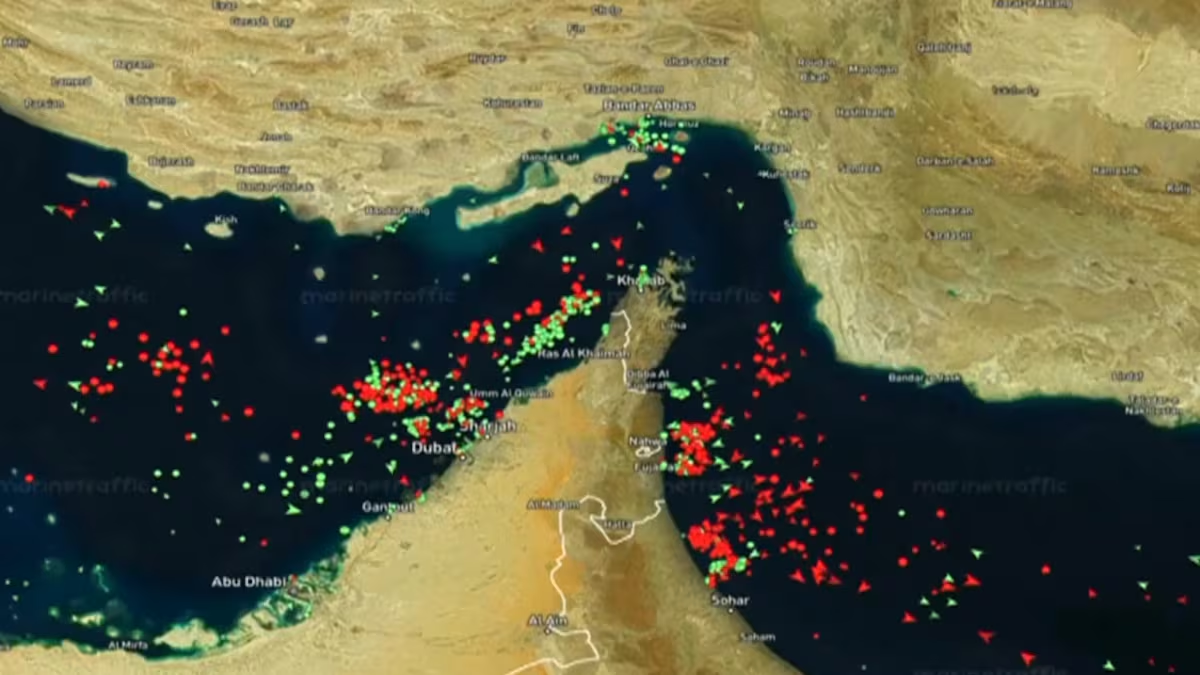
Tensions in the Middle East escalated again Wednesday after Iran reportedly fired on three commercial vessels in the Strait of Hormuz, even as U.S. President Donald Trump announced an indefinite extension of the ceasefire between Washington and Tehran.
According to reports, Iran’s paramilitary Revolutionary Guard attacked multiple ships moving through the vital waterway and allegedly seized two of them. Iranian state-linked media said the vessels were being escorted toward Iranian territory. A third ship was later reported to have come under attack near the Iranian coast.
The latest maritime assaults mark a serious escalation in the conflict and underscore that while airstrikes may have paused under the ceasefire, the shipping crisis in the Gulf remains far from resolved.
Trump’s decision to extend the truce had been expected to lower tensions, but he also reaffirmed that the United States would continue its blockade of Iranian ports. That move appears to have hardened Tehran’s position and complicated already fragile diplomatic efforts to restart negotiations.
The Strait of Hormuz is one of the world’s most important energy chokepoints, with roughly one-fifth of global oil and natural gas supplies passing through it during normal times. Continued disruption there has already driven up fuel prices worldwide and raised concerns about broader inflation, supply shortages and economic slowdown.
Following Wednesday’s attacks, Brent crude reportedly surged close to $100 a barrel, extending gains since the conflict began in late February.
Iranian officials have signalled that no new delegation will attend talks in Islamabad until the U.S. lifts its blockade. Pakistani authorities, who have been attempting to mediate the dispute, are reportedly still waiting for confirmation from Tehran on whether negotiations will proceed.
Meanwhile, regional tensions remain active beyond the Gulf. In Lebanon, one person was reported killed and two wounded in a drone strike in the village of Jabbour, despite an existing ceasefire there. Israel denied involvement.
The wider war has already caused thousands of deaths across Iran, Lebanon, Israel and Gulf states, while global markets continue reacting to every shift in the conflict.
For Canada and Ontario consumers, the impact is already being felt through higher gasoline and diesel prices, with analysts warning that any prolonged disruption in the Strait of Hormuz could keep energy costs elevated well into the summer.