

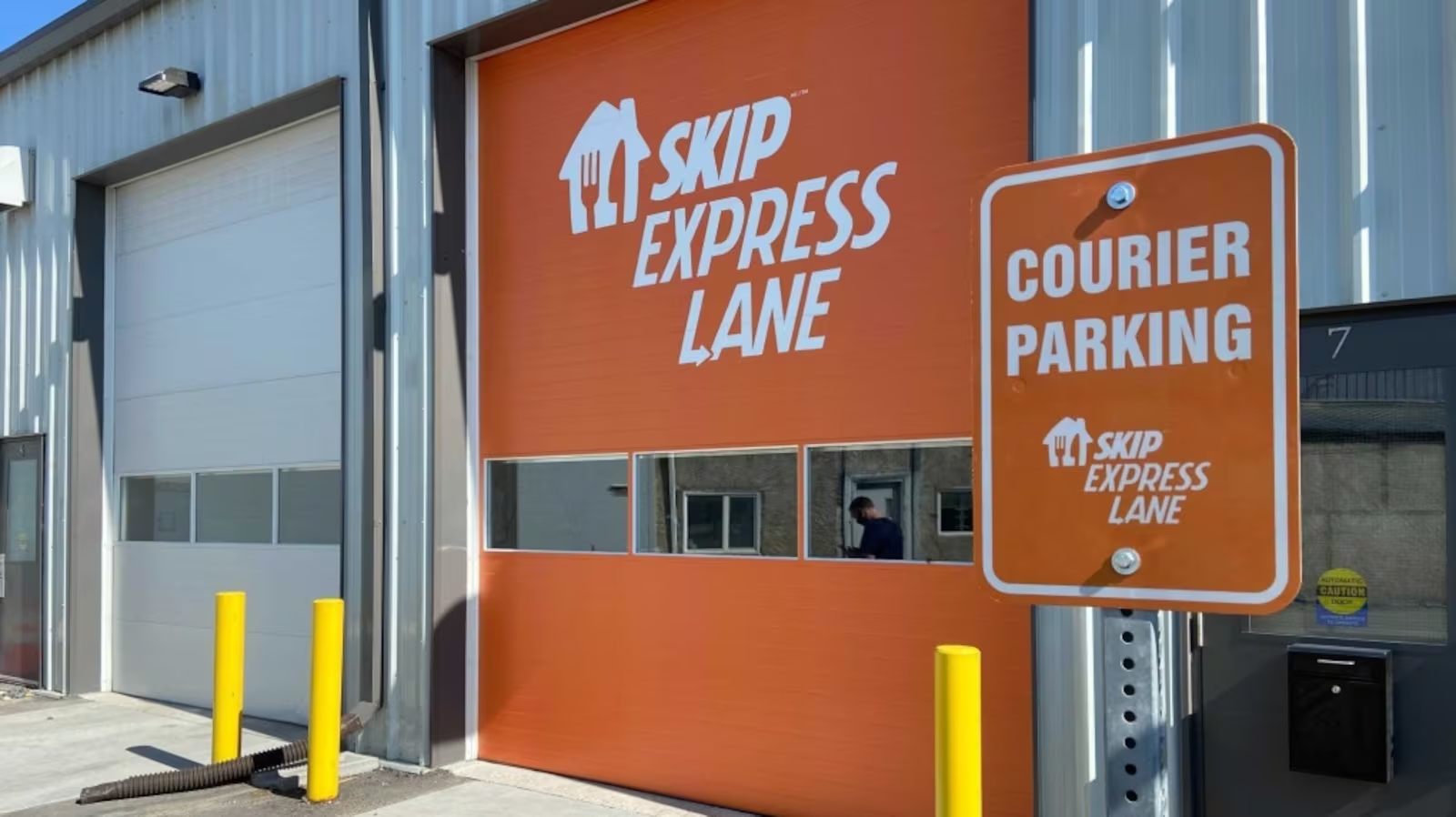
SkipTheDishes is restructuring its grocery delivery operations and laying off staff as it shifts away from its once-prominent Skip Express Lane service.
The company confirmed that changes to Skip Express Lane have resulted in job losses, though it has not disclosed how many employees will be affected.
In a statement, senior vice-president of partnerships Paul Sudarsan said the company recognizes the impact of the decision on workers and is committed to supporting affected staff. He also thanked employees for their contributions to building the business.
Skip launched Express Lane in 2021 during the rapid growth of app-based delivery services. The model promised delivery of groceries, household items and essentials in 25 minutes or less through dedicated fulfillment centres, often referred to as “dark stores” or “ghost warehouses.”
The first facility opened in Winnipeg, where SkipTheDishes was founded, with additional hubs later introduced in other Canadian cities. At the time, the company said the expansion could create roughly 1,000 jobs nationwide.
Now, the company appears to be pivoting toward partnerships with major retailers rather than operating its own inventory-heavy warehouse model. This week, Skip announced a deal with Loblaw that adds banners such as No Frills and Real Canadian Superstore to its delivery platform.
That agreement follows earlier partnerships with Walmart Canada and Shoppers Drug Mart, reflecting a broader strategy of connecting customers directly to established retailers.
Sylvain Charlebois said the move may reflect changing consumer habits and rising competition from larger U.S.-based rivals such as Uber Eats and DoorDash.
He noted that maintaining a nationwide network of dedicated warehouses is costly, especially as inflation-conscious consumers increasingly return to in-store shopping to compare prices and hunt for deals.
The shift marks another sign of how pandemic-era delivery models are being reshaped. What once seemed like the future of instant grocery shopping is now giving way to leaner, partnership-driven strategies focused on efficiency and scale.