

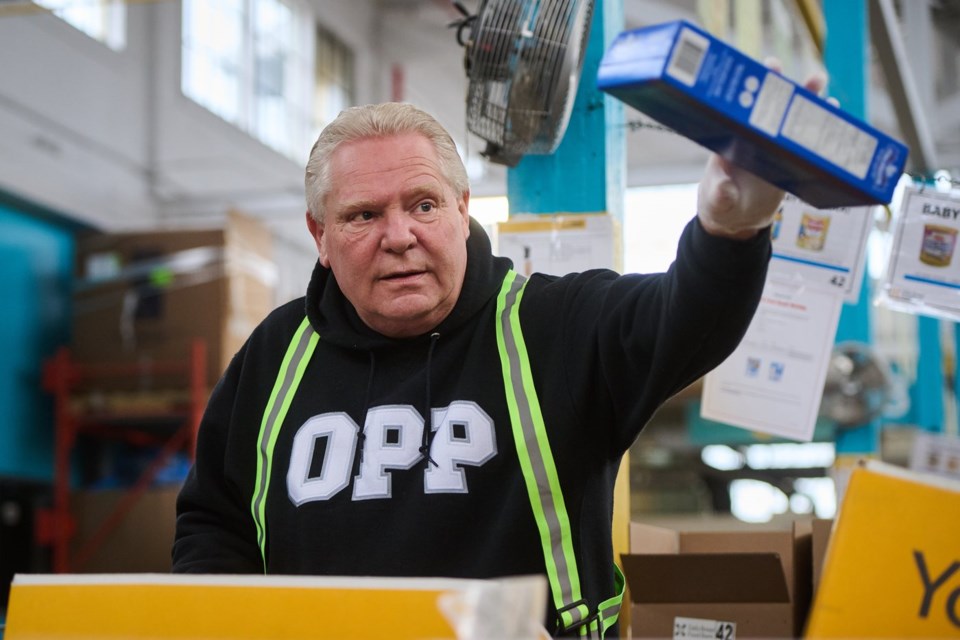
With food prices still a major concern for households across Ontario, Premier Doug Ford has rejected calls for a ban on so-called surveillance pricing in grocery stores, saying the province will rely on competition—not government intervention—to keep prices in check.
The debate centres on concerns that some retailers could use digital data, shopping habits, or online platforms to charge different prices to different customers for the same products. The issue gained attention after reports in the United States suggested certain online shoppers were offered different prices on identical grocery items through third-party platforms.
In response, Manitoba has moved toward banning what it describes as predatory pricing practices. Ontario, however, is taking a different path.
Speaking publicly, Ford said he believes in a free-market and capitalist system where competition drives better prices for consumers. He added that if evidence of collusion ever emerges, the province would act aggressively.
The comments come as affordability remains top of mind for residents in Brampton, Mississauga, Toronto and communities across the province, where grocery bills have become one of the biggest monthly pressures for families, seniors, and students.
Ford also criticized a planned municipal pilot project in Toronto involving city-run grocery stores, dismissing the idea and arguing government should not be entering the retail grocery business.
The larger conversation reflects a growing challenge facing governments everywhere: how to protect consumers in a digital marketplace where pricing can shift instantly, while still encouraging competition and investment.
For shoppers, the real question is simple—will groceries become more affordable? Whether through regulation, market forces, or new business models, Ontarians will be watching closely because every trip to the checkout now carries more weight than ever.