

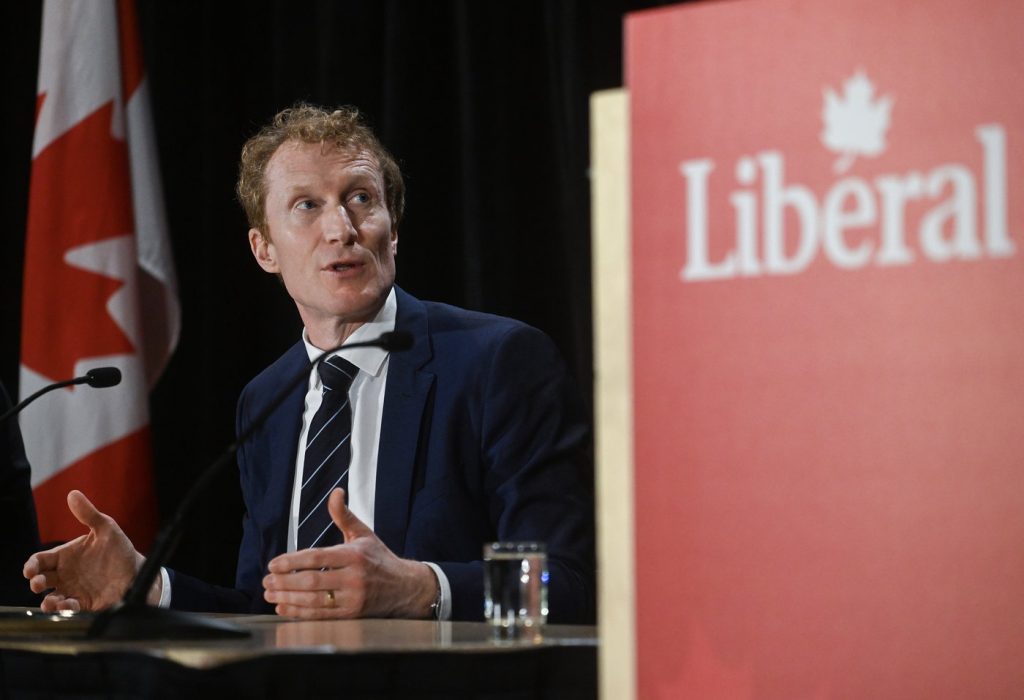
Canada could be heading toward one of its biggest digital policy shifts yet, as the federal government says it is “very seriously” considering a social media ban for children amid growing concerns over online harms, addiction, bullying and mental health risks facing young users.
The discussion gained momentum after members of the Liberal Party of Canada voted at their national convention in Montreal in favour of a proposal calling for 16 to become the minimum age for access to social media accounts. While the resolution is not binding, it has placed significant pressure on the government to act.
Culture Minister Marc Miller said party members had sent a clear message and the proposal deserves serious review. He also cautioned that age restrictions alone would not solve the broader problem of harmful online content, exploitation and dangerous digital behaviour.
The issue is resonating with parents across Canada, many of whom worry about the impact of constant screen time, cyberbullying, inappropriate content and the influence of algorithms designed to keep children engaged for longer periods. For families in communities across the GTA and beyond, the debate is no longer theoretical — it is part of daily life.
Other senior ministers signalled the idea is firmly on Ottawa’s radar. Public Safety Minister Gary Anandasangaree said the views of convention delegates would be taken seriously, while Justice Minister Sean Fraser said the government is reviewing multiple options with expert advice.
Canada is not alone. Australia became the first country to pass legislation enforcing age limits on social media accounts, and several European nations are considering similar measures. The European Union is also developing age-verification technology to help platforms confirm users’ ages more securely.
The Canadian government is already preparing broader online harms legislation, and officials are also examining whether similar age restrictions should apply to AI chatbots. As artificial intelligence tools become more common in young people’s lives, concerns are growing around misinformation, emotional dependency and exposure to inappropriate material.
Support for stronger regulation is emerging across party lines. Conservative and NDP voices both indicated the issue deserves serious study, suggesting child online safety could become a rare area of political consensus.
If new rules move forward, Canada may soon join a growing global movement to redefine how children interact with digital platforms. For parents, educators and communities, the message is simple: protecting kids online is becoming just as important as protecting them offline.