

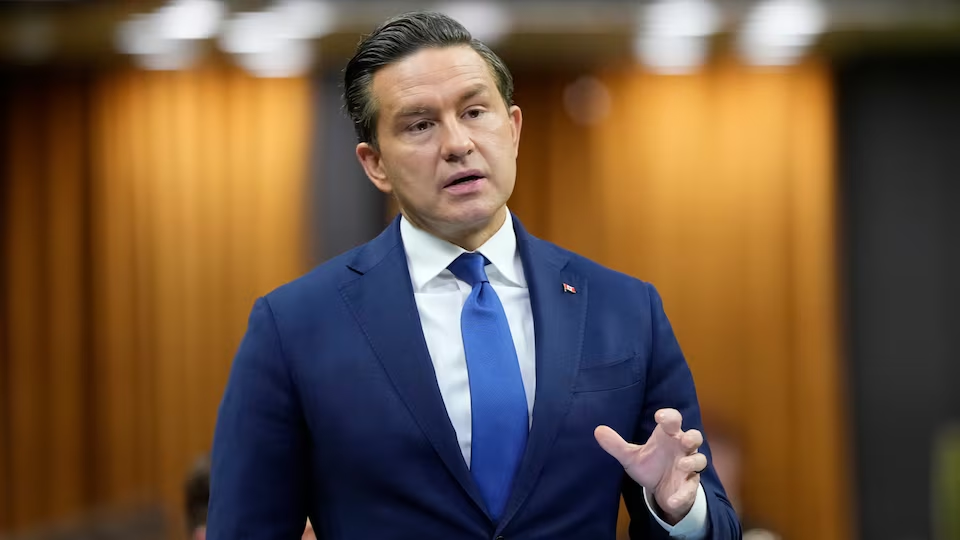
Conservative Leader Pierre Poilievre says he is staying put, despite a bruising set of byelection defeats that deepened concerns about his party’s momentum and handed the Liberals a majority government.
Speaking in the House of Commons, Poilievre rejected any suggestion that he should resign, insisting he will continue to lead the fight against the government in Parliament, across the country, and into the next federal election. The message was direct: setbacks at the ballot box will not push him aside.
The pressure comes after Conservatives suffered significant declines in all three ridings contested this week. In two Toronto-area seats, support dropped by more than 10 percentage points compared with the last federal election. In the closely watched Quebec riding of Terrebonne, Conservative support collapsed dramatically, allowing the Liberals to capture the seat and secure majority status.
For the opposition, the losses matter beyond seat counts. Byelections are often seen as snapshots of party organization, voter enthusiasm, and leadership strength. Political observers note that while local races do not always predict national outcomes, they can expose weaknesses in message discipline, campaign execution, and voter turnout strategy.
Some Conservative voices remain firmly behind Poilievre. MPs publicly defended his leadership, praising his energy, message, and ability to connect with voters frustrated by affordability and economic pressures. The party still holds a large caucus and remains the Official Opposition with 140 seats.
But the results have also intensified internal questions. Analysts and former Conservative strategists argue the party may need to recalibrate its tone and broaden its appeal, especially in urban and suburban ridings where future elections are often decided. With Mark Carney now governing with a majority, the challenge for Poilievre becomes harder: he must hold a stronger government to account while rebuilding momentum at the same time.
The shifting landscape also creates space for other parties. The Avi Lewis-led NDP showed signs of improvement in Ontario, suggesting competition for dissatisfied voters could intensify on multiple fronts.
For Canadians watching from Brampton, Mississauga, and across the country, the immediate reality is clear: Parliament has changed, and so has the pressure on opposition leaders. Poilievre says he is not going anywhere. The next test will be whether voters continue to go with him.