

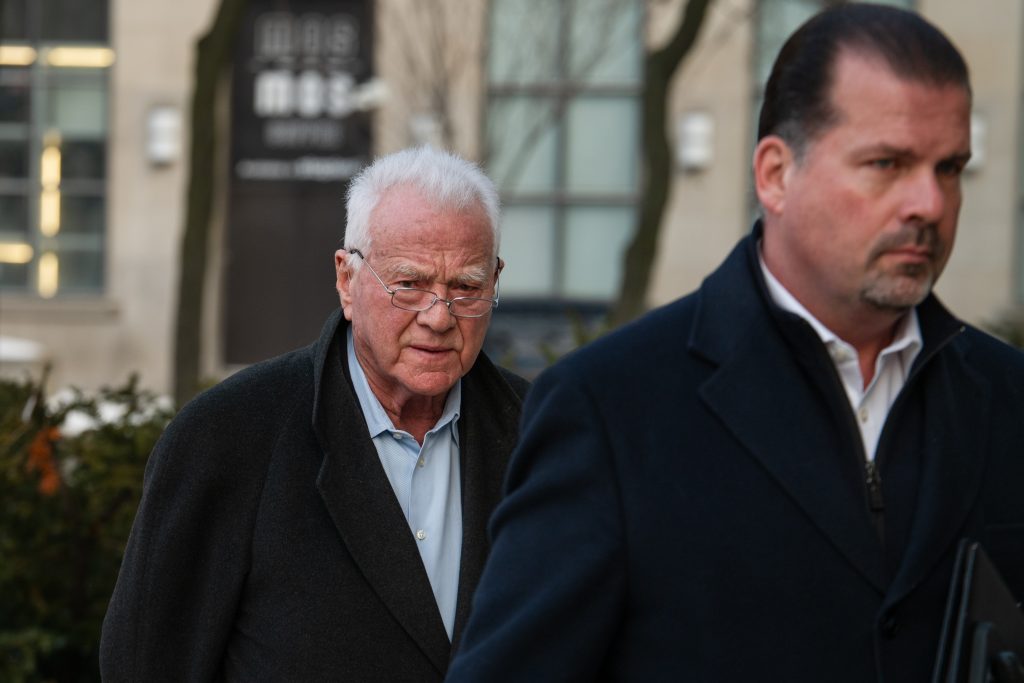
As one of Ontario’s most closely watched trials moves toward a decisive conclusion, the courtroom battle surrounding Frank Stronach has taken a dramatic turn, with defence lawyers alleging serious lapses by police and prosecutors that could shape the final outcome. The case, unfolding in Toronto, has not only gripped legal observers but also sparked wider conversations across communities in Brampton and Mississauga about fairness, accountability, and the integrity of the justice system.
In a forceful closing push, defence counsel argued that key meetings held to prepare complainants ahead of trial were inadequately documented, leaving what they described as critical gaps in evidence. According to the defence, the absence of detailed records makes it impossible to determine how certain testimonies evolved, raising concerns about whether new information emerged naturally or through guided questioning. The argument strikes at the heart of due process, emphasizing the right of the accused to fully challenge the evidence presented against them.
Prosecutors, however, pushed back strongly, maintaining that the defence had ample opportunity to cross-examine complainants and that the law does not require a verbatim account of preparatory discussions. They argued that summaries and the recording of new information meet established legal standards, rejecting claims that any injustice occurred. The Crown’s position reflects long-standing courtroom practices, where not every interaction is formally captured in detail.
Presiding over the case, Justice Anne Molloy acknowledged the complexity of the issues raised, drawing a clear line between evidence that is lost and evidence that was never formally recorded. Her remarks underscored the legal and procedural challenges at play, while also hinting at the broader implications such arguments could have on future cases and investigative practices.
The trial itself has already seen significant developments, with several charges withdrawn or dismissed over the course of proceedings, narrowing the case to a smaller set of allegations. Questions surrounding the reliability of certain testimonies have further complicated the narrative, adding to the weight of the decision now before the court.
Beyond the courtroom, the case resonates deeply within local communities, where trust in the justice system is built on transparency, fairness, and the assurance that both victims and the accused are treated with equal diligence. For many, the outcome will not only determine the fate of one high-profile individual but also influence public confidence in how complex and sensitive cases are handled.
With a verdict expected in June, all eyes remain on the court as it navigates a case that is anything but straightforward. The decision, when it comes, is likely to echo far beyond the courtroom—shaping legal conversations and community perspectives for years to come.