

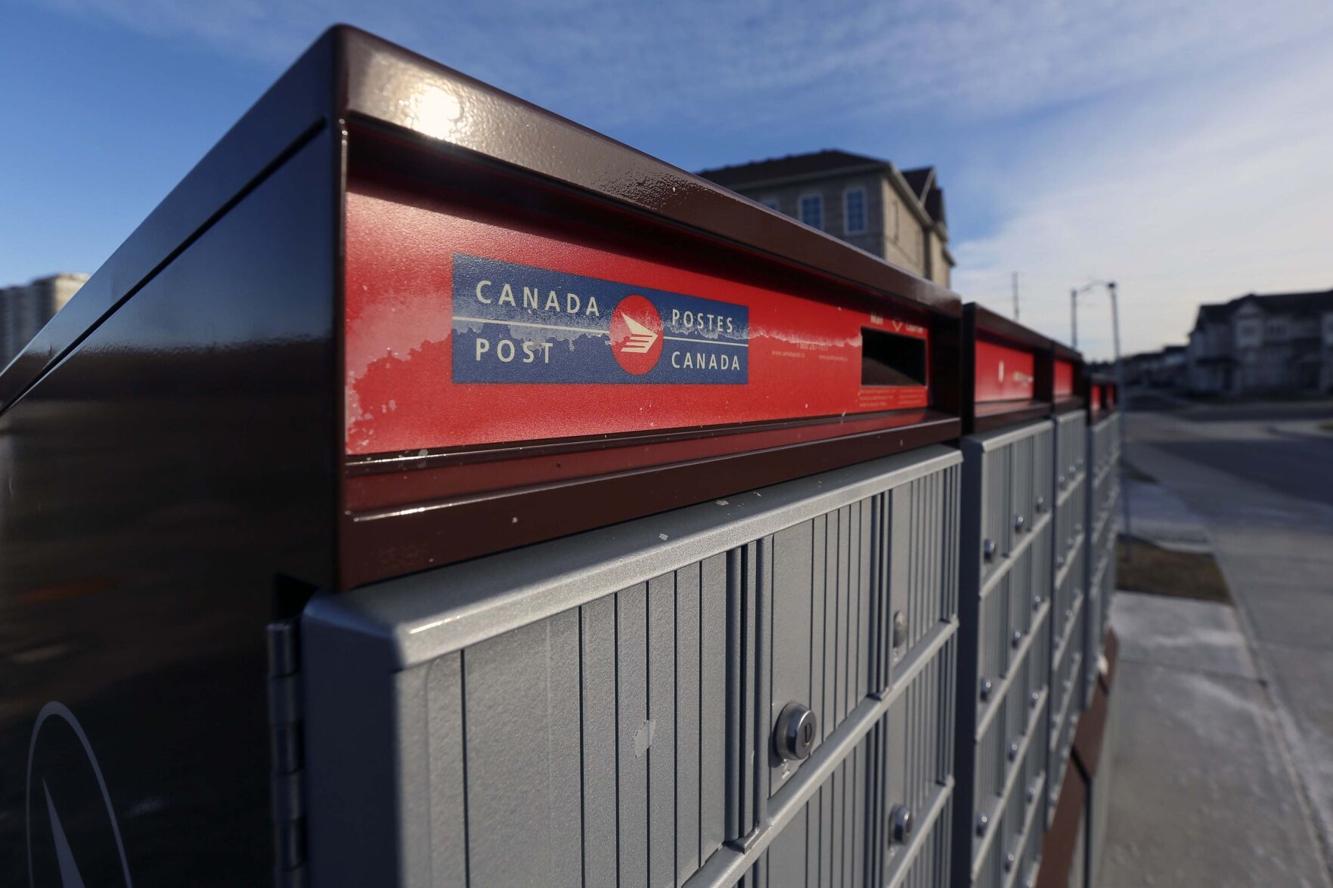
A major shift in how Canadians receive their mail is back on the table, as Canada Post moves forward with plans to phase out door-to-door delivery in favour of community mailboxes—prompting concern from municipal leaders and residents alike.
The move comes as Ottawa gives the green light for sweeping changes aimed at addressing Canada Post’s growing financial losses, reportedly nearing $1 billion annually. The proposed transition would see more neighbourhoods relying on centralized mailbox systems instead of traditional home delivery.
But city leaders are urging caution, stressing that local voices must be part of the process.
Former Denis Coderre, who famously opposed a similar rollout in 2015, says Canada Post cannot succeed without municipal cooperation. He recalled taking drastic action at the time after a community mailbox was installed in a public park without the city’s approval.
“If you don’t have the mayors on your side, nothing will work,” Coderre warned, emphasizing the need for proper consultation and planning.
Concerns are not limited to Montreal. In Toronto, Mayor Olivia Chow has raised questions about accessibility, particularly for seniors and residents in older neighbourhoods who rely on home delivery. City officials say more details are needed before any support can be considered.
There are also worries about public safety and infrastructure. Issues such as traffic congestion, improper parking near mailbox sites, and the suitability of locations—especially in parks or bike lanes—remain top of mind for municipalities.
Labour groups are also pushing back. The Canadian Union of Postal Workers has criticized the lack of transparency, saying thousands of workers have yet to see a clear implementation plan. The union fears the changes could significantly impact jobs and working conditions across the country.
Canada Post says it has learned from past attempts and is committed to a more collaborative approach this time. The organization has begun consultations with unions and plans to engage municipalities before final decisions are made. Officials also noted that exemptions will remain available for residents with mobility challenges who require home delivery.
Experts say the push for change is being driven by urgent financial pressures. Delivering mail to individual homes is significantly more expensive than servicing centralized mailboxes, especially in urban areas where door-to-door delivery still exists for a portion of households.
Still, some academics and policy experts caution that the transition will not be simple. Installing community mailboxes across major cities will require time, planning, and public acceptance—factors that could slow down implementation despite the urgency.
For many Canadians, the debate goes beyond convenience. It touches on accessibility, public service, and the future of a long-standing national institution. As discussions unfold, communities across the country will be watching closely to see how the balance is struck between cost-saving measures and the needs of residents.