

As April approaches, Canadians are facing a series of financial deadlines and rising costs that could further strain household budgets already under pressure from inflation and high living expenses.
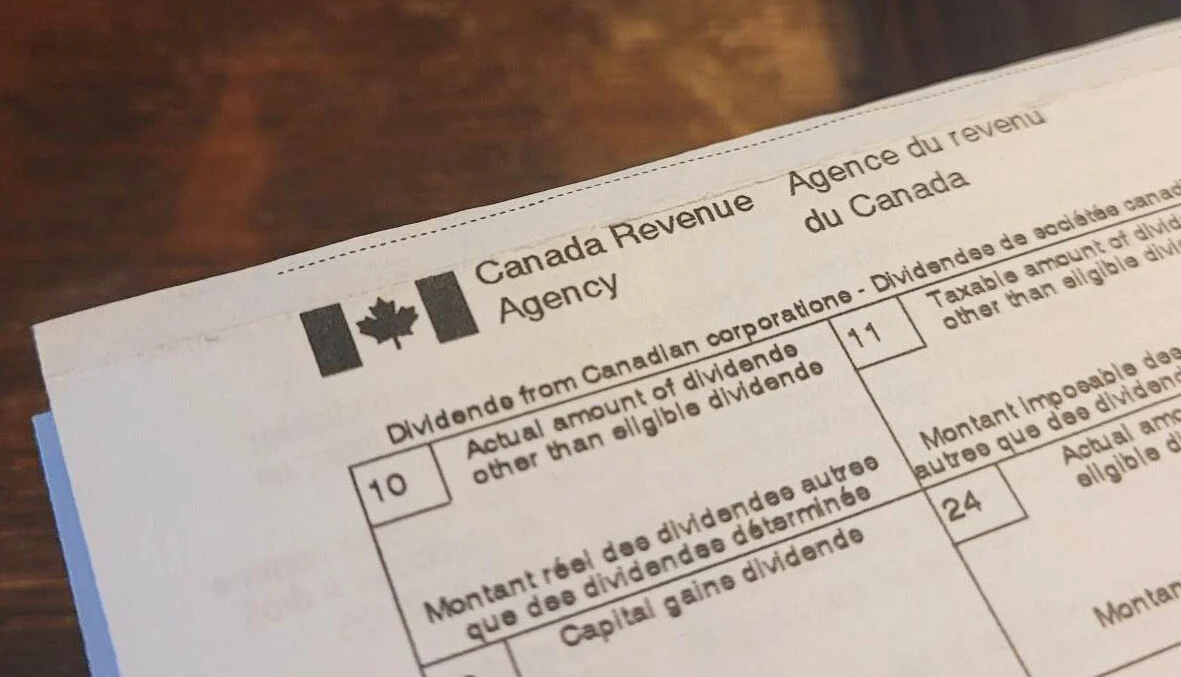
The most significant date to keep in mind is April 30, which remains the deadline for most individuals to file and pay their income taxes. Those who are self-employed, or have a spouse or partner who is self-employed, are granted additional time to file until June 15. However, any taxes owed must still be paid by April 30 to avoid penalties and interest charges.
Alongside tax obligations, several government benefit payments are scheduled throughout the month. Eligible residents can expect the GST/HST credit on April 2, followed by the Ontario Trillium Benefit on April 10. Families receiving the Canada Child Benefit will see their next payment issued on April 20.
At the same time, new cost pressures are emerging that may impact everyday expenses, particularly food prices. Beginning April 1, the federal industrial carbon tax will rise to $110 per tonne of emissions. While the consumer carbon tax was removed in 2025, this increase targeting large industrial emitters could still ripple through the economy. Experts warn that higher energy costs, combined with rising oil prices, may drive up transportation and production expenses, ultimately affecting grocery prices.
Recent data already shows food costs climbing, with grocery prices increasing nearly five per cent year-over-year and overall food inflation exceeding seven per cent earlier this year. Analysts suggest that without intervention, the combined effect of energy costs and carbon pricing could further burden consumers.
Adding to public debate, Members of Parliament are set to receive another automatic salary increase on April 1. Estimates indicate raises could range from approximately $8,800 for backbench MPs to over $17,000 for the prime minister. Critics argue that such increases come at a time when many Canadians are struggling financially and have called on elected officials to forgo the raise.
Consumers may also notice higher prices at liquor stores and restaurants, as federal excise taxes on beer, wine and spirits are scheduled to increase by two per cent starting April 1. Industry groups and taxpayer advocates have voiced concerns, noting that Canada already has some of the highest alcohol taxes among developed countries. They warn that continued tax hikes, combined with rising production costs and tariffs, could lead to increased prices, reduced output and potential job impacts within the industry.
With multiple financial pressures converging at once, April is shaping up to be another challenging month for Canadians trying to manage their expenses, as both government policies and economic conditions continue to influence the cost of everyday living.