

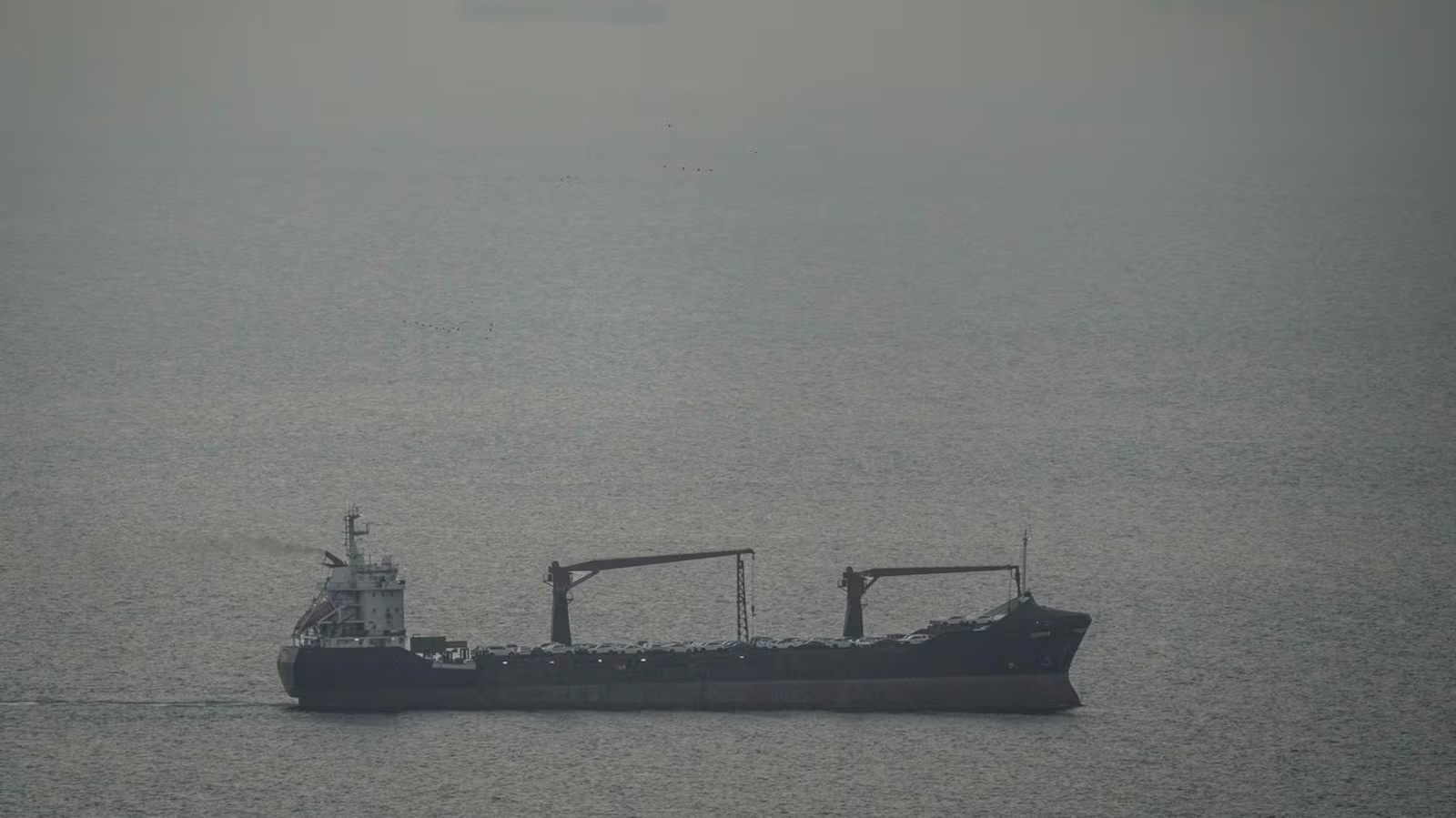
Escalating tensions in the Middle East have raised serious concerns about the United States’ strategic preparedness, as Donald Trump continues to shift his approach to the crisis in the Strait of Hormuz amid ongoing conflict with Iran. The latest developments have drawn criticism from lawmakers and analysts who question whether the administration has a clear plan to manage the unfolding situation.
Over the past week, the U.S. strategy has moved rapidly between diplomatic outreach, economic adjustments, and direct military threats. Initially calling for an international coalition to secure the vital oil transit route, the administration faced reluctance from allies, prompting mixed signals on whether the United States would act alone or withdraw from the effort. Subsequent attempts to stabilize global energy markets included easing certain sanctions on Iranian oil exports, a move aimed at increasing supply but raising questions about its broader geopolitical implications.
The situation intensified when President Trump issued a stark ultimatum to Iran, demanding that the strait be reopened within 48 hours or face potential U.S. strikes on key energy infrastructure, including power plants. The warning marked a significant escalation, shifting the focus from military targets to civilian-linked infrastructure that supports essential services such as hospitals and residential power supply.
The threat has triggered strong reactions domestically and internationally. U.S. lawmakers, including Senator Ed Markey and Senator Chris Murphy, criticized the approach as reckless and lacking strategic clarity, with some warning that targeting civilian infrastructure could constitute a violation of international law. Legal experts have echoed these concerns, suggesting that such actions would face intense scrutiny under the laws of armed conflict, which require a clear distinction between military and civilian targets.
Iran has responded sharply, warning through diplomatic channels at the United Nations that any deliberate targeting of civilian infrastructure would be considered a war crime and could lead to full closure of the Strait of Hormuz, a move that would have severe global economic consequences. The strait remains one of the most critical chokepoints for global oil and gas transportation, and disruptions have already contributed to rising energy prices and increased volatility in international markets.
Officials within the administration have defended the president’s stance as a necessary show of strength aimed at deterring further escalation. U.S. representatives have argued that elements of Iran’s infrastructure are closely tied to its military operations, while allies such as NATO leadership have sought to temper tensions by emphasizing ongoing international cooperation to restore stability in the region.
However, critics argue that the rapid shifts in policy reflect a reactive rather than strategic approach, raising broader questions about the United States’ readiness for sustained conflict and its ability to manage complex geopolitical crises. As the deadline set by the administration approaches, global attention remains fixed on whether diplomacy, deterrence, or further escalation will define the next phase of the conflict.