

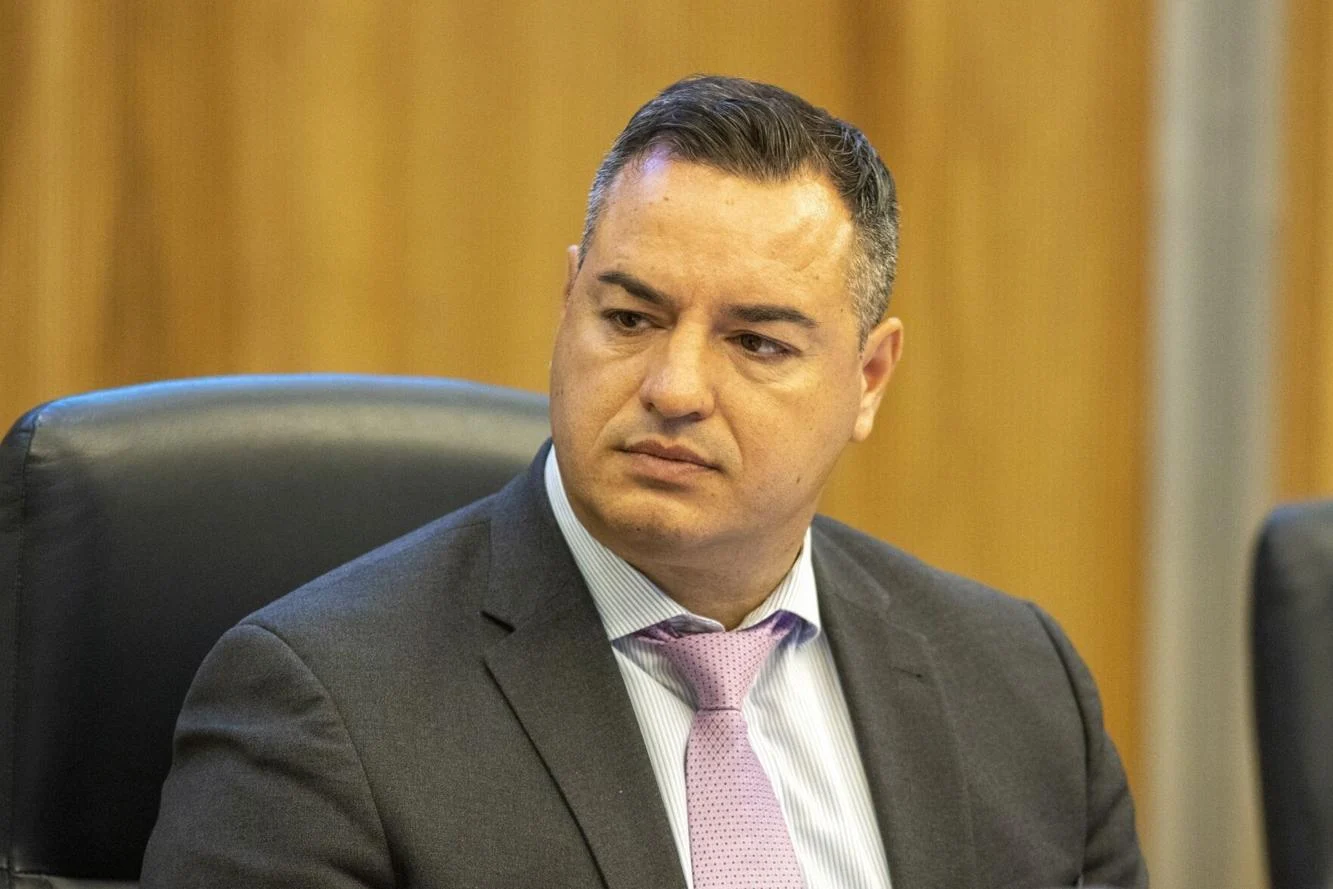
A Brampton city councillor is raising concerns that official population figures significantly understate how many people actually live in the city, worsening Brampton’s financial pressures and straining public services.
Coun. Martin Medeiros told council that while Statistics Canada reported Brampton’s population surpassed 800,000 in early 2025, the real number could be far higher due to widespread illegal rental units and rooming houses.
City estimates previously cited by Mayor Patrick Brown suggest as many as 100,000 additional residents may be living in unregistered housing, using municipal services without being reflected in census data or contributing proportionately to the tax base.
“When we present the budget, we don’t talk enough about the population we provide services for but don’t receive funding for,” Medeiros said during a recent budget meeting. “We don’t turn people away — whether they’re captured in the census or not — and that has a real impact on recreation, staffing, transit and other services.”
Brampton has been among Canada’s fastest-growing cities, surpassing Mississauga in population to become the country’s seventh-largest city, yet councillors say provincial and federal funding formulas fail to reflect the city’s true service demands.
City staff echoed the concern, noting that property taxes are tied to housing units, not the number of occupants, meaning overcrowded homes generate the same revenue while consuming far more services. Compounding the issue, population-based funding from senior governments is also reduced when census counts fall short.
The funding gap comes as Brampton faces multiple fiscal challenges, including a $26-million drop in transit revenue, economic uncertainty linked to U.S. trade tensions, and growing pressure on social and community services across Peel Region.
Advocacy groups estimate Peel Region municipalities are underfunded by hundreds of millions of dollars annually, leaving local taxpayers to absorb the shortfall as service demands continue to rise.