

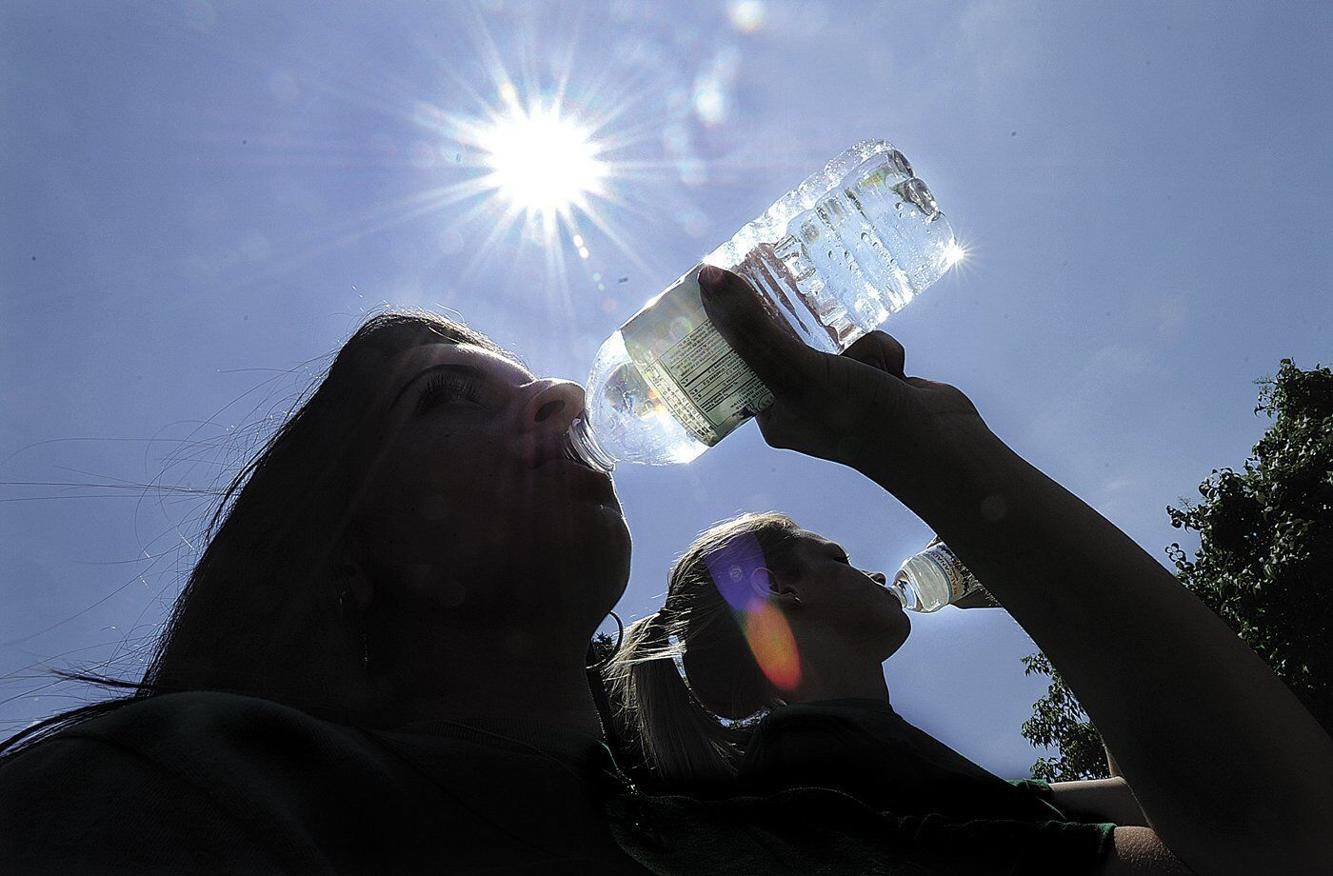
While Ontario braces for extreme cold this winter, climate experts warn that 2026 is shaping up to be one of the hottest years ever recorded. Environment and Climate Change Canada (ECCC) says global temperatures next year are likely to rank among the top four hottest on record, continuing a worrying trend driven by climate change.
Scientists note that recent record-breaking heat has been fuelled by a strong El Niño event combined with long-term human-caused global warming. Although Canada is currently experiencing a weak La Niña — often associated with colder winter conditions — this cooling effect is expected to fade as the year progresses, with the possibility of another El Niño emerging later in 2026 or 2027.
ECCC forecasts suggest there is more than a 99 per cent chance that 2026 will be hotter than any year recorded before 2023, with Canada warming at more than twice the global average. Northern regions are heating up even faster, increasing the risk of extreme heat waves, wildfires and prolonged dry conditions similar to those seen last summer.
Despite a slim chance that 2026 could surpass 2024’s record-breaking heat, scientists warn the bigger picture is alarming: the period from 2026 to 2030 is expected to be the hottest five-year stretch on record. This trend puts global climate targets at risk, with experts estimating a 12 per cent chance of exceeding the Paris Agreement’s 1.5 C threshold — a reminder that even during deep freezes, the planet as a whole continues to warm.