

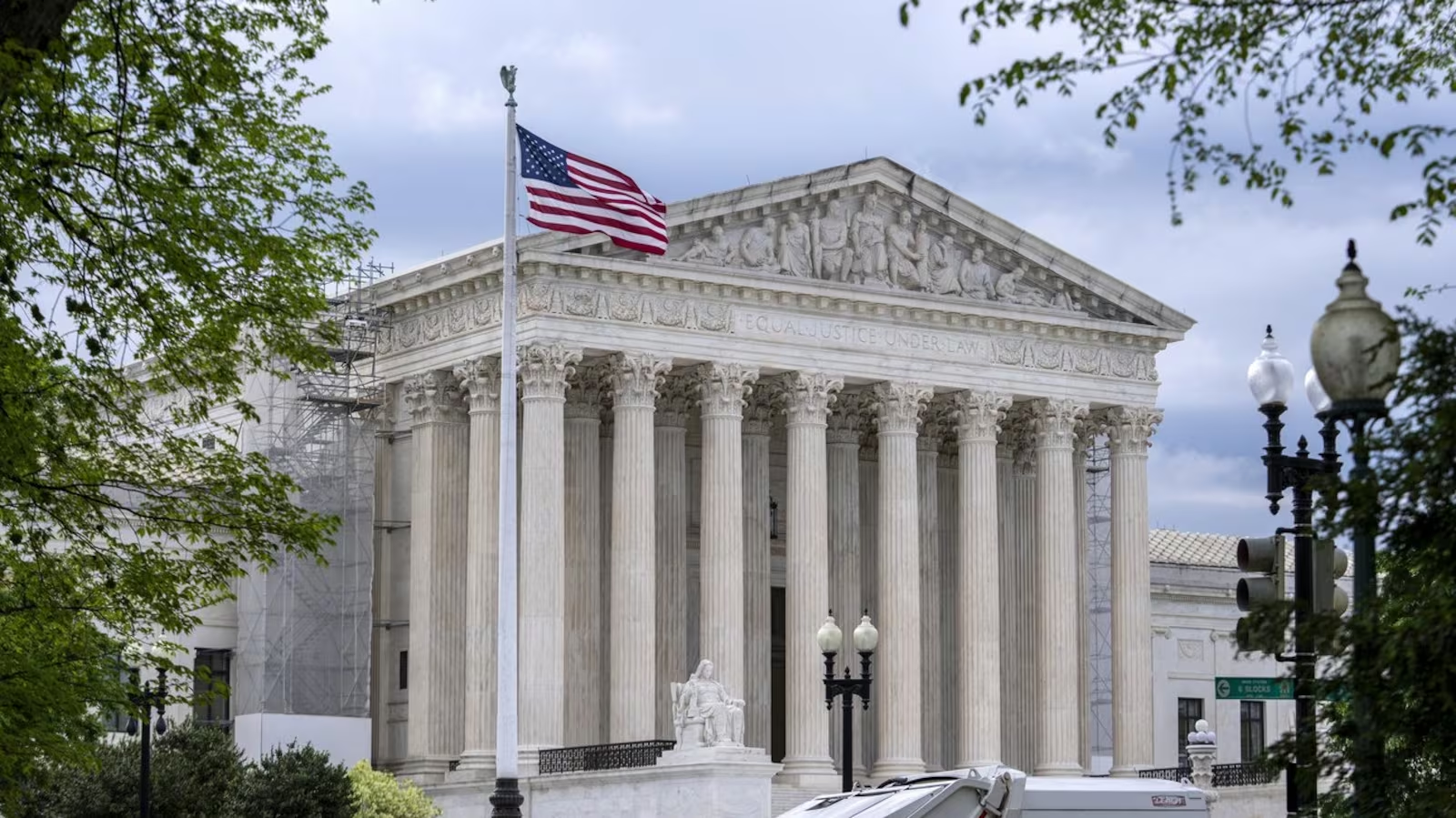
OTTAWA / WASHINGTON — Anticipation is growing in Canada as trade experts await a ruling from the U.S. Supreme Court on the legality of sweeping global tariffs imposed by U.S. President Donald Trump under emergency powers, a decision that could have significant economic and legal implications for both countries.
The ruling, which could be released as early as Friday, will determine whether the Trump administration lawfully used the International Emergency Economic Powers Act (IEEPA) to impose tariffs without congressional approval. The statute, enacted in 1977, has traditionally been used to impose sanctions or freeze assets, not to levy broad-based trade duties.
Canadian trade lawyers and economists say a decision striking down the tariffs would send a strong signal to Washington and potentially curb the administration’s ability to unilaterally impose similar measures in the future. It would also mean the immediate removal of tariffs applied to Canada during the early stages of the trade dispute, particularly affecting sectors not protected under the Canada-United States-Mexico Agreement (CUSMA).
While most Canada–U.S. trade remains CUSMA-compliant, experts note that a favourable ruling for challengers would still deliver a net positive impact for the Canadian economy. However, they caution that the United States retains other legal tools to impose trade barriers, meaning tariff uncertainty may persist.
A ruling against the Trump administration could also trigger what analysts describe as a massive and complex refund process. Estimates suggest up to US$150 billion in tariffs worldwide may have been collected under the disputed authority, raising the prospect of prolonged administrative battles as companies seek reimbursement. Experts warn that while manufacturers might eventually recover some costs, consumers are unlikely to see direct refunds.
President Trump has publicly urged the court to uphold his tariff authority, arguing that the measures have strengthened U.S. markets. Legal observers note, however, that justices across the ideological spectrum expressed skepticism during earlier hearings about whether IEEPA permits such expansive use.
The pending decision comes as Canada’s exports to the United States have dipped to their lowest level outside the pandemic period, while shipments to non-U.S. markets have surged, reflecting early signs of trade diversification by Canadian firms.
Meanwhile, Canada is preparing for the scheduled review of CUSMA later this year. Federal officials say Ottawa will allow the U.S. judicial process to run its course while continuing preparations for upcoming trade negotiations.
Regardless of the outcome, experts agree the Supreme Court’s ruling will be a landmark moment, shaping the future use of emergency economic powers in the United States and influencing the trajectory of North American trade relations in the years ahead.