

WASHINGTON — In a rare bipartisan break with Republican leadership, the U.S. House of Representatives has passed legislation to extend expired health care subsidies under the Affordable Care Act (ACA), delivering a significant victory for supporters of expanded health coverage and setting up a new political test in the Senate.
The bill cleared the House by a vote of 230–196 after a group of Republican lawmakers joined Democrats to force the measure to the floor through a discharge petition, bypassing objections from House Speaker Mike Johnson. The move marked an unusual loss of control for GOP leadership over the House agenda.
The legislation would provide a three-year extension of enhanced tax credits that help millions of Americans afford health insurance through the ACA marketplaces. These subsidies were introduced during the COVID-19 pandemic and expired late last year after Congress failed to reach an agreement during the government shutdown.
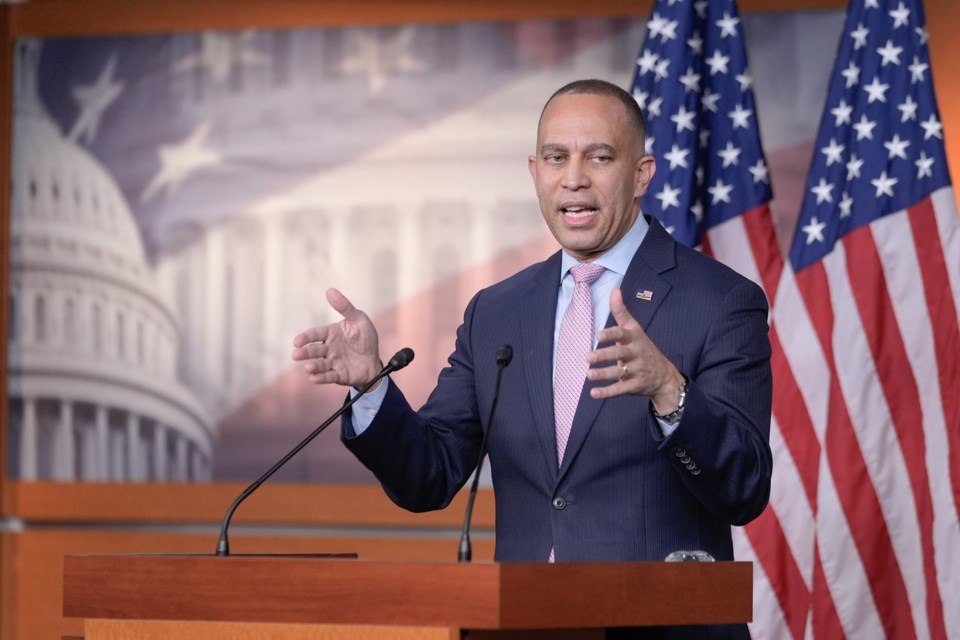
House Democratic Leader Hakeem Jeffries welcomed the vote, framing it as a response to rising affordability pressures faced by families. He said the House action represents a meaningful step toward preventing further loss of health coverage.
According to estimates from the Congressional Budget Office, the bill would increase the federal deficit by approximately $80.6 billion over ten years but would significantly reduce the number of uninsured Americans. The CBO projects the measure would expand coverage by about 100,000 people this year, rising to several million more by the end of the decade.
Republican leaders opposed the bill, arguing that the subsidies contribute to fraud and disproportionately benefit a small share of the population. GOP lawmakers also said Congress should focus on lowering overall health care costs rather than extending targeted assistance tied to the ACA.
Despite House passage, the bill faces an uncertain path in the Senate. A bipartisan group of senators is working on an alternative proposal that would include income limits, anti-fraud measures and potential expansions of health savings accounts. Senate leaders have indicated that any final package would need broader fiscal guardrails to secure Republican support.
The House vote underscores growing political pressure around health care affordability as insurance premiums rise and election season approaches. It also highlights renewed divisions within the Republican caucus over how to address health care — an issue that has repeatedly challenged GOP unity since the Affordable Care Act became law.
The bill now moves to the Senate, where negotiations will determine whether Congress can reach a compromise to restore subsidies and prevent further coverage losses for millions of Americans.