

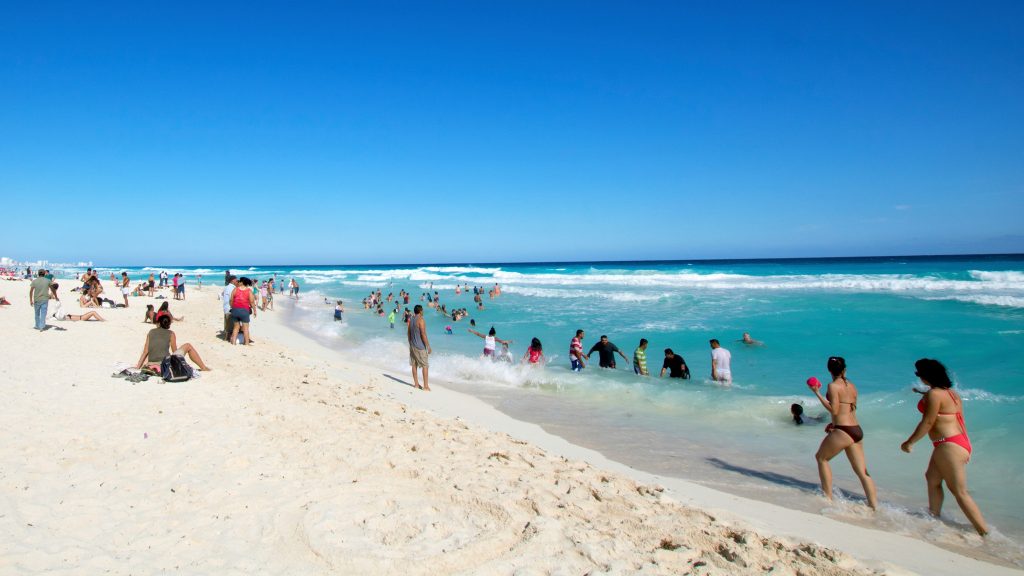
As winter deepens and many Canadians look to escape the cold, the federal government is urging travellers to review the latest safety warnings for several popular warm-weather destinations.
Through its Travel Advice and Advisories program, the Government of Canada monitors global events, crime trends, and security incidents that may affect Canadians abroad. The advisories are designed to help travellers make informed decisions and reduce risks while overseas.
Here are five popular beach destinations currently subject to Canadian travel advisories:
Brazil
Risk: High crime rates, including violent and gang-related activity
Canadian officials warn that robberies—often involving weapons such as guns or knives—are common in Brazil’s major cities. Thieves frequently target people perceived as wealthy, including those using smartphones or laptops.
Crime can occur anywhere, including tourist hotspots in Rio de Janeiro such as Copacabana Beach, Lapa, and Santa Teresa. Drive-by thefts by armed motorcyclists are reported regularly in cities including São Paulo and Porto Alegre. Petty crimes such as pickpocketing, purse snatching, and car theft are widespread in urban areas.
Turks and Caicos Islands
Risk: Crime
Crime occurs throughout the Turks and Caicos Islands but is most common on Providenciales, the most populated island. Incidents include pickpocketing, bag snatching, muggings, and theft from homes, vehicles, and beaches.
The advisory urges travellers to secure passports and valuables, avoid leaving belongings unattended—especially on beaches—and exercise caution when using ATMs, particularly at night. Canadians are also advised to avoid unlicensed taxis, known locally as “jitneys,” as some drivers have been linked to sexual assaults.
The Bahamas
Risk: High crime rates, especially in Nassau and Freeport
Petty crime occurs in tourist areas, while armed robberies have been reported at cruise ship terminals and near resorts, even during daylight hours. Crime tends to increase during holidays, festivals, and regattas.
The advisory also notes a rise in break-ins and theft. Travellers are warned not to exit their vehicles to remove obstacles from roads, as this tactic has been used in robberies and carjackings. Canadians are encouraged to stay in tourist areas, avoid isolated beaches at night, keep doors locked, and avoid resisting if confronted by armed criminals.
Jamaica
Risk: High level of violent crime outside resort areas
While violent crime has declined in recent years, it remains a concern, particularly in parts of Kingston and Montego Bay. Petty crime also occurs in tourist zones and crowded areas.
Tourists are frequently targeted by lottery scams, in which victims are told they have won a prize but must pay fees to claim it. Canadian officials advise never sending money or travelling to Jamaica to collect a supposed prize.
Mexico
Risk: High levels of criminal activity and kidnapping
Violent crime remains widespread across Mexico, with particular risks in border regions and areas affected by organized crime. Petty theft is common in airports, bus terminals, public transportation, and busy tourist areas.
Armed robberies occur frequently, and criminals sometimes follow victims after they withdraw or exchange money. The advisory warns that confrontations between criminal groups and security forces can lead to sudden shootouts or illegal roadblocks, particularly near border areas with the United States and Guatemala.
Canada’s travel advisory website now includes interactive maps highlighting regions of higher concern within specific countries.
Travellers are encouraged to review the full list of advisories and safety guidance before booking or departing, and to remain vigilant while abroad, particularly in high-traffic tourist destinations.